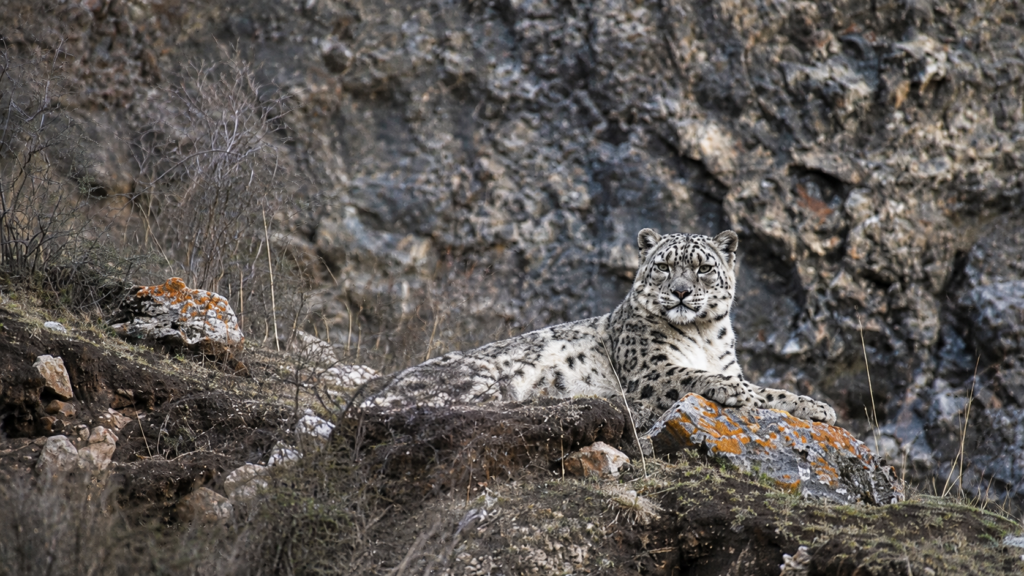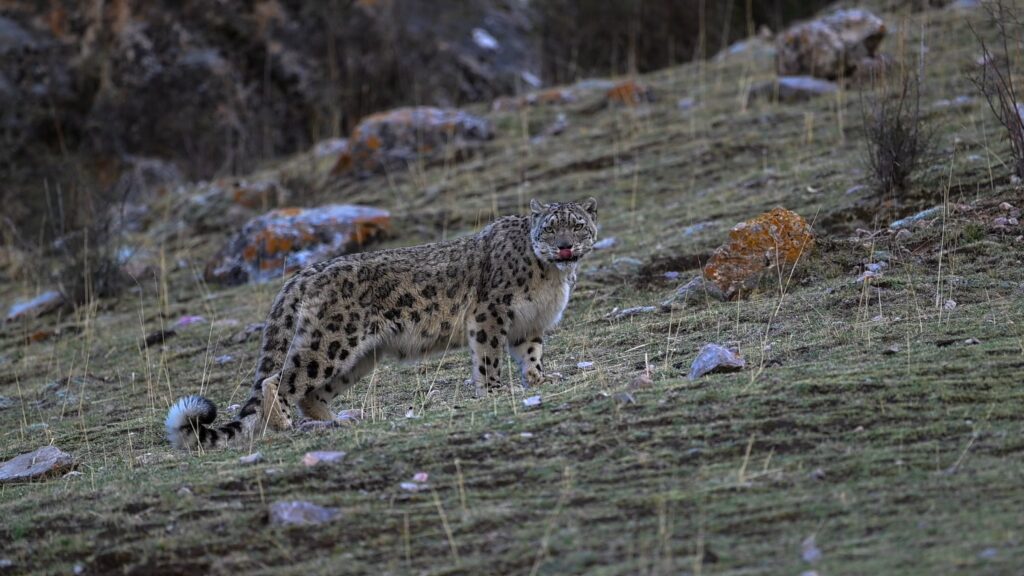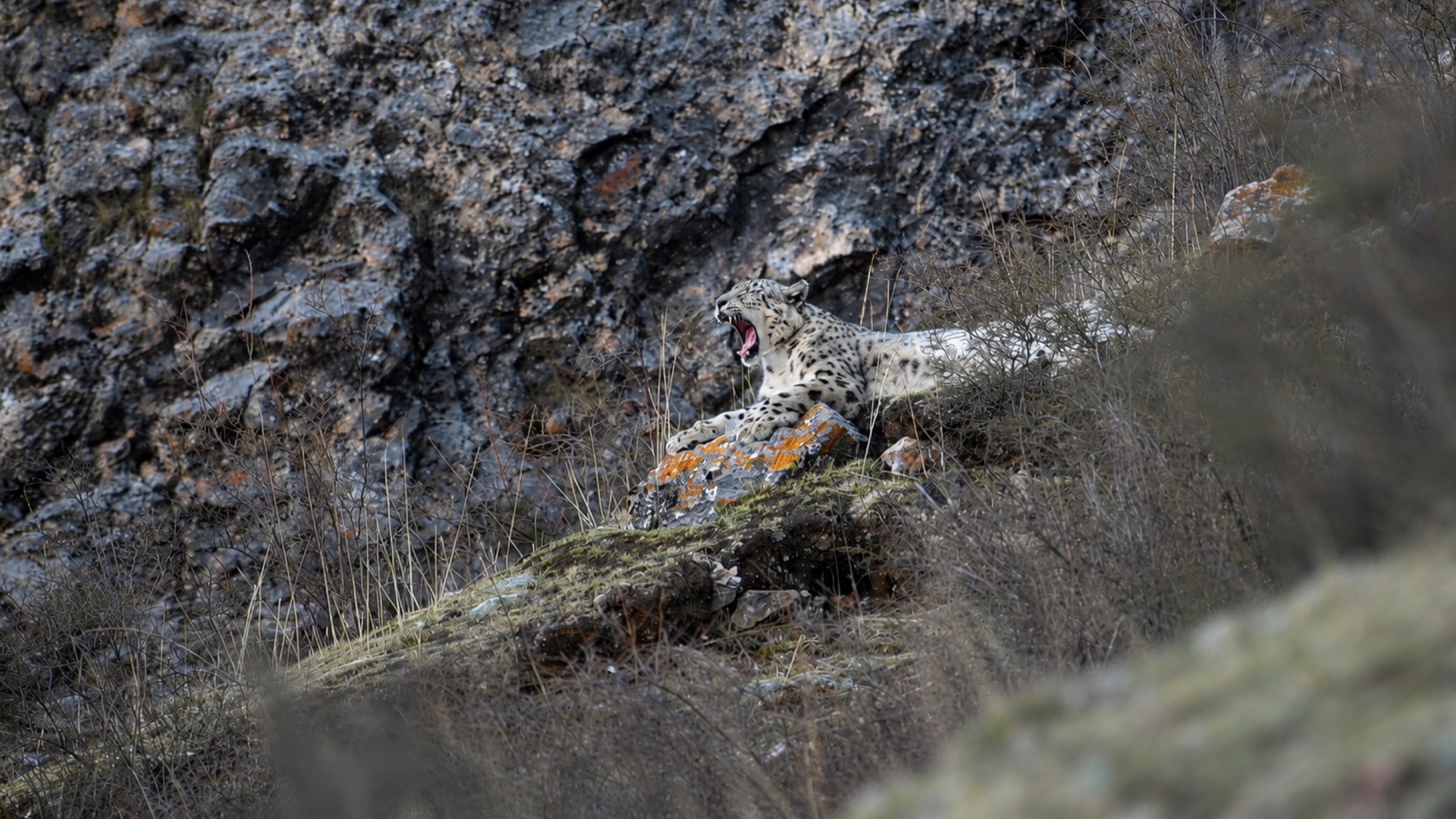
A day in the field can begin beside a road or at the edge of a valley. A local guide sets up a spotting scope and works slowly along the rock bands. At first the slope appears empty. After a while, a few shapes resolve into blue sheep. A snow leopard might cross the same slope later in the day, far enough away that you need the scope to follow it. Some days pass without a sighting.
Why Qinghai is a place to look for snow leopards in China
China is home to the world’s largest wild snow leopard population. In October 2026, China’s National Forestry and Grassland Administration reported that the national population had roughly doubled since 2013, from about 2,500 to about 5,000. Qinghai is an important part of that range, and the Sanjiangyuan region holds extensive connected habitat. In the field, even a guide who knows the valley well may spend hours checking the same stretch of hillside.

What else you may see while you wait
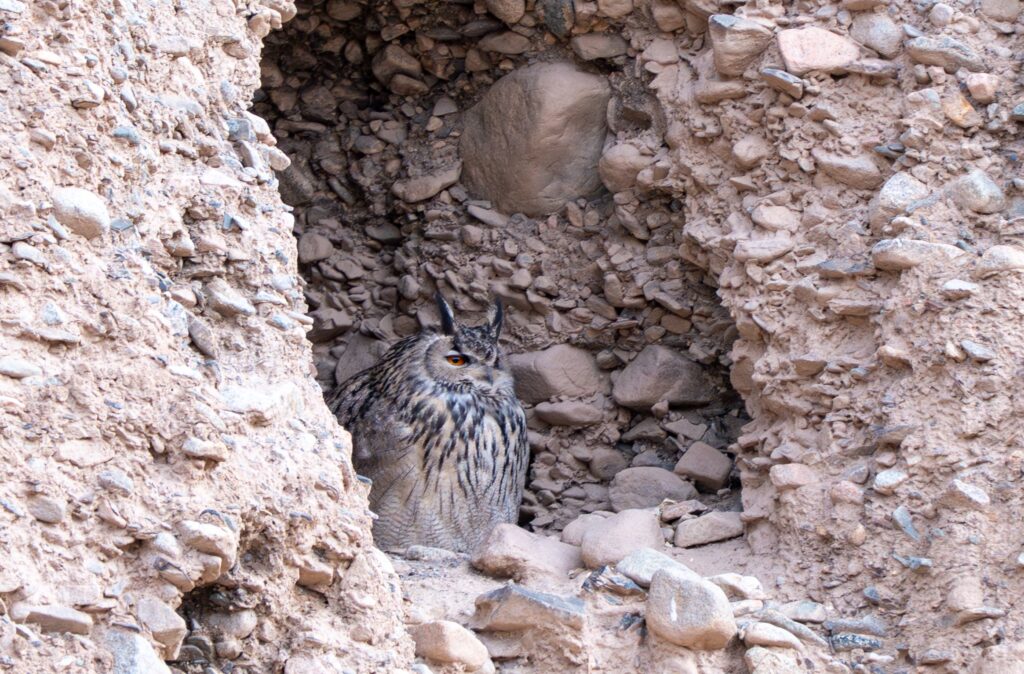
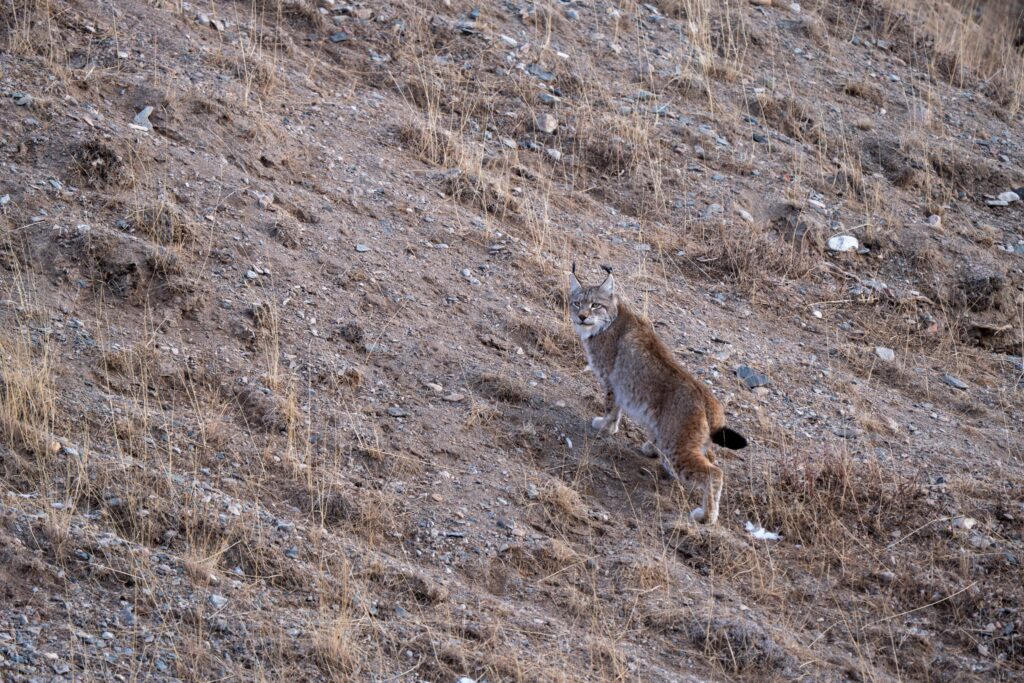
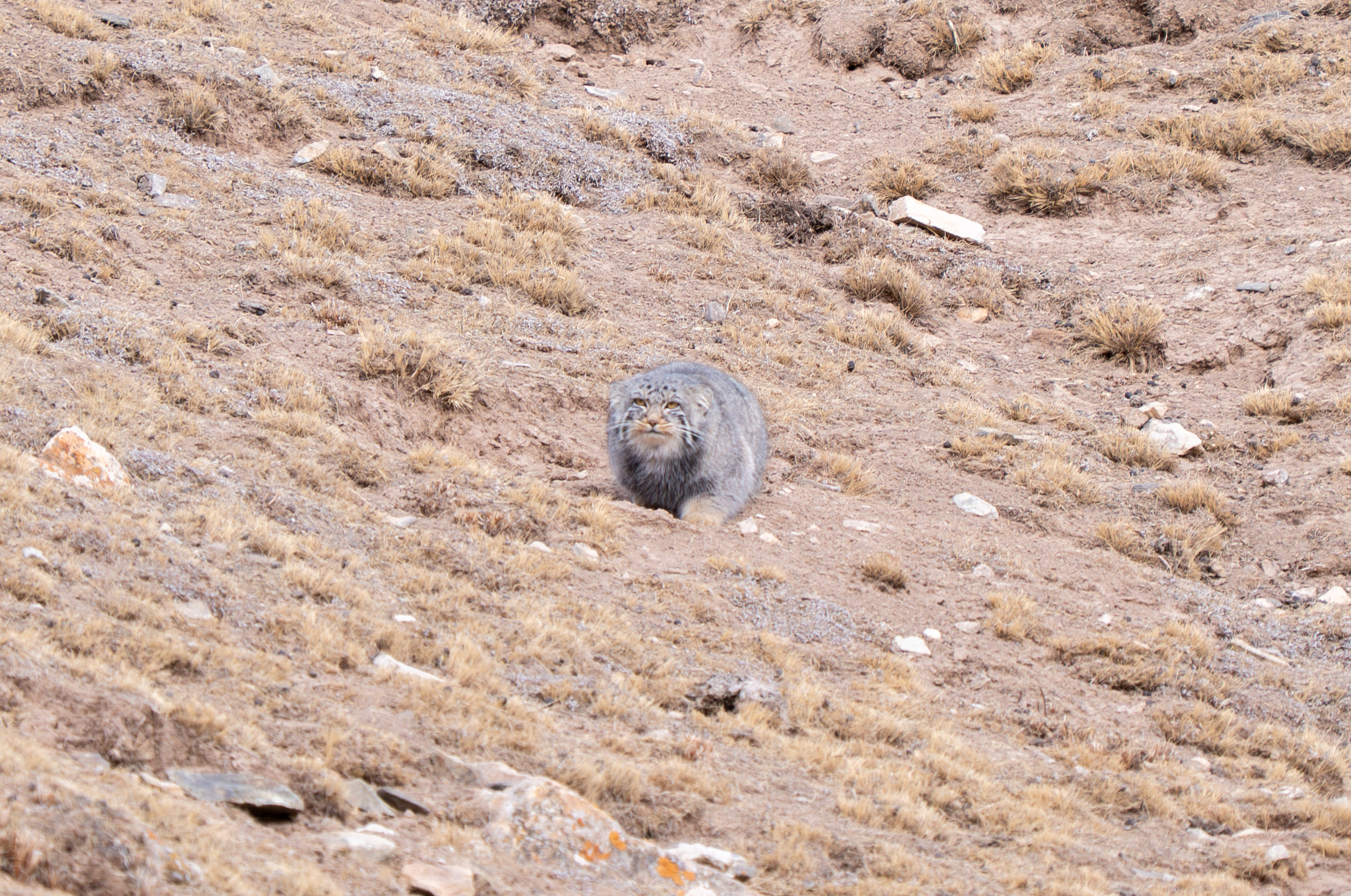
Blue sheep are important prey for snow leopards, and you may find them on the same slopes you are scanning for cats. Wolves sometimes cross open valleys. Where pikas are plentiful, a Tibetan fox may stand almost motionless before pouncing, or a Pallas’s cat may wait beside a burrow. A snow leopard sighting can be over in seconds, while watching a fox hunt might hold your attention for much longer.
The people who share these valleys
The valleys where we look for snow leopards are also places where people keep livestock and raise families. A guide who knows which cliffs the blue sheep use may also know when herders bring their animals onto the surrounding slopes. Spending time together in the field gives those conversations a place to start. Around Xiangride, we share a simple lunch with a local family during our five-day Qinghai search. On the twelve-day Qinghai expedition, time in Yushu offers a chance to learn about Kham Tibetan traditions and visit a monastery or cultural site when open.
How much time to spend in the field
If you are choosing a snow leopard tour in China primarily to see the animal, we can set aside dedicated search days and leave time to take in the plateau scenery, visit a monastery, or have a meal with a local family. How we divide that time depends on what you want to get out of the trip.
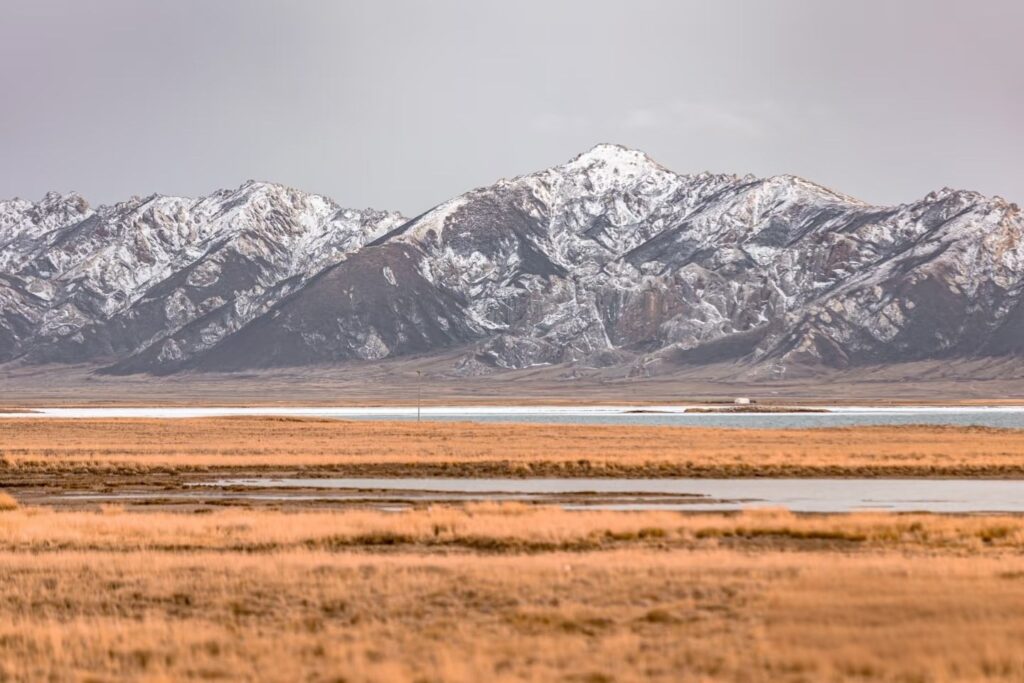
For professional wildlife photographers, it often makes sense to spend longer at a single viewpoint or return to the same valley over several days. An animal may be visible through a scope long before it moves into a position you can photograph. The extra time lets you wait for the animal and the light.
A snow leopard may be the reason you travel to Qinghai. After a few days, you may also find yourself watching where the blue sheep go, asking your guide about the families who graze livestock nearby, and recognising the stretch of ridge you have been looking at all week.