China Guides

Wolong Panda Volunteer Guide: What You Really Do in One Day

Giant panda moving through sunlit forest in Wolong, Sichuan, China.
THE STORY

A Wolong panda volunteer experience begins early and ends with a clearer understanding of how giant pandas are cared for and protected.

Most days start at around 7:00 AM with a drive from Chengdu to Wolong. The journey takes about two hours, gradually leaving the city behind for the mountains and forests associated with giant panda habitat.

Why choose Wolong?

Wolong offers a stronger connection to the natural environment of the giant panda. For travelers looking for a panda volunteer China experience, the setting provides more context than a short visit to a city attraction. The landscape helps explain why habitat protection is central to panda conservation.
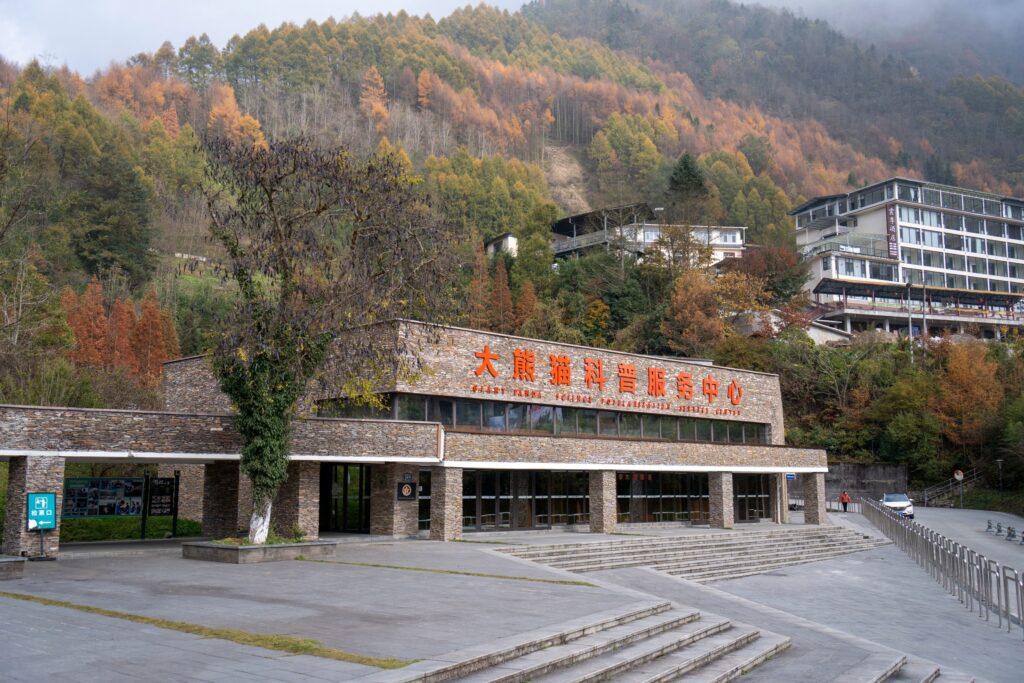

The Giant Panda Science Popularization Center surrounded by autumn forest in Wolong, Sichuan, China.
(Wolong Giant Panda Base)
Giant panda moving through sunlit forest in Wolong, Sichuan, China.
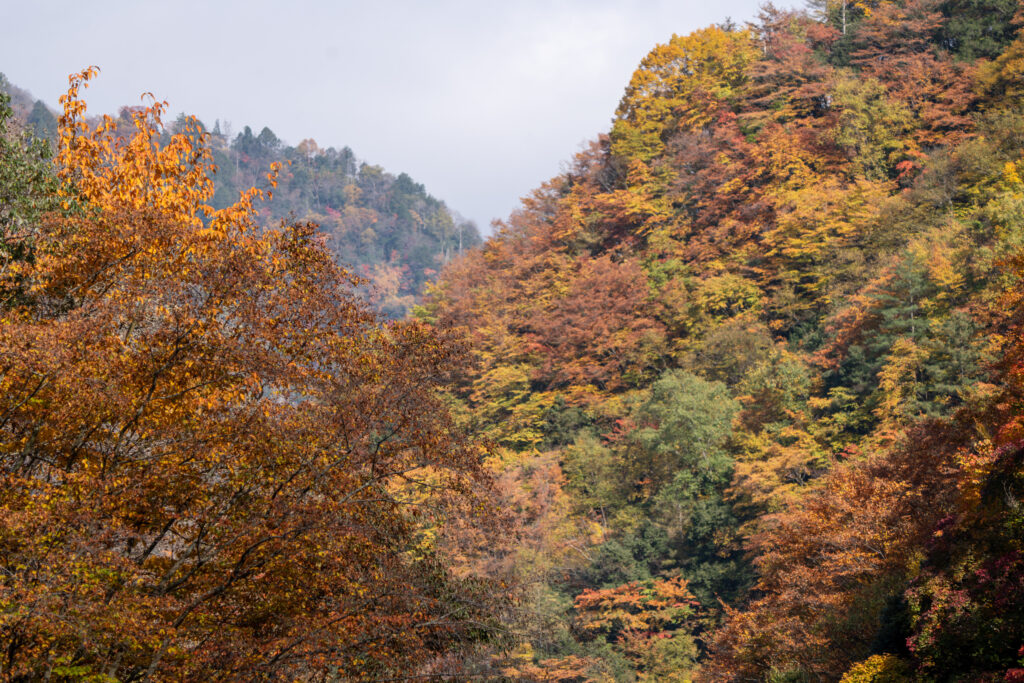
Autumn forest landscape in Wolong with misty mountain slopes and colorful foliage

Visit the giant pandas

After arriving, the group usually begins by visiting the giant pandas. This first viewing introduces their daily rhythm, from eating bamboo to resting and moving around their enclosure. The timing remains flexible because the programme follows the day’s arrangements and the pandas’ condition.
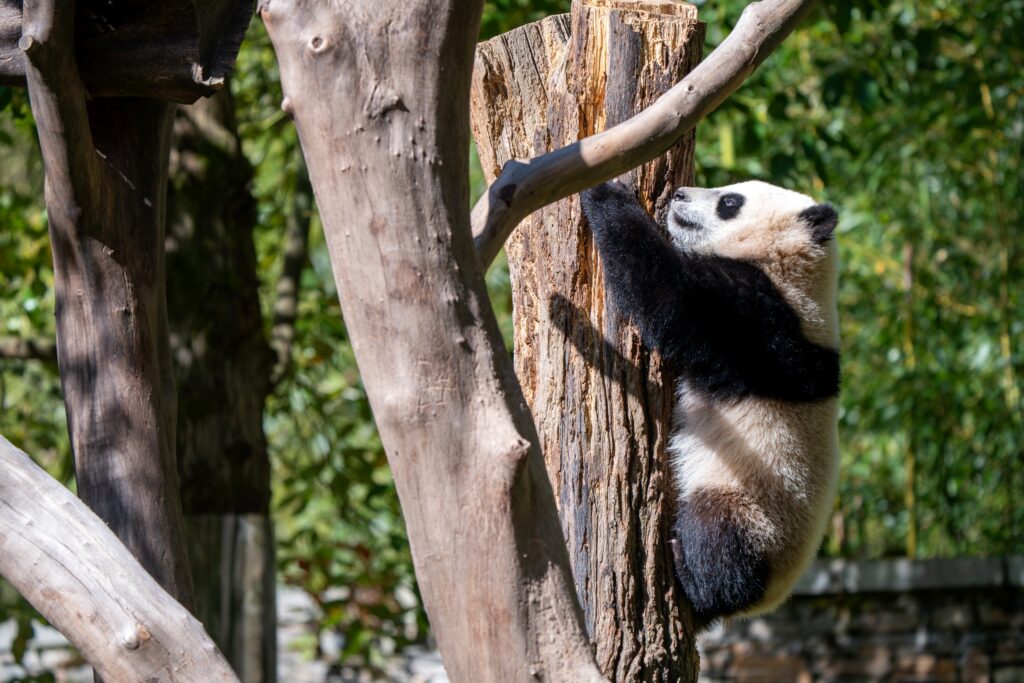
Giant panda climbing a tree in Wolong, Sichuan, China.
(Baby Panda climbing a tree)
Close-up portrait of a giant panda at Wolong, Sichuan, China.
(Panda looking at you)

Learn from the keepers

At the arranged time, volunteers enter the inner area with the keepers. The focus is on observing how pandas are fed, learning about their habits and understanding the methods used at the base to care for them.

Volunteers taking part in a giant panda conservation activity in Wolong, Sichuan, China.

Prepare bamboo and learn about field tracking

Volunteers help prepare bamboo by breaking the stalks, gaining a practical sense of the work behind each feeding session. They also learn how researchers track pandas in the wild. Because wild pandas are difficult to observe directly, signs such as droppings can provide valuable information about their diet, movement and condition.

A panda volunteer team taking part in conservation work in Wolong, Sichuan, China.
(Waiting for break the bamboo)
Volunteers preparing bamboo and maintaining a giant panda habitat in Wolong, Sichuan, China.

Afternoon activities

After lunch and a short rest, the afternoon continues with a practical activity. Depending on the day’s arrangement, volunteers may cut bamboo leaves to prepare food for older pandas, make a panda-themed souvenir fan or take part in a food-making session.

The group may prepare panda cakes and wotou, a supplementary food used in panda care. Bamboo remains the main part of a giant panda’s diet, while wotou can provide additional energy and nutrients according to an individual panda’s needs.

Volunteers working in a Wolong giant panda habitat in Sichuan, China.
(cut the bamboo leaves)
Panda volunteers holding handmade panda-shaped cakes in Wolong, Sichuan, China.
(prepare the panda cake)
Handmade panda-shaped cakes prepared during a Wolong volunteer activity.
A volunteer sketching a giant panda conservation illustration in Wolong, Sichuan, China.

Documentary and volunteer certificate

The day usually closes with a giant panda documentary, bringing together the subjects covered during the experience, including habitat, feeding, field tracking and conservation. Participants then receive a volunteer certificate as a record of the day.
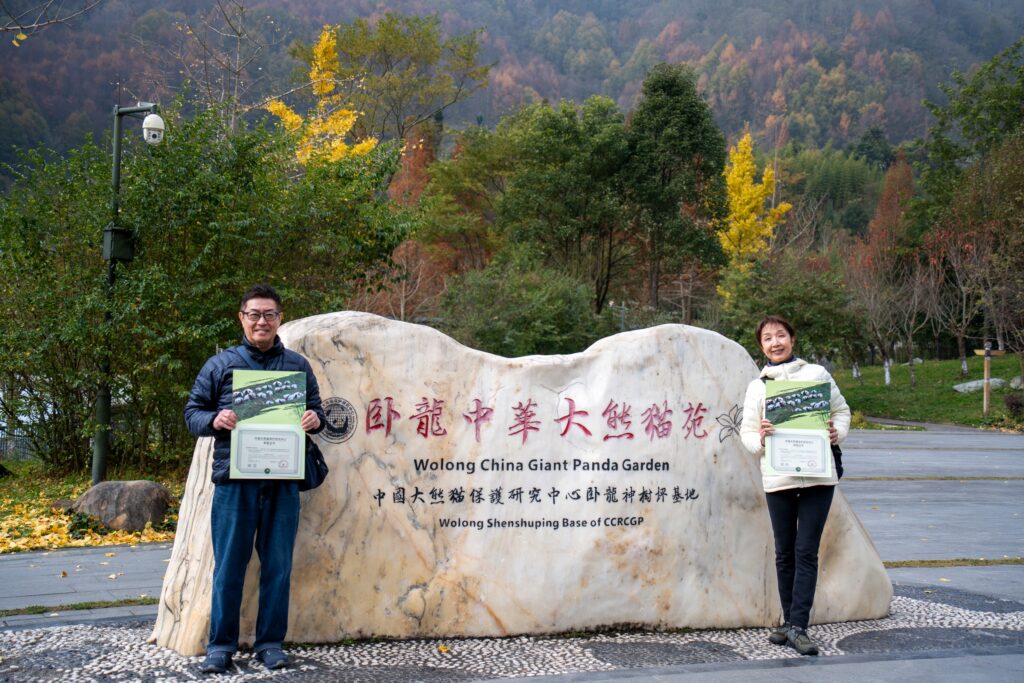
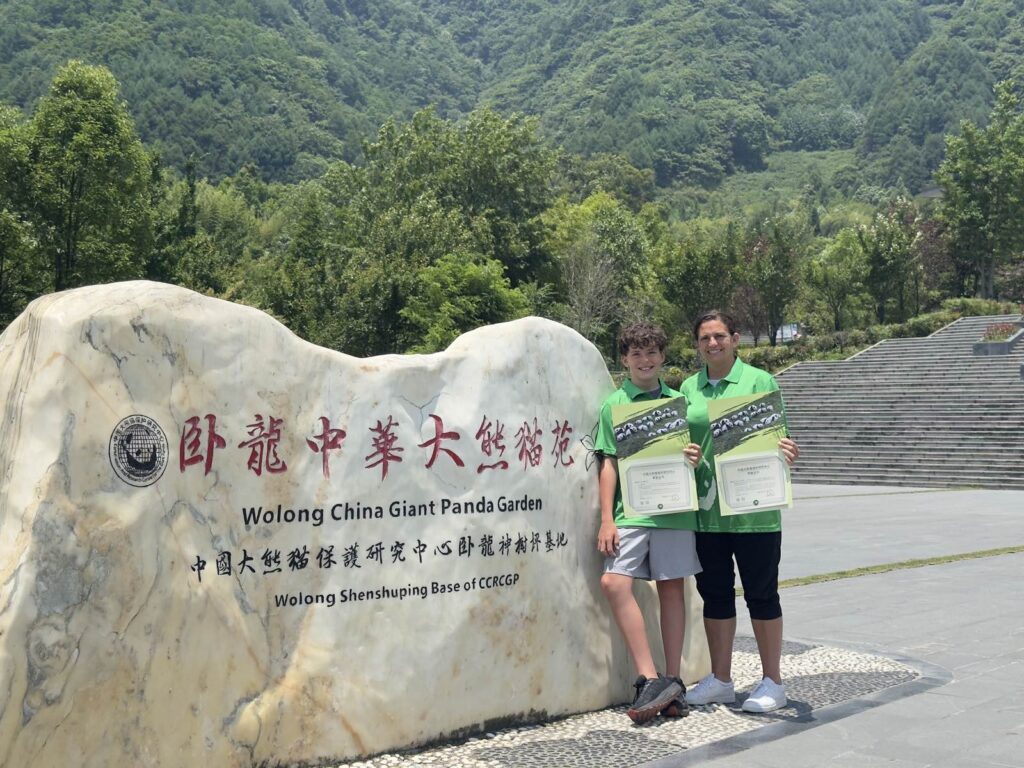
Volunteers posing at the Wolong China Giant Panda Garden entrance in Sichuan, China.
Two panda volunteers hold participation certificates beside the Wolong China Giant Panda Garden sign

Who is this experience for?

A Wolong panda volunteering experience suits travelers who want to look beyond a brief panda viewing visit. It works particularly well for wildlife enthusiasts, families, photographers and visitors planning a thoughtful China panda tour from Chengdu.

The day is built around simple tasks, careful observation and practical learning. Together, they show how feeding, monitoring, research and habitat protection form part of the wider work of giant panda conservation.
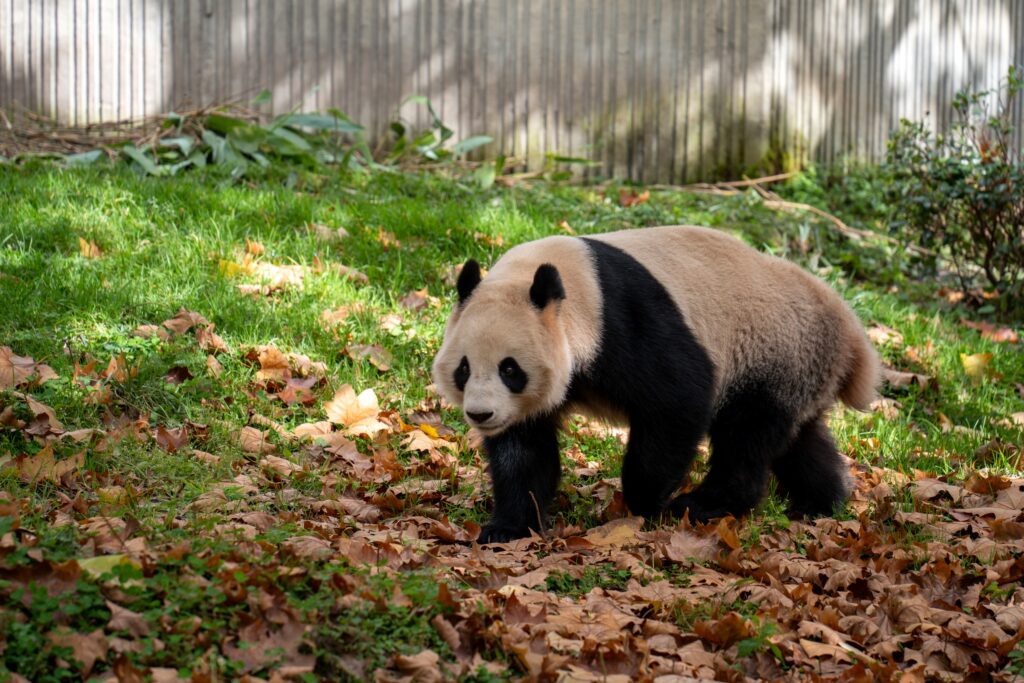
Giant panda walking across autumn leaves at Wolong, Sichuan, China.
Giant panda resting among branches in Wolong, Sichuan, China.
RELATED DESTINATION
Illuminated Anshun Bridge arches reflected in Chengdu's Jin River at night
Iconic China, Living Culture
Chengdu

Chengdu

A relaxed Sichuan capital shaped by pandas, teahouses, historic sites, and one of China’s great food cultures.

RELATED JOURNEY
A giant panda resting on a horizontal log among green foliage
Culture / Wildlife

1 Day

📍 Chengdu, Wolong

Panda Care & Conservation Experience in Wolong

A full-day return journey from Chengdu to Wolong for a keeper-led giant panda volunteer program, combining close observation, bamboo preparation, panda cake making and a flexible local valley exploration.

Continue Exploring

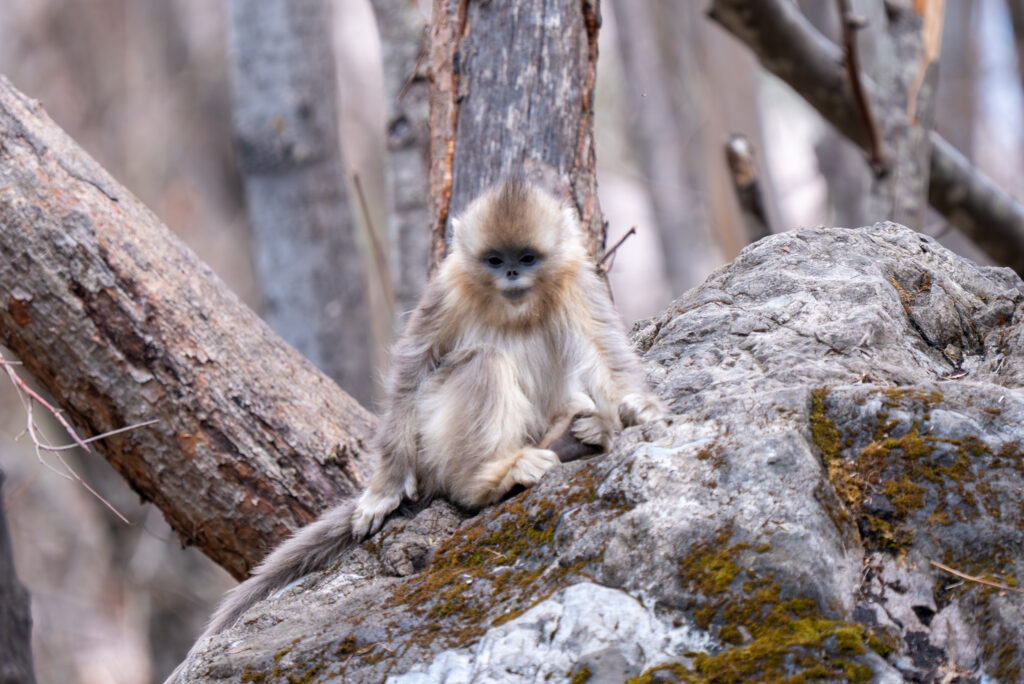
A young golden snub-nosed monkey sits between a tree trunk and a moss-covered rock in Pingwu, Sichuan.

Sichuan Golden Snub-Nosed Monkey Tours: How to See Them in the Wild

Where to see golden snub-nosed monkeys in Sichuan? This field guide compares Pingwu, Baihe near Jiuzhaigou and Jiajin Mountain, with current access and responsible wildlife-photography advice for planning a realistic wild monkey encounter.
READ STORY →
Close portrait of a red panda looking toward the camera

What a Red Panda Search Actually Looks Like in Sichuan

Searching for wild red pandas is less about covering distance than knowing where to look. In Sichuan, it means early starts, slow forest walks, scanning feeding trees and plenty of watching and waiting.
READ STORY →
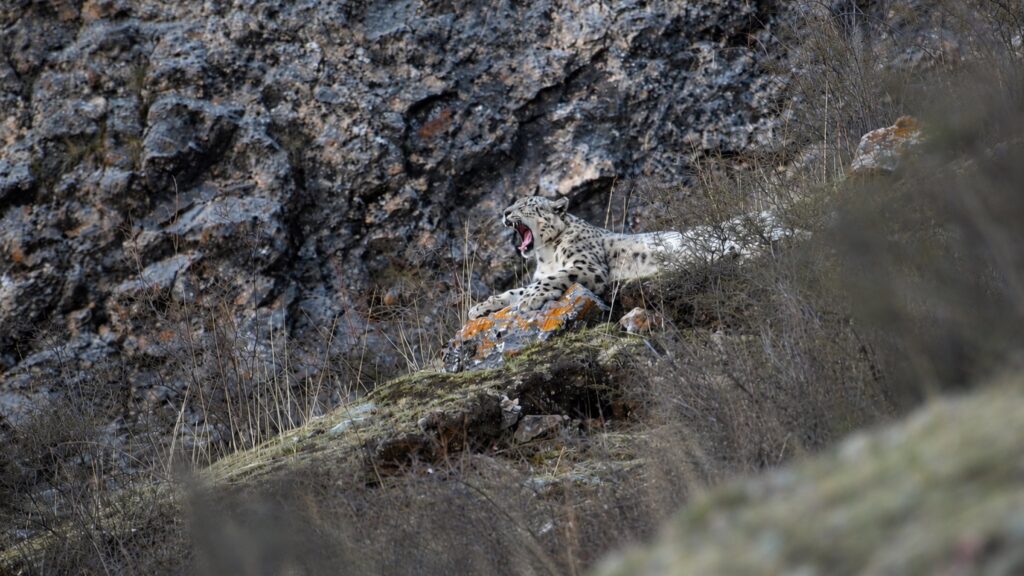
Snow leopard yawning while resting on a rocky slope

Tracking Snow Leopards in Qinghai: What Wildlife Travelers Should Expect

A snow leopard may be the reason to travel to Qinghai, but the journey works best when you understand it as a broader search across the Tibetan Plateau.
READ STORY →