China Guides

What a Red Panda Search Actually Looks Like in Sichuan

Searching for wild red pandas is less about covering distance than knowing where to look. In Sichuan, it means early starts, slow forest walks, scanning feeding trees and plenty of watching and waiting.
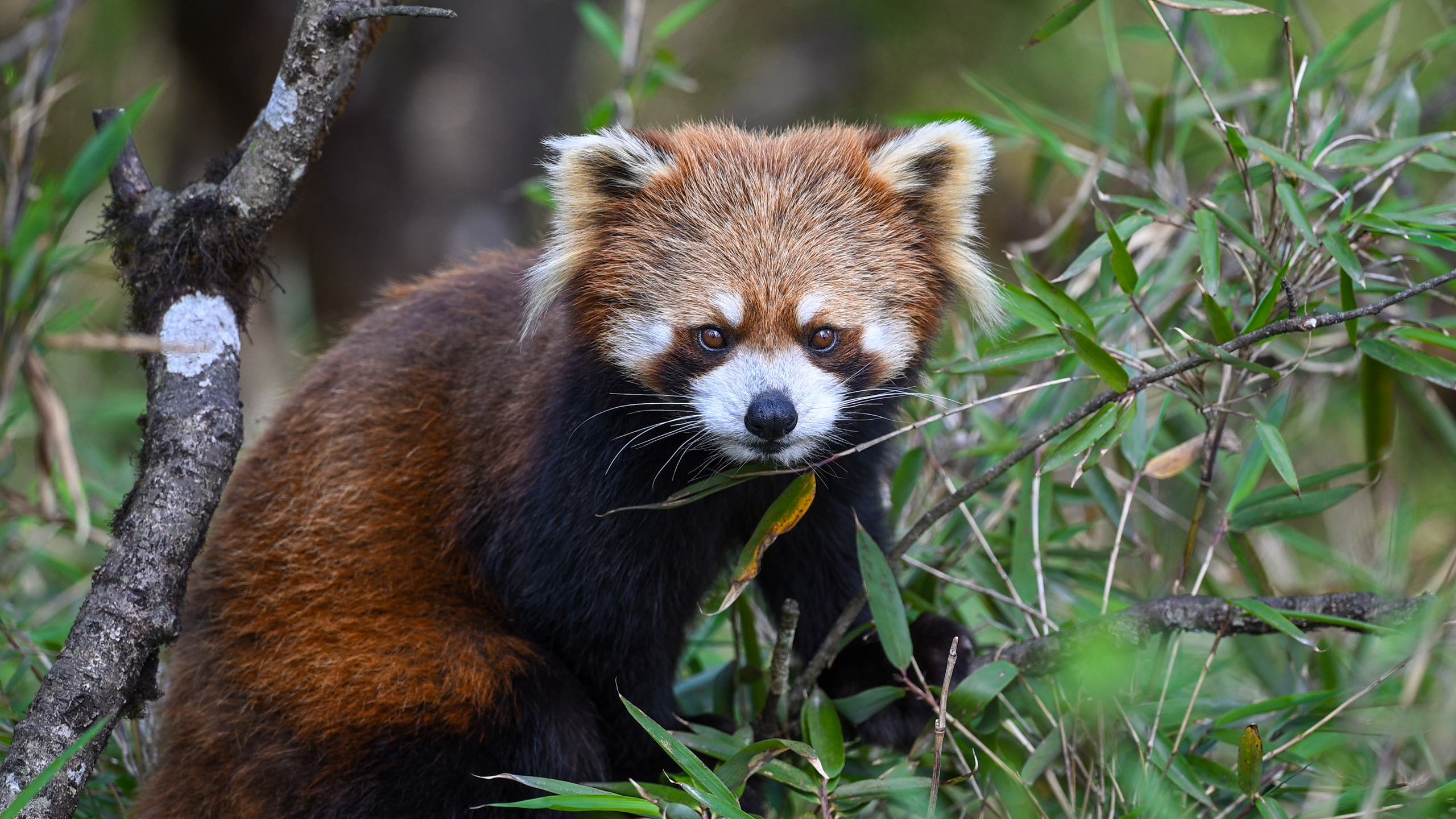
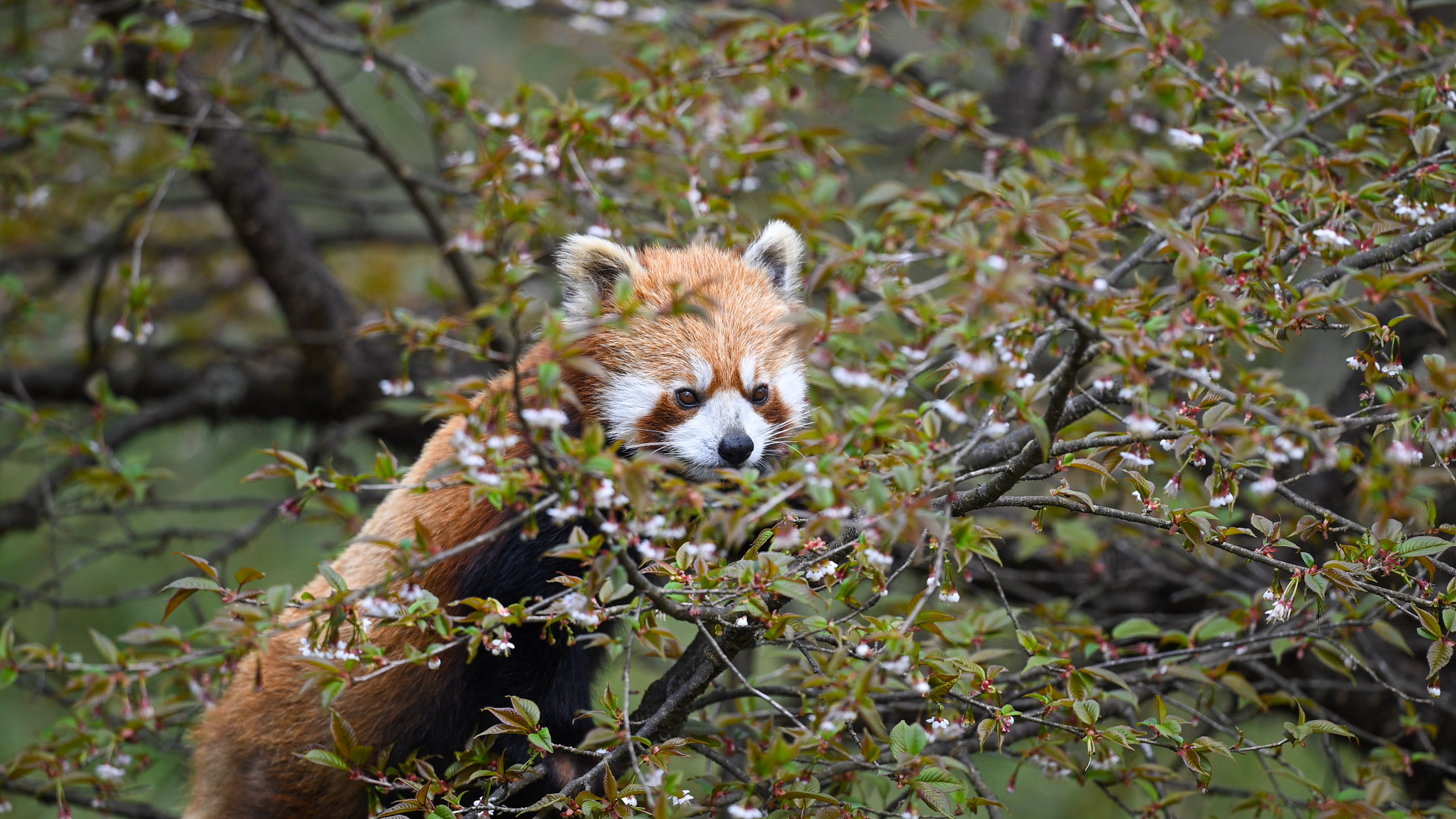
Close portrait of a red panda looking toward the camera
THE STORY

A wild red panda search in Sichuan is usually much slower than travelers expect. There is no fixed viewpoint where you simply arrive and wait. A field day starts early, moves through suitable forest habitat, and depends on repeated scanning, recent signs and decisions made on the ground.

For PandaTraceChina, the main search areas are Labahe, Wawu Mountain and Jiajin Mountain. Each works differently in the field, so the way we search also changes with the location.
Why We Usually Start Early

Timing matters more than covering a large distance.

Research from Fengtongzhai Nature Reserve found stronger red panda activity in spring and summer-autumn than in winter, with notable activity periods in the morning and late afternoon.

This is one reason spring and autumn are commonly chosen for field trips. They can also be more comfortable for spending long hours outside than the coldest winter conditions.

But season is only part of the decision. A spring or autumn trip does not guarantee a better sighting. Weather, visibility, food and where an animal happens to be resting or feeding can all affect the search.

In practice, we normally start early so the team is already in suitable habitat during the morning activity period.

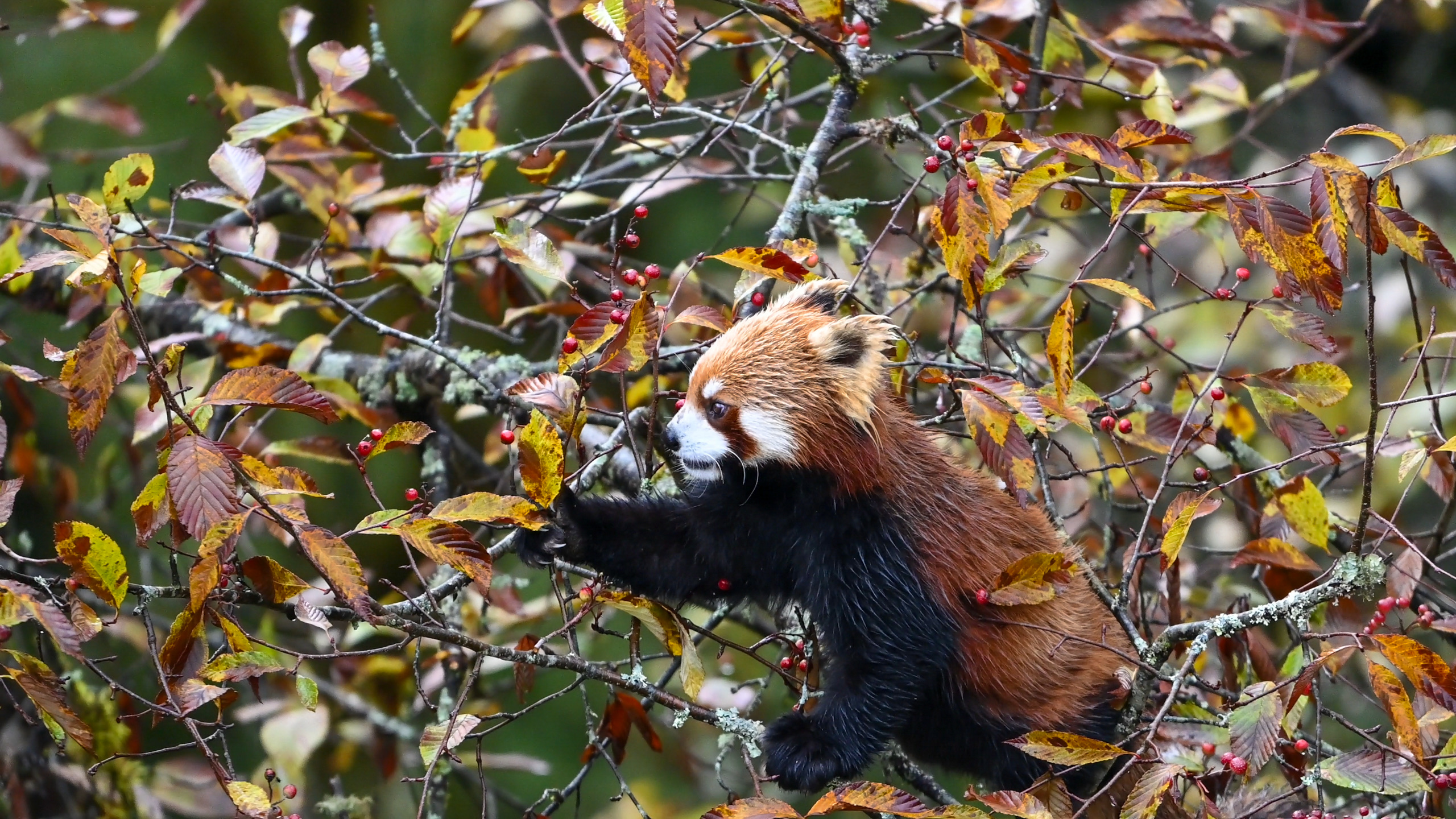
The red panda eat the fruit

How We Actually Search

The search is not simply looking for a red shape in the trees.

Guides repeatedly check bamboo stands, mature trees, mossy branches, sheltered slopes and quiet forest edges. Particular attention goes to the canopy and branch junctions, where an animal can easily disappear behind foliage.

Sometimes the useful clue is not the red panda itself. Fresh droppings, feeding signs, disturbed branches or a possible resting place can influence where the team searches next.

We use binoculars for quick scanning and a spotting scope when a distant tree or slope needs a closer look. An infrared scanner can help in darker forest conditions, but it is an aid rather than a shortcut.

A typical pattern is simple: scan, wait, move a short distance, then scan again.

Around midday, the group usually stops for lunch and reviews the morning search. The afternoon may cover another area or return to a section that looked promising.

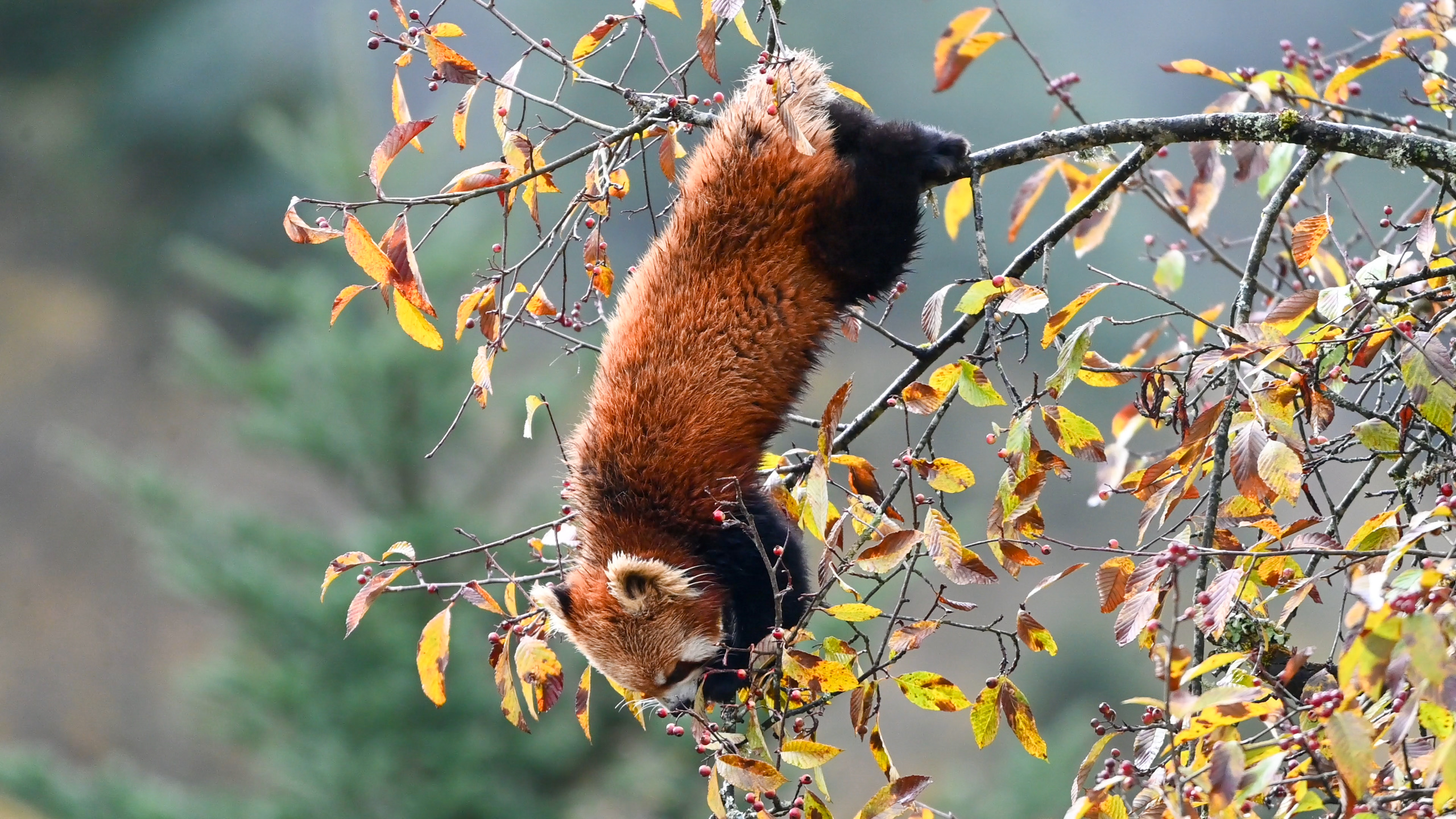
The red panda searchs the fruit

Why the Three Locations Feel Different

In Labahe, one practical advantage is food. Rowan trees whose fruit red pandas like to eat grow along parts of the road, making it easier for us to watch likely feeding areas from accessible search points. This does not make a sighting predictable, but it gives the search a clearer focus.

Wawu Mountain is different. Following local rescue and protection work, red pandas have become accustomed to using a particular area. This gives the search a more defined zone than in a completely open-ended forest search.

Jiajin Mountain feels more primitive and less predictable. There is less sense of searching a known concentration point, so finding a red panda can require more patience and more luck.

These differences matter more than simply comparing scenery. In Labahe, we can pay close attention to food trees along accessible roads. In Wawu Mountain, the search can focus more closely on an area red pandas are known to use. In Jiajin Mountain, the experience is closer to searching a much wilder landscape with fewer clues to work from.

None of the three offers a guaranteed encounter.

A red panda may be high in a tree, hidden behind foliage, resting somewhere out of view or simply using another part of the forest. A good search therefore depends on reading the habitat, knowing where to spend time and accepting that wildlife ultimately decides whether it appears.

The red panda hangs upside down to eat the fruit

Continue Exploring

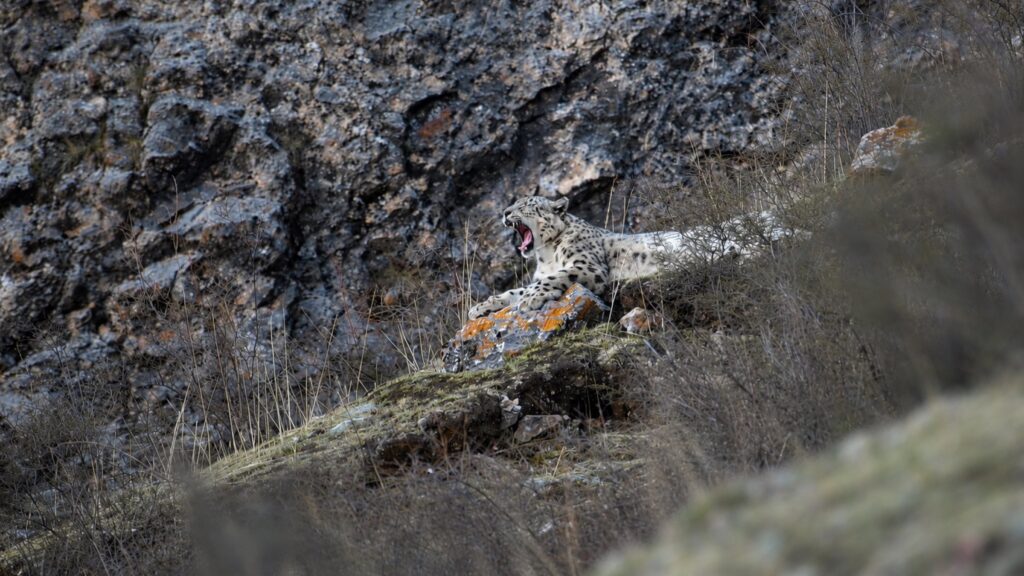
Snow leopard yawning while resting on a rocky slope

Tracking Snow Leopards in Qinghai: What Wildlife Travelers Should Expect

A snow leopard may be the reason to travel to Qinghai, but the journey works best when you understand it as a broader search across the Tibetan Plateau.
READ STORY →
Symmetrical courtyard and golden-roofed palace within Beijing's Forbidden City

China Travel Checklist

China is easy to enjoy once a few practical details are settled before departure. The country is large, transport is fast, and a journey may move from imperial cities to humid mountain forest or the high plateau within days. This checklist
READ STORY →
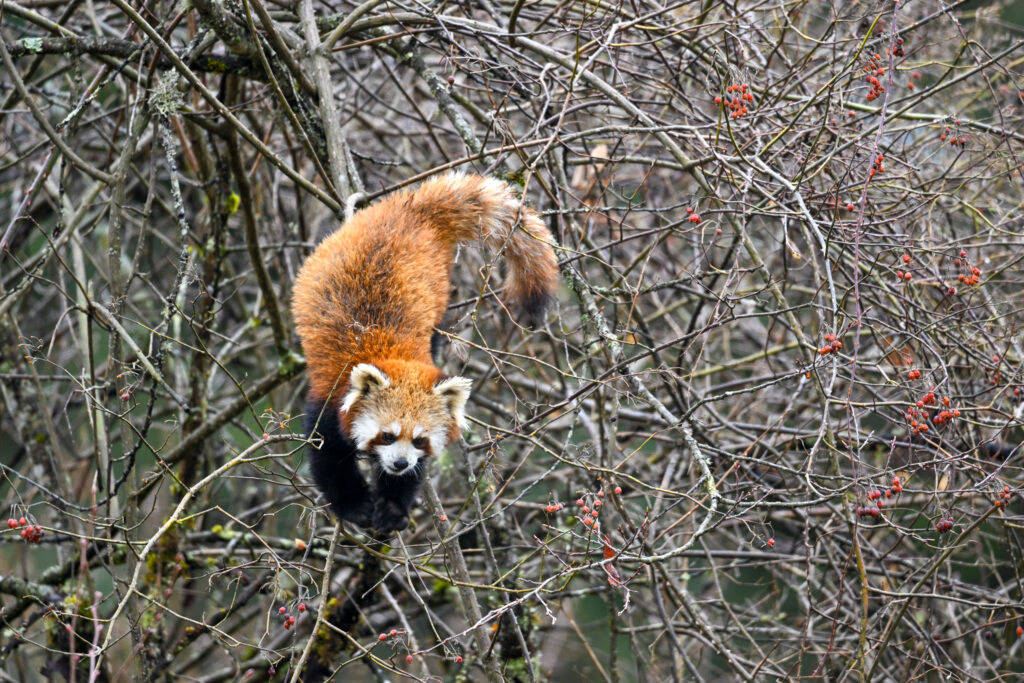
Red panda descending through thorny branches beside clusters of red berries

Where to See Wild Lesser Pandas in China

Sichuan is the sensible place to start because it holds the world's densest population of wild red pandas — roughly 3,000–3,400 animals, close to half of China's entire 6,000–7,000
READ STORY →