
High-altitude river headwaters, alpine wetlands and wildlife across the vast Qinghai Plateau.
July to September
Three great river headwaters
High-altitude landscapes and wildlife
2–4 days
Sanjiangyuan is the headwater region of the Yangtze, Yellow and Lancang rivers, a high-altitude landscape often described as China’s “water tower.” The former Sanjiangyuan National Nature Reserve was established in 2000 and upgraded to national status in 2003, reflecting the ecological importance of its alpine grasslands, wetlands and wildlife habitats. In 2021, the three major river-source areas formerly within the reserve were incorporated into Sanjiangyuan National Park, shifting protection toward a more integrated landscape-scale system.
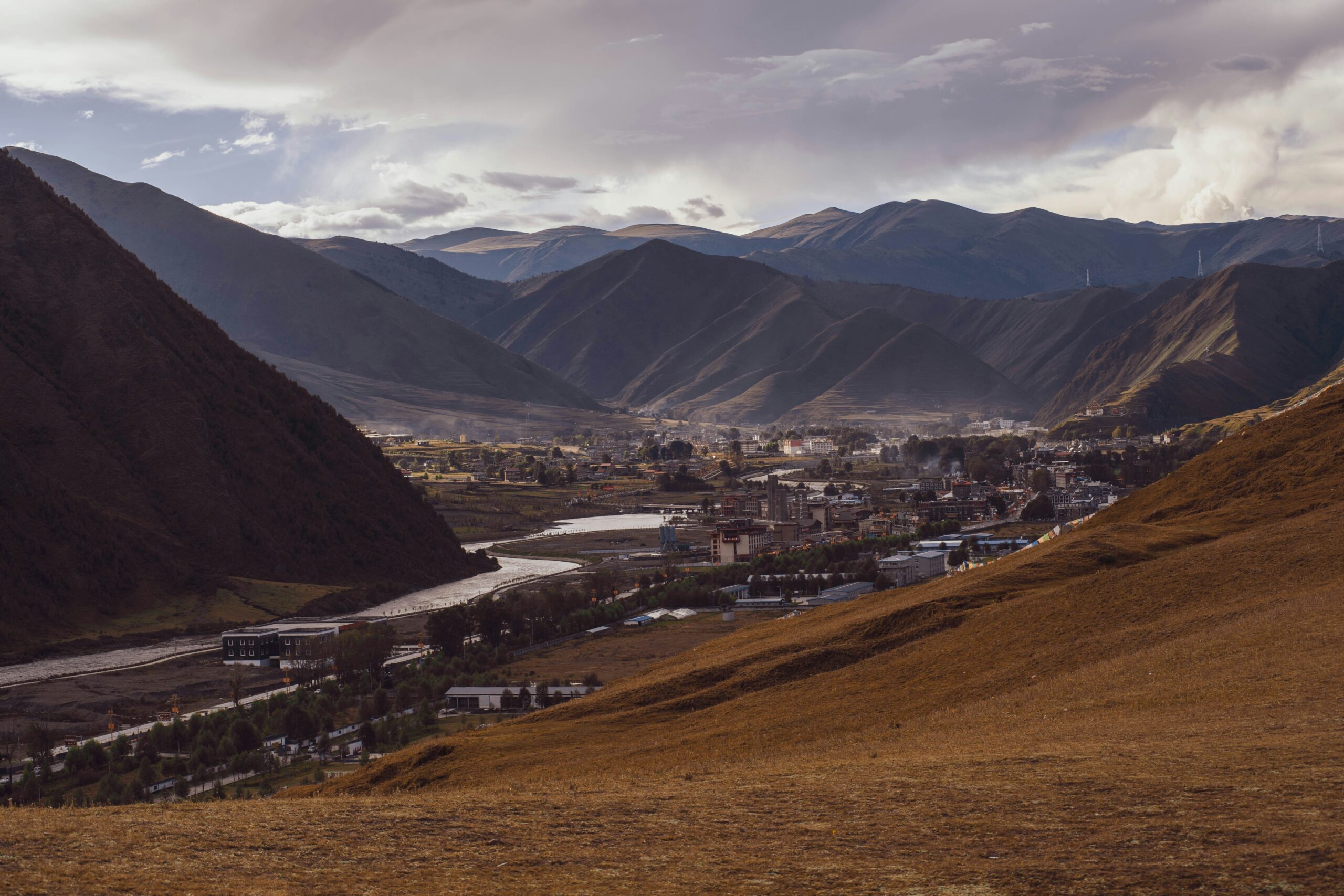
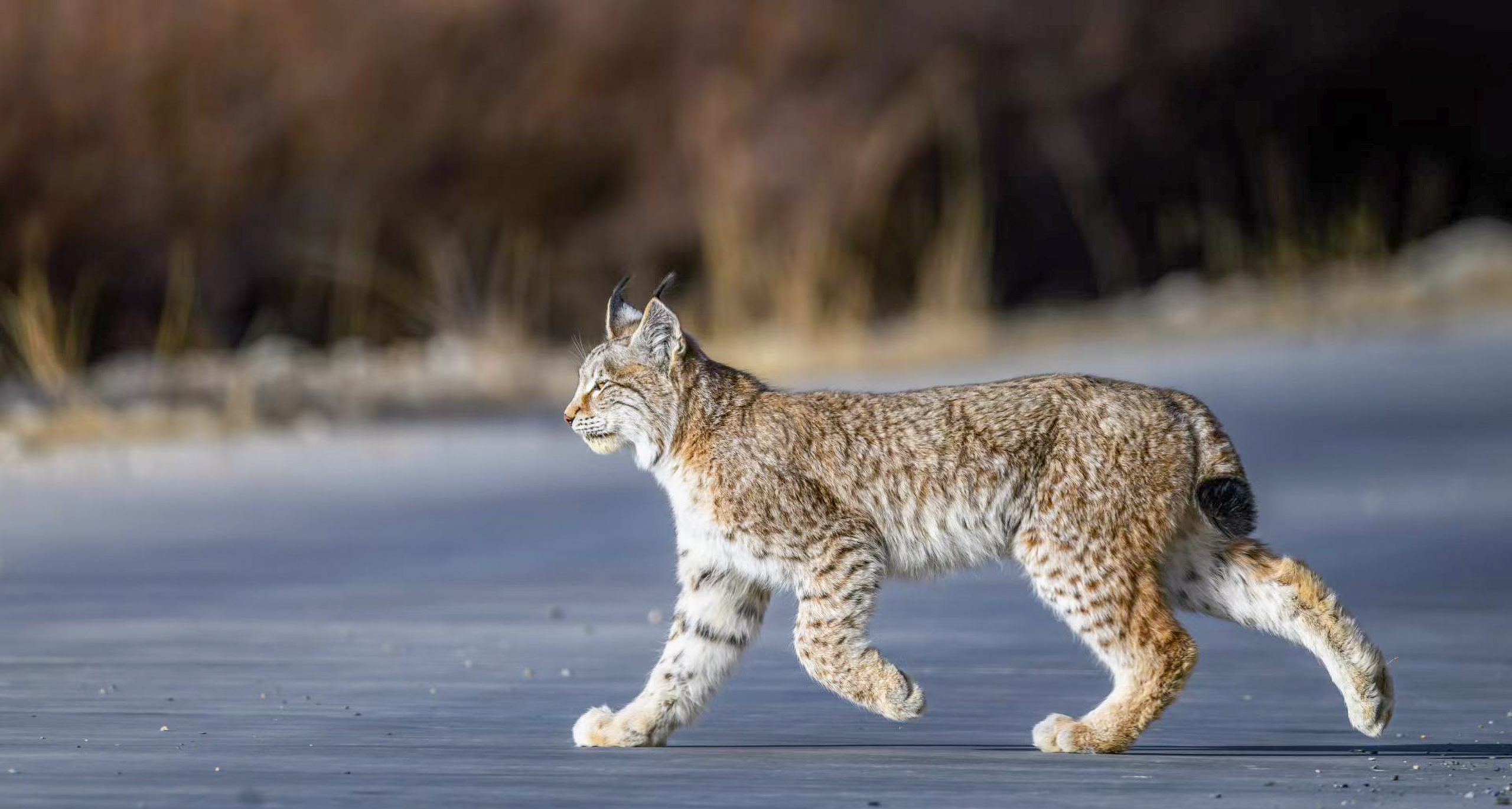
The requested destination name refers to a protected-area designation with an important historical role in Sanjiangyuan conservation. Official sources state that the reserve was approved at national level in 2003. When Sanjiangyuan National Park was formally established in 2021, overlapping protected areas inside the national park were reorganized, and the former reserve’s principal river-source areas were brought under the national park framework. Travelers should therefore treat current access, zoning and permitted activities as national-park or locally managed protected-area matters rather than assume the former reserve operates as a single visitor attraction.
Expect broad, austere plateau scenery rather than a conventional scenic-area visit. The region combines river headwaters, high-elevation grasslands, wetlands, lakes and wildlife habitat across immense distances. Conditions are shaped by thin air, strong solar radiation, rapid weather changes and limited services. Wildlife may be present, but sightings are never guaranteed and access can vary by management zone.
This destination is useful when a journey needs ecological scale and river-source context rather than a single landmark. It can frame the Qinghai Plateau as a living headwaters system, but any itinerary should be built around current protected-area access rather than the historic reserve label alone.
Two to four days support a focused approach from a gateway, but distances are large and altitude slows travel. Longer stays may suit separate river-source areas when access, acclimatization and transport logistics are confirmed.
Even in the warm season, strong sun, cold wind, rain, hail or sleet can occur. High elevation amplifies exposure and temperature swings.
Short walks may feel strenuous at altitude; route choice depends on local access rules.
Access is dispersed and management-zone dependent; verify current permits and road conditions locally.
Favor July to September for comparatively milder plateau conditions, while planning around summer rain and abrupt weather changes.
A remote landscape where protected-area controls matter more than conventional sightseeing infrastructure.
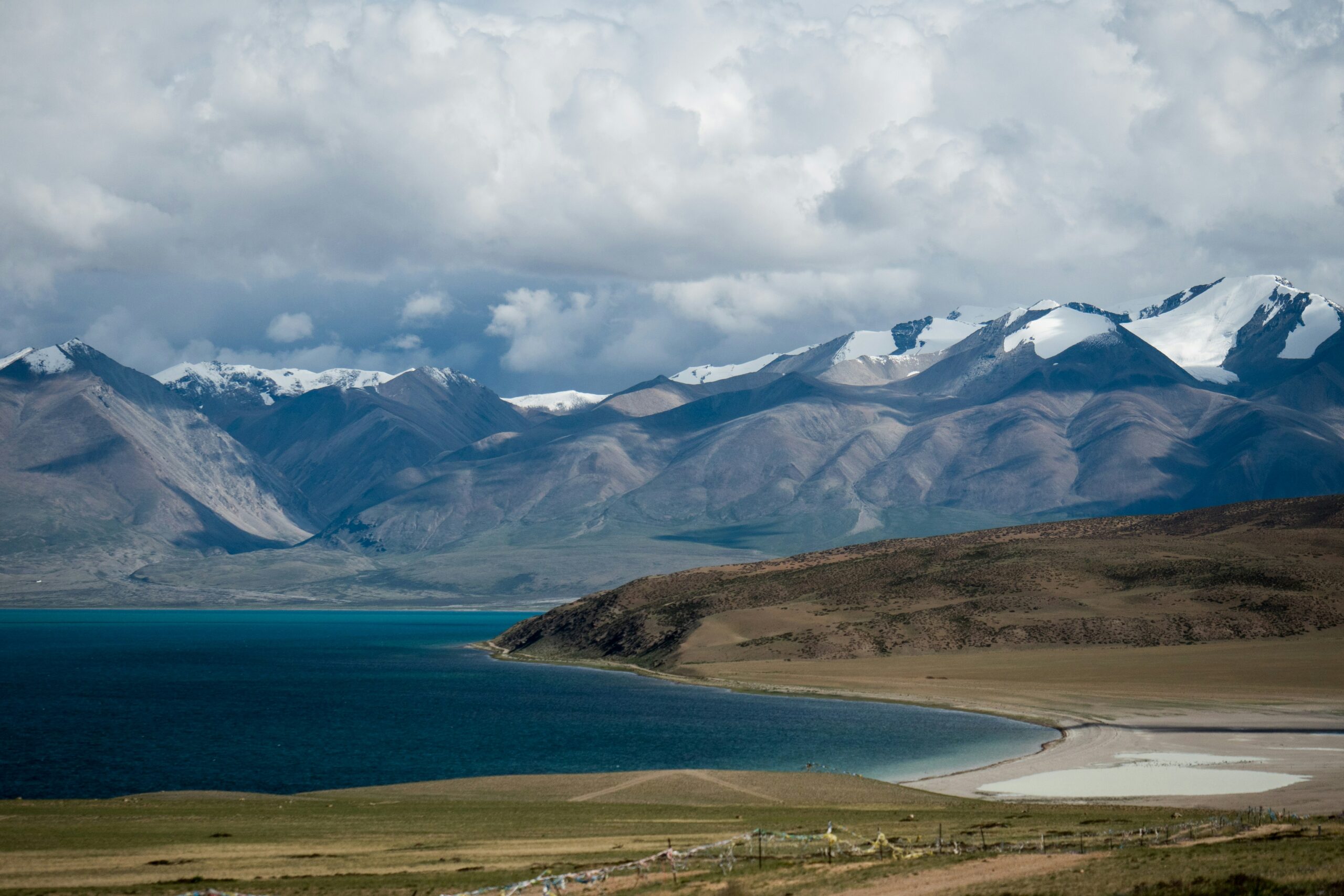
July to September is the most practical broad window for milder temperatures, though summer precipitation, storms and high-altitude weather still require flexibility.
Spring remains cold and windy across much of Sanjiangyuan, with lingering snow and highly variable road conditions at elevation.
Summer is the warm season, but it also brings most annual precipitation. Rain, hail and occasional sleet can occur even during the main travel months.
Early autumn can offer clearer conditions, while temperatures fall quickly and winter-like weather becomes increasingly possible.
The cold season is long, dry and windy, with severe temperatures and snow hazards across exposed high-altitude terrain.
Travelers interested in high-altitude ecology, vast landscapes and the conservation story of China’s major river headwaters.
Travelers seeking easy urban-style sightseeing, dense facilities, predictable wildlife encounters or tightly scheduled day-by-day movement.
Landscape photography can be strong in clear weather, but light, cloud, wildlife presence and road access are variable and cannot be guaranteed.
Compared with a conventional nature reserve visit, Sanjiangyuan is better understood as a vast headwaters landscape whose present-day management is increasingly organized through Sanjiangyuan National Park.
Cold, wind, strong sun and limited facilities are normal high-plateau considerations.