For a golden snub-nosed monkey Sichuan tour you can plan now, start with Pingwu in Mianyang. Its monkeys are wild, and local observers help locate them, giving travelers a more realistic chance to watch and photograph them than a wholly unassisted forest search. Baihe, near Jiuzhaigou, can be particularly good for photography when operating, but it is currently closed and should not be sold as an available stop. Jiajin Mountain is the choice for a more demanding encounter with a less predictable outcome.
Even people familiar with the habitat cannot guarantee a sighting. Leave enough room in the itinerary for the monkeys to move, the weather to change or a day to pass without an encounter.
Where to see golden snub-nosed monkeys in Sichuan
Area | Management, wildness and sensitivity | Current access | Photography suitability | Other wildlife value |
|---|---|---|---|---|
Pingwu, Mianyang | Wild monkeys; local people go out to locate and observe them. Visits still need to respect the animals’ space. | Current practical option, subject to local arrangements. | Best current choice for travelers prioritizing a realistic chance to photograph wild monkeys. | Forest wildlife and a wider Sichuan nature itinerary; other species are not promised. |
Baihe, Jiuzhaigou area | Staff management, monitoring and detection help observers find monkeys. These are forest animals, not a substitute for an ethical field encounter. | Currently closed; not bookable. Access needs checking before travel. | Usually the strongest of these three for photography when open. | A forest complement to travel in the Jiuzhaigou area, if access resumes. |
Jiajin Mountain | Fully wild, more original and sensitive habitat; sightings depend on the animals, conditions and permitted access. | Plan only around locally permitted routes and conditions; not a dependable monkey stop. | Less favorable for close or predictable images. | Possible wild giant panda and wild red panda sightings, with no guarantee. |
Choose by the kind of day you want: time with a locally located troop in Pingwu, a staff-monitored setting in Baihe if it reopens, or a search through Jiajin’s less disturbed mountain forest.
Pingwu: the practical choice for wild monkey photography
In Pingwu, local people go out to locate and observe golden snub-nosed monkeys. Their help can make a search more focused. The monkeys remain wild, free to move away, stay high in the canopy or disappear into cover. A local observer may find activity in the forest, yet the animals decide whether you see them.
“According to 2024 monitoring data, Xiaohegou Nature Reserve in Pingwu is habitat for about 1,000 Sichuan golden snub-nosed monkeys.” – Xinhua
The same Xinhua report describes a popular science education base within Xiaohegou. Its presence does not establish how other Pingwu outings operate. Tell your planner you want to observe free-ranging monkeys in their habitat so the intended setting is clear.
For a Sichuan wildlife photography tour centered on this species, Pingwu is the sensible first choice under current conditions. Give the outing enough time for observation rather than building a tight schedule around one promised encounter. A guide who understands local access and can adjust the day when conditions change is more useful than a fixed photo-stop timetable.
Ask for a clear description of the planned encounter, whether it involves observing a free-ranging troop, visiting a facility or seeking a close interaction. For a wild encounter, keep distance, stay with authorized local guidance and let the monkeys set the pace. Use a longer lens rather than approaching for a close portrait.
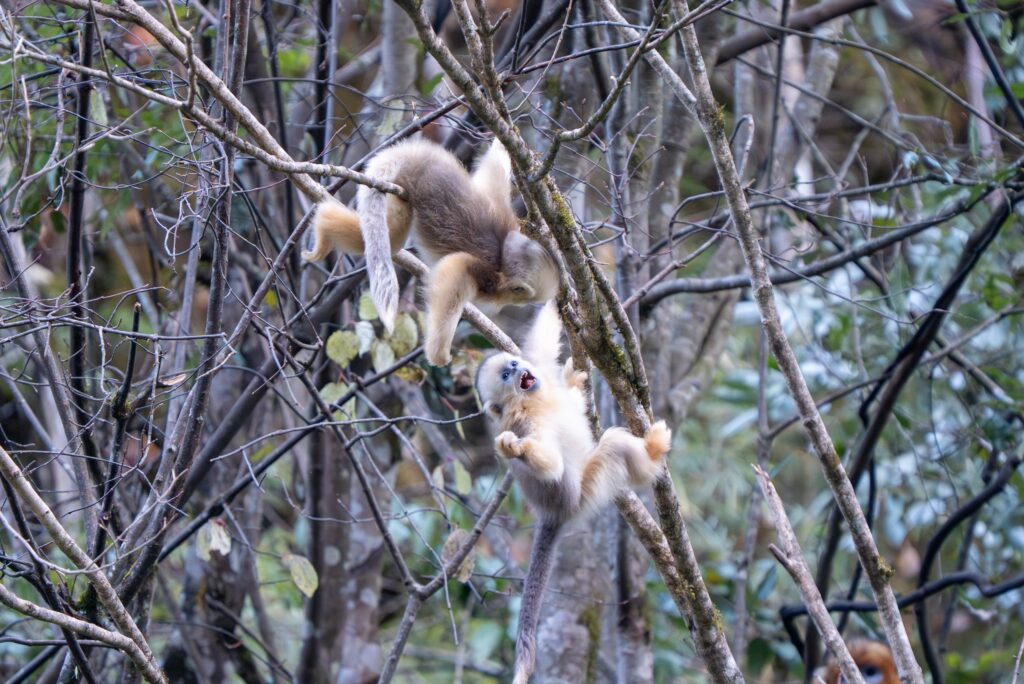
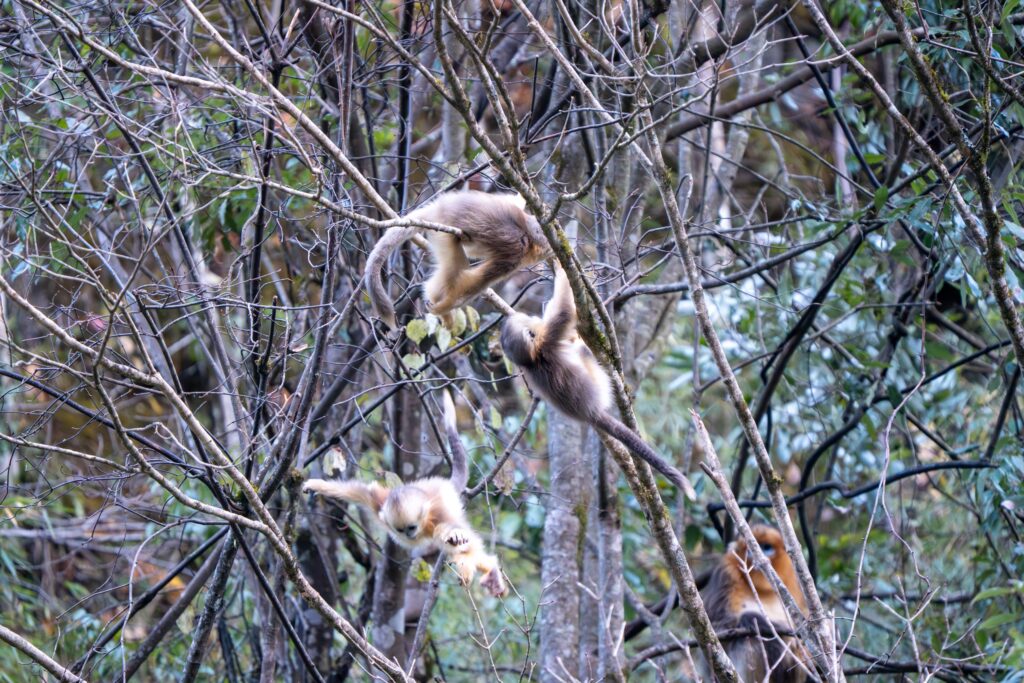
Baihe: excellent photographic potential, but closed for now
Baihe, in the Jiuzhaigou area, has a more structured approach to observation. Staff manage and monitor the site and help detect monkeys. When it is open, that usually gives photographers the best opportunity of the three locations, though sightings still depend on the animals and movement through protected habitat remains restricted.
Baihe is currently closed. Leave it off a confirmed Sichuan golden snub-nosed monkey tour and check its access status before travel. If it reopens with suitable visitor arrangements, it may again suit photographers who want more time with the species. For now, plan around Pingwu instead.

Jiajin Mountain: a wilderness search, not a photo session
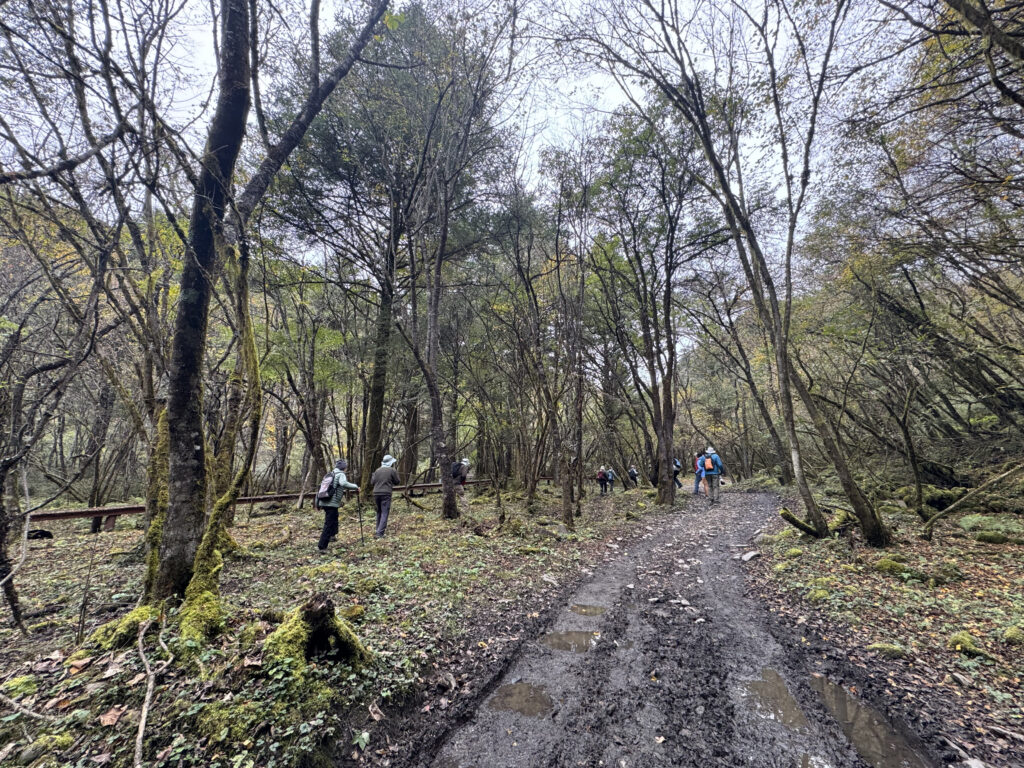
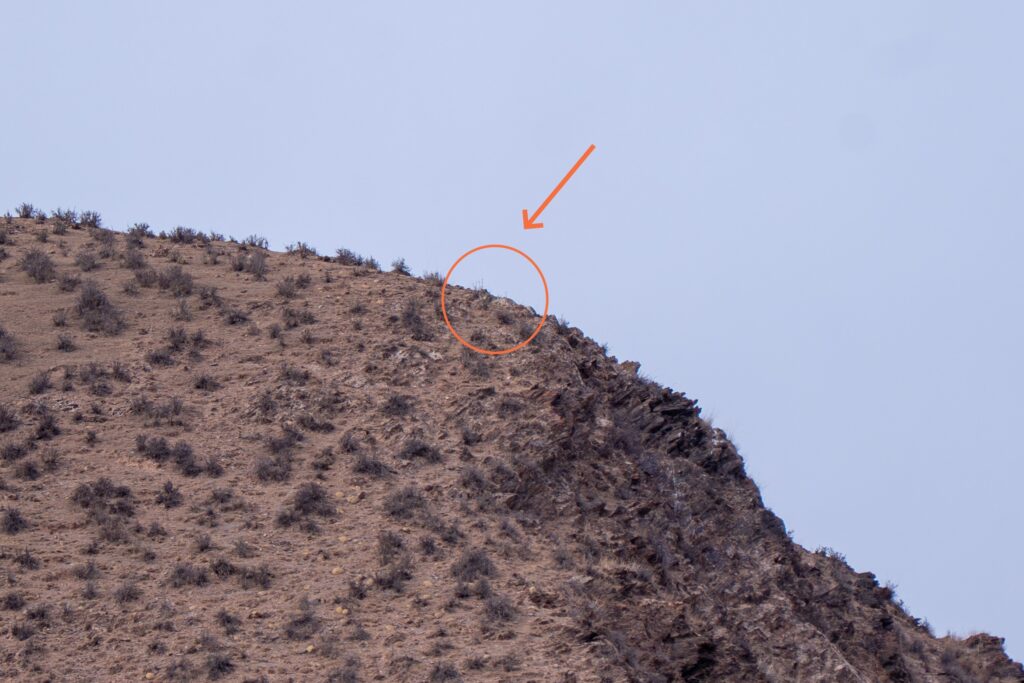
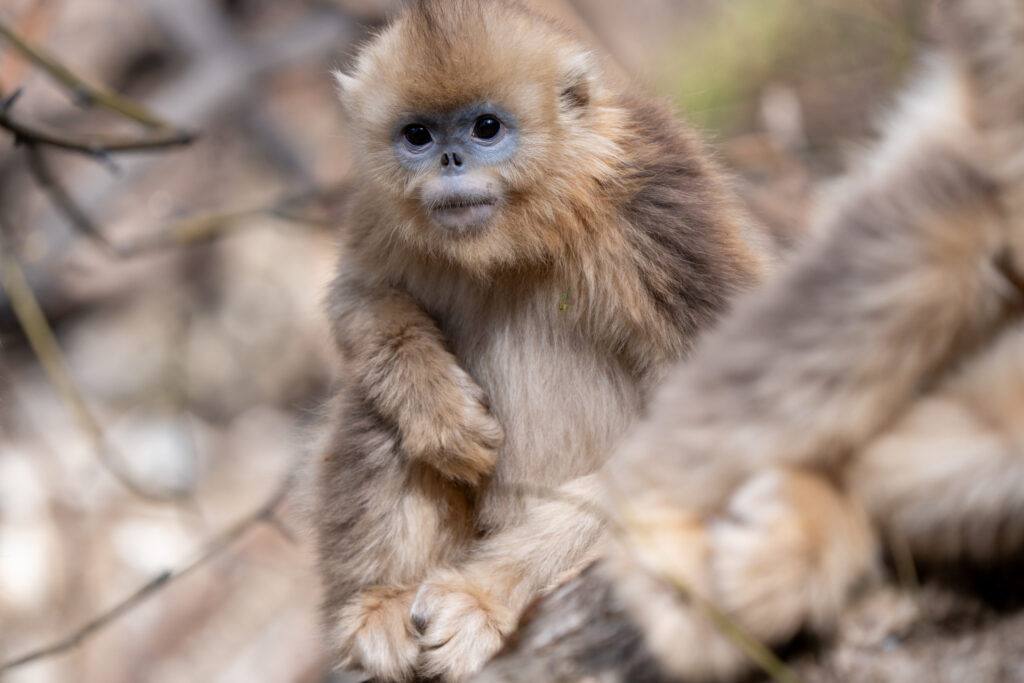
Jiajin Mountain suits travelers who enjoy searching the forest without a known observation point. The monkeys are fully wild in a more original, sensitive setting. Finding them can be harder, and a sighting may be distant, brief or screened by branches. Come for the forest day itself if a close portrait is essential elsewhere on the trip.
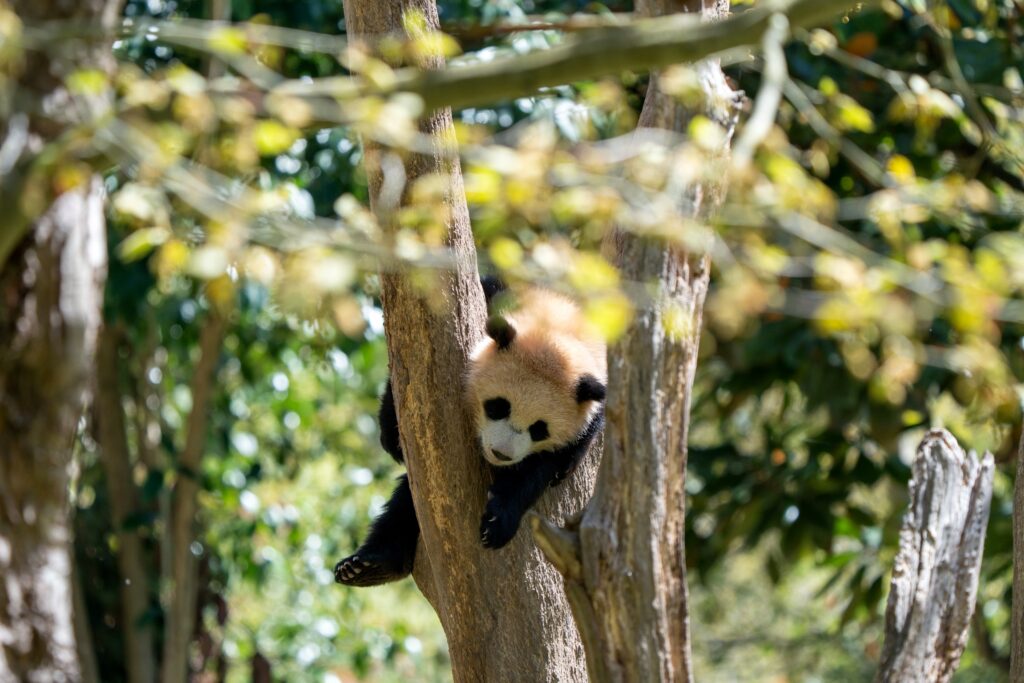
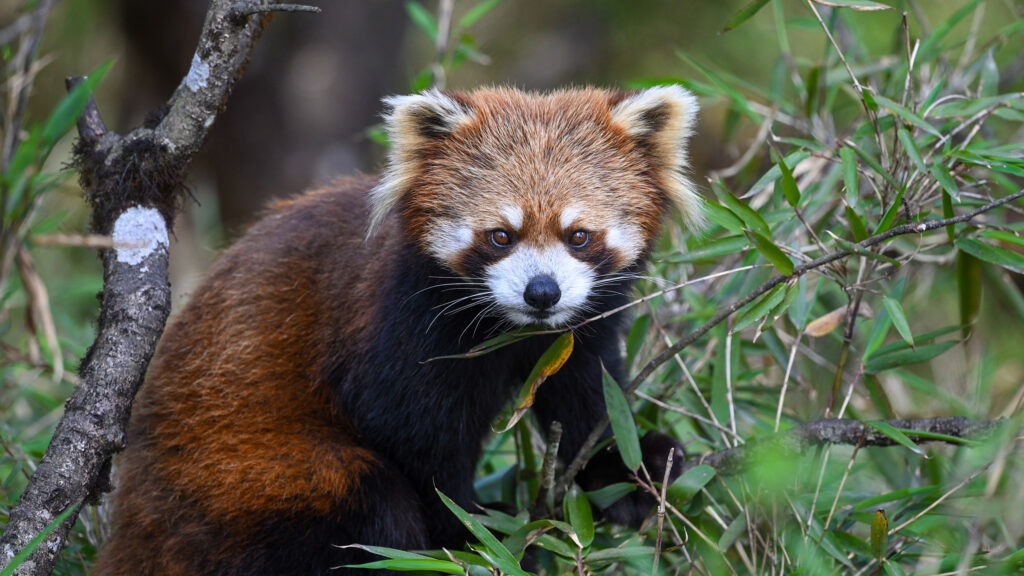
Wild giant pandas and wild red pandas are possible in the wider mountain landscape, though no panda or monkey encounter is guaranteed. Learn more about the setting on our Jiajin Mountain destination page and about searching for wild red pandas in China. Stay on permitted routes, leave sensitive habitat undisturbed and accept a guide’s decision to turn back when conditions call for it. A quiet day here can still be time well spent in the mountains.
When is the best time to see golden snub-nosed monkeys in Sichuan?
There is no single reliable date across Pingwu, Baihe and Jiajin Mountain. Foliage, weather and the troop’s feeding location affect what you can see; mountain access and walking conditions vary too. Photographers are better served by planning around the likely light and canopy at their chosen site than by relying on a month advertised for easy sightings.
If monkeys are the main reason for the trip, give Pingwu more than a brief stop and leave room for a weather or rest day. In Jiajin Mountain, the day is a search through mountain habitat whether or not an animal appears. Keep Baihe off the confirmed route while it is closed.
Bring layers and footwear suited to a mountain forest day, plus rain protection for both person and camera. Binoculars help when a troop remains high in the trees. For photography, prioritize a lens that lets you stay back, spare batteries and a quiet way to carry equipment; there is no reason to approach an animal to fill the frame.
A practical private itinerary
Use Pingwu as the monkey-focused leg of a broader Sichuan journey, with time for landscapes, culture or other wildlife interests at your own pace. Add a Jiajin Mountain wilderness extension if you are comfortable with a less predictable search. Reconsider Baihe only after it reopens.
Wildlife rarely keeps to a group timetable. Panda Trace China designs tailor-made wildlife journeys with China-based guides and field knowledge, bringing animal searches together with remote landscapes and local experiences. A private route leaves time for photography or a longer mountain day without putting access, community relationships or animal welfare behind a checklist.
How to photograph responsibly
Let behavior set the distance. If monkeys stop feeding, repeatedly look toward people or move away, give them more space.
Avoid baiting or feeding. An image of natural behavior is worth more than a close-up produced by altering it.
Work with the light you have. Forest shade and branches are part of the setting; a longer lens and patience are better than forcing a clear view.
Follow local rules. Stay on permitted routes and follow staff or local guide instructions, especially in sensitive habitat.
For most travelers asking where to see golden snub-nosed monkeys in Sichuan today, choose Pingwu: it offers a realistic opportunity to observe and photograph wild animals with local assistance. Choose Jiajin Mountain if the wilderness experience matters more than the image. Leave Baihe out of confirmed plans until it reopens. If you want a private Sichuan wildlife tour that makes those trade-offs carefully, ask Panda Trace China to design the journey around your interests and the conditions on the ground.