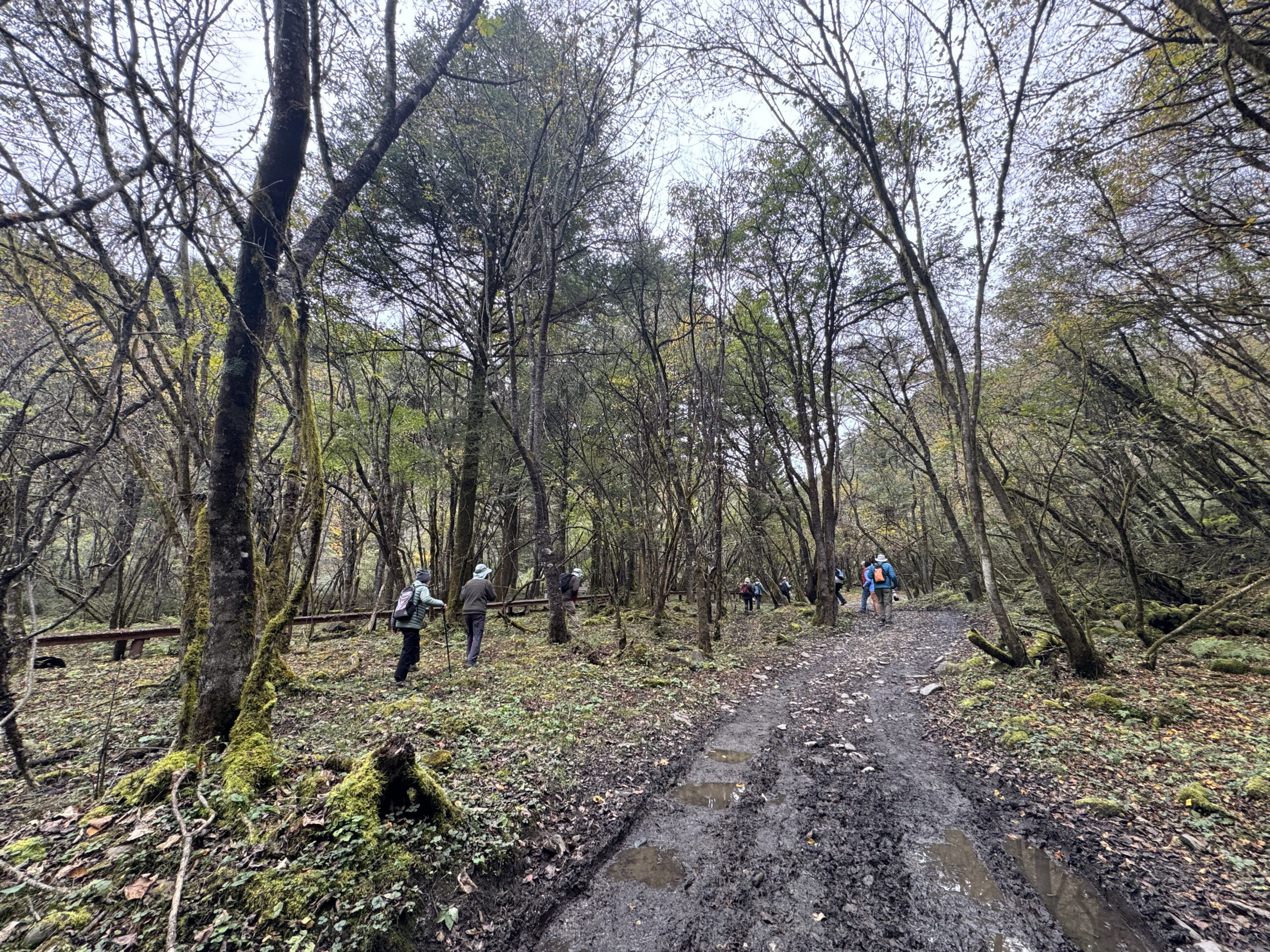
Search rugged Jiajin forests for wild giant pandas while discovering the mountain’s rich wildlife and demanding trails.
Best Time to Visit
Spring; autumn for scenery
Best Known For
Wild panda habitat and diverse forest wildlife
Key Experience
Strenuous forest treks to search for wild pandas
Suggested Stay
2–3 days
Why This Place Matters
The Jiajin Mountains form part of the UNESCO-listed Sichuan Giant Panda Sanctuaries, an important wild giant panda landscape. The central wildlife goal here is to search for signs of giant pandas in their natural bamboo-forest habitat, not visit a captive facility. Yet the appeal extends beyond one elusive species: the surrounding mountain region also supports red pandas, golden snub-nosed monkeys, Asiatic black bears and yellow-throated martens. This is a demanding environment of steep, forested slopes and changing conditions, where time spent understanding the habitat matters more than any promise of a sighting.
Place Context
Rugged Forests and Rich Mountain Wildlife
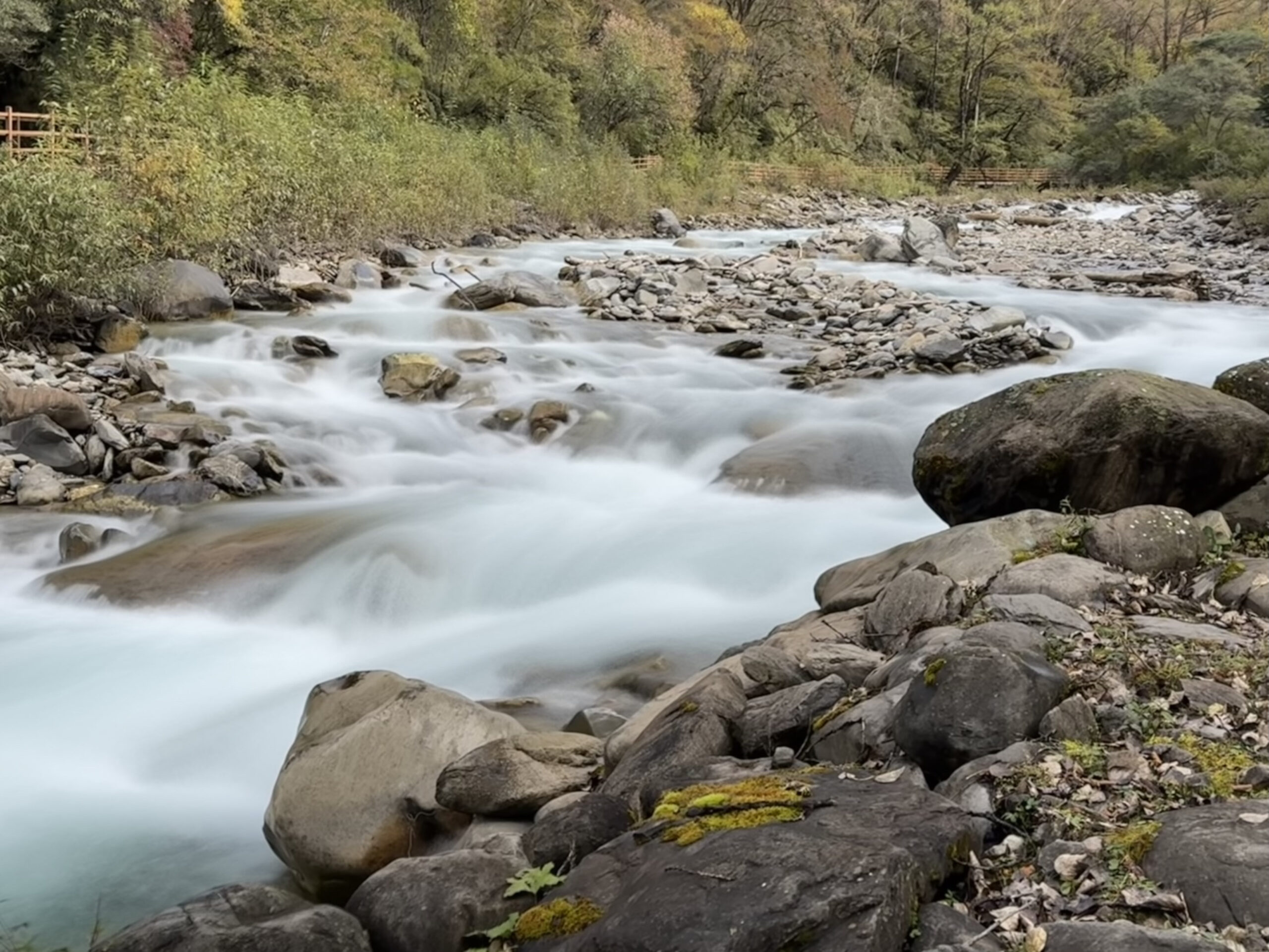
Jiajin Mountain lies between Baoxing in Ya’an and Xiaojin in Aba, where wooded valleys rise toward exposed mountain ridges. Nearby Baoxing and Fengtongzhai habitats support a wide range of forest mammals, but regional species records do not establish sighting chances on a particular Jiajin trail. The wider UNESCO World Heritage property includes separately managed protected areas; Jiajin is not a single open-access wildlife park. The G351 Jiajin Mountain tunnel opened for trial traffic in 2025, yet road access does not grant permission to hike inside protected panda habitat. Confirm current routes, trail conditions and legal entry arrangements locally before any expedition.
What You’ll Find Here
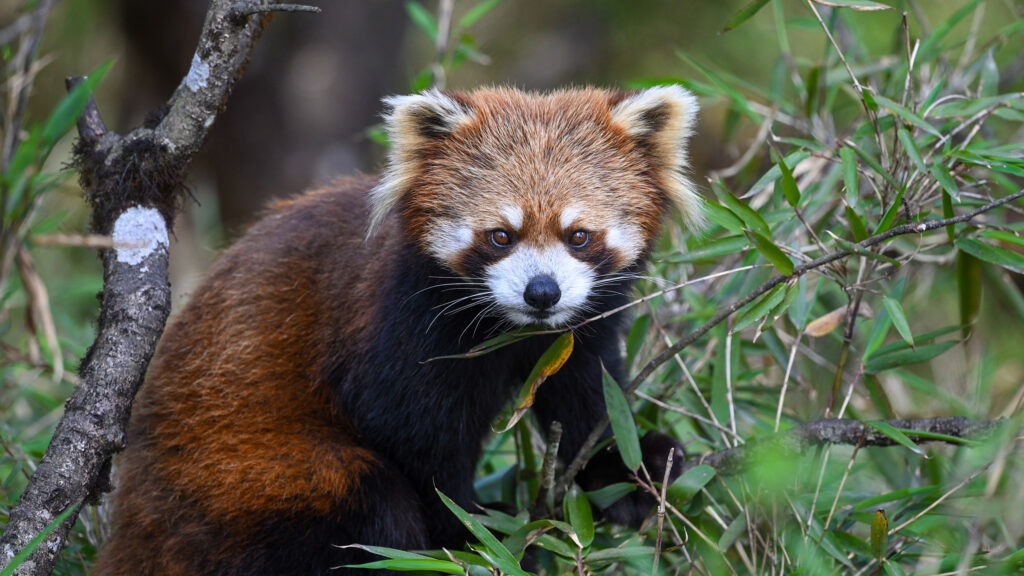
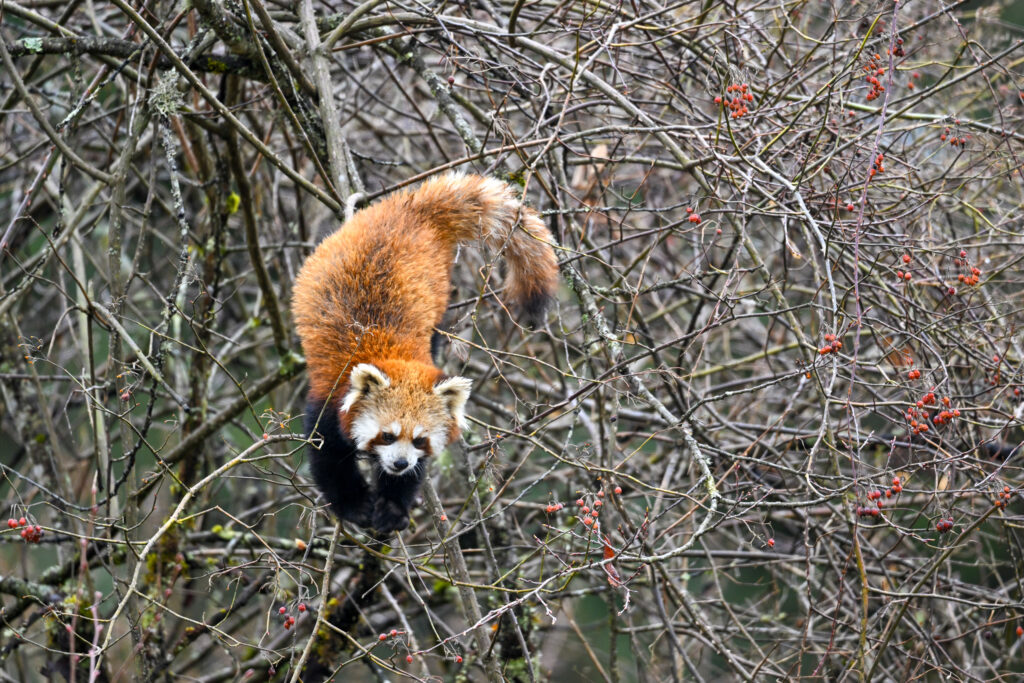
Wild giant pandas are the primary search target, but Jiajin is a broader mountain-wildlife expedition rather than a panda-only outing. The surrounding Baoxing and Fengtongzhai landscape has documented red pandas, golden snub-nosed monkeys, Asiatic black bears and yellow-throated martens, although regional records cannot predict sightings on any trail. Days may involve strenuous hiking over steep, uneven terrain, patient observation and long stretches without an encounter. Weather, fitness and legally permitted routes determine what can be attempted, and wildlife must never be disturbed.
Panda Trace Perspective
We use Jiajin for fit, experienced travelers seeking a challenging search for wild giant pandas within a wildlife-rich mountain ecosystem. Red pandas, golden snub-nosed monkeys, Asiatic black bears and yellow-throated martens add ecological interest, not a sightings checklist. The experience rewards patience, stamina and curiosity about the forest, and differs sharply from an easy visit to a captive panda facility.
Duration Logic
Allow two or three days as a provisional planning window: demanding terrain takes time, and encounters depend on weather and wildlife activity.
Weather Reality
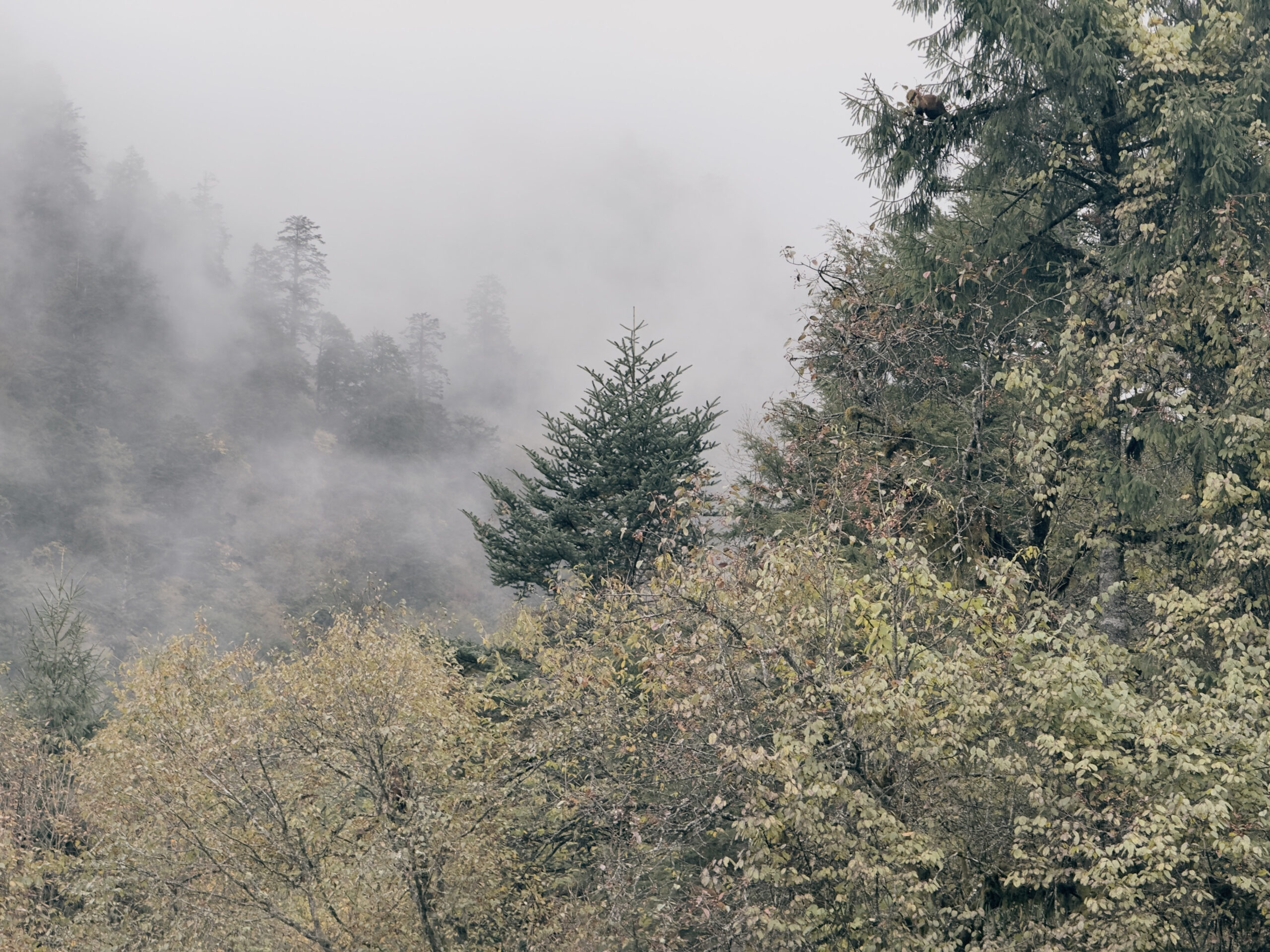
Rain, low cloud and sudden cold can make steep forest trails slippery and observation difficult; plans must remain flexible and safety-focused.
Plan Your Stay
Walking and Terrain
Expect strenuous hikes over steep, uneven forest trails with elevation changes; good fitness is essential for longer wildlife searches.
Access
Use only authorized trails and observation areas; verify guiding arrangements, protected-area restrictions and mountain conditions before every field search.
When to Go
Choose dates around permitted access, safer trail conditions and weather; spring or autumn may work, but no season guarantees wild panda sightings.
Travel Rhythm
Beyond tourist viewpoints, permitted forest routes can feel remote; expect limited facilities and prioritize low-impact, regulation-compliant wildlife observation.
Related Journeys
Wildlife
FROMUS$525
2 Days Red Panda Search on Wawu Mountain
A compact two-day escape from Chengdu to Wawu Mountain, combining a relaxed foothills stay with guided wild red panda tracking along forest trails before returning to the city.
Wildlife
FROMUS$950
3 Days Wild Red Panda Search in Labahe Forests
A three-day journey from Chengdu to Labahe for daytime red panda searches, broader wildlife observation, two evening night observations and an optional Tianquan Wetland Park stop.
Spring offers a potential weather-flexible search window, but fog and rain affect visibility; no season can guarantee a wild panda encounter.
Summer
Dense vegetation and frequent rain can make wild panda searches more demanding; access and sightlines vary substantially with local conditions.
Autumn
Colorful forest scenery adds interest to autumn journeys, but attractive conditions do not establish a higher probability of wild giant panda sightings.
Winter
Cold weather, snow and ice may restrict access and safe observation; route decisions must be made conservatively with local information.