
A relaxed Sichuan capital shaped by pandas, teahouses, historic sites, and one of China’s great food cultures.
March–May and October–November
Giant pandas, Sichuan food and teahouses
Pandas, food, teahouses and historic Chengdu
3–4 days
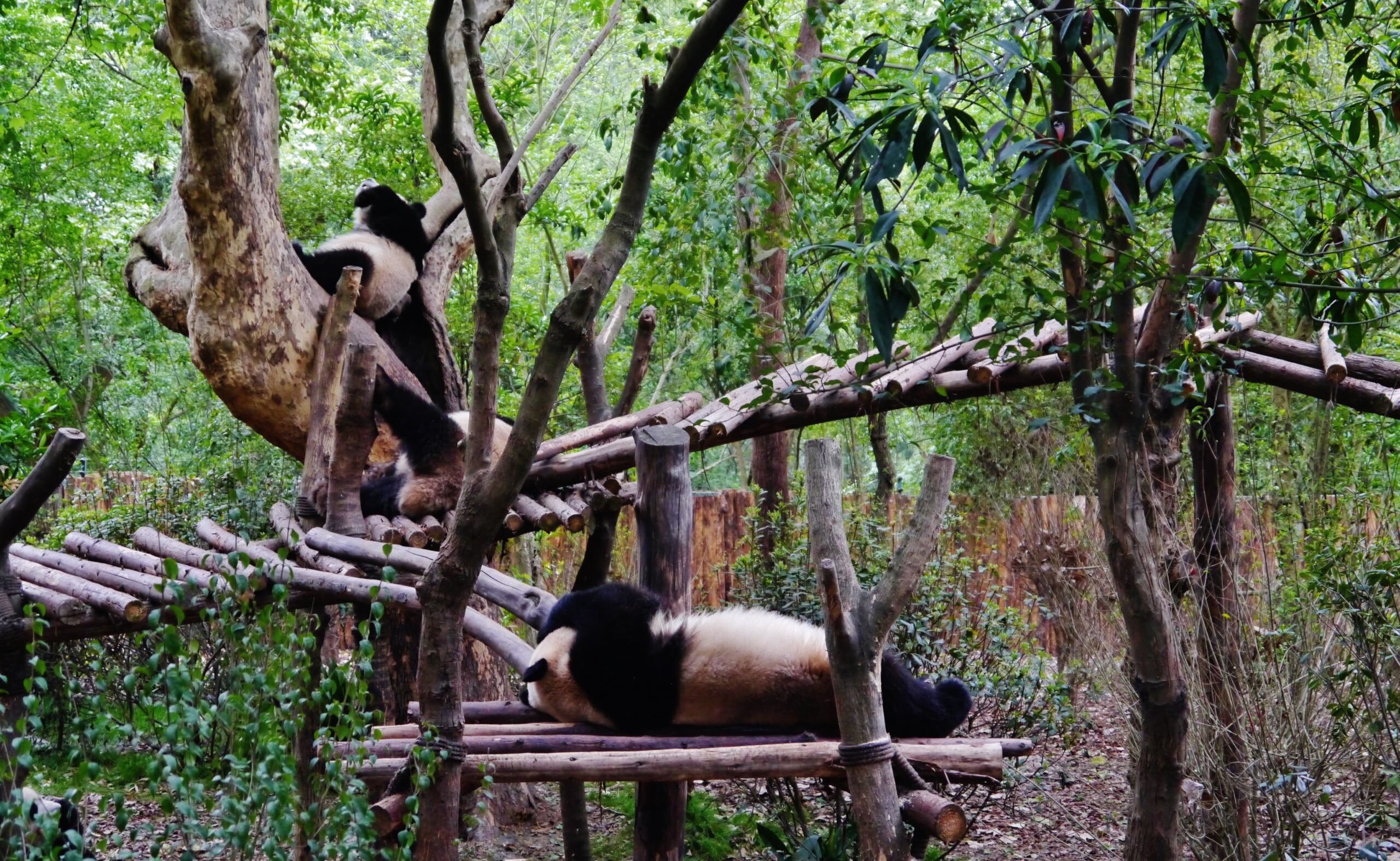
Chengdu is a clear place to experience Sichuan culture at city scale. Its identity is tied to food, from everyday snacks and hotpot to a culinary tradition recognized by UNESCO, which has listed Chengdu as a Creative City of Gastronomy since 2010. The city also gives travelers direct access to the Chengdu Research Base of Giant Panda Breeding, making panda conservation and public education part of the destination rather than a distant side trip.
What makes Chengdu especially useful in an itinerary is the contrast between a large modern capital and a slower social rhythm. Teahouses, parks, temples, historic sites and dense food streets can be combined without treating the city as a single-attraction stop.
Chengdu sits in the Sichuan Basin and functions as the province’s capital, but a visit is best understood through neighborhoods and daily habits rather than administrative scale. Food is central: UNESCO describes Chengdu as a cradle and centre of Sichuan cuisine, while the city’s teahouses and parks provide a visible social setting for that culture.
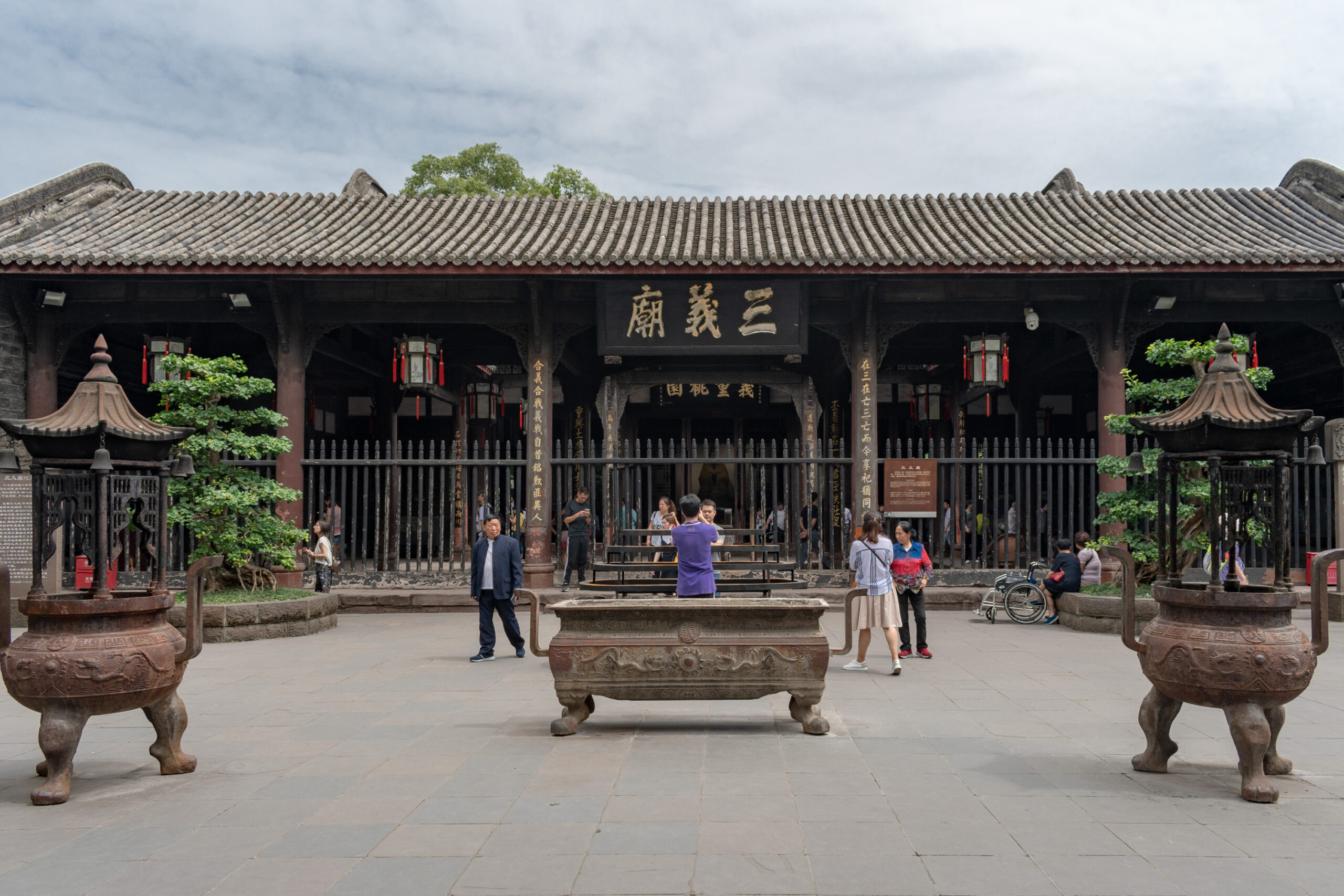
The panda base lies in the urban area rather than deep in the mountains, so it can be paired with city experiences in the same stay. Historic and cultural stops such as Wuhou Shrine add another layer, connecting present-day Chengdu with the long literary and political memory associated with Sichuan.
A Chengdu stay can move easily between wildlife, food and city culture. The panda base is the headline stop, while teahouses, parks, Sichuan meals and historic sites create the fuller experience. Most days are urban and flexible rather than expedition-like, but popular attractions can be busy and humid or hot weather changes the pace. The city works especially well for travelers who want one destination to combine a major wildlife institution with food-focused exploration and relaxed time between sights.
Chengdu works best as a cultural anchor rather than only a panda stop. It can combine a major conservation attraction with Sichuan food, teahouse life and historic context in a compact urban stay. That mix makes the city useful before or after more demanding nature destinations, while still giving travelers a strong sense of regional identity.
Three days covers the panda base and a focused city introduction; four days gives more room for food, teahouses and slower neighborhood time.
Chengdu’s basin climate is often cloudy and humid. Summer rain and heat can slow outdoor plans, while winter can feel damp despite modest temperatures.
Expect steady urban walking each day, with longer distances inside the panda base and around large park or temple compounds.
Chengdu is a major transport hub; key sights are spread across the city, so metro and taxi transfers are commonly combined for efficient days.
Prioritize spring or autumn for easier walking. In summer, start the panda base early and leave room for heat or rain adjustments.
This is primarily an urban destination rather than a wilderness base; the panda base can feel busy, especially around popular viewing areas and holidays.
For a balanced city visit, spring and autumn usually offer the most comfortable conditions for walking and outdoor sightseeing. Summer can work with early starts and indoor breaks, while winter is quieter and cooler but often grey and damp.
Spring is mild enough for long city days, with seasonal flowers across parks and public gardens. Rain is still possible, but temperatures are generally comfortable for walking between neighborhoods and outdoor cultural sites.
Summer is hot, humid and the wettest part of the year, so early starts, water and flexible indoor breaks are useful. Heavy rain can disrupt outdoor pacing even when city transport continues normally.
Autumn generally brings comfortable city temperatures and less intense heat, making walking, food exploration and outdoor sightseeing easier. It is one of the most practical seasons for mixing the panda base with longer city days.
Winter is cool, often cloudy and comparatively dry; city sightseeing remains practical, though mornings can feel damp and chilly. Museums, restaurants and teahouses help when grey weather reduces the appeal of long outdoor stretches.
Travelers who want pandas without giving up food and urban culture, and who prefer a flexible city base with many low-complexity experiences, short transfers and room to slow down between major sights.
Travelers seeking wilderness, solitude or a tightly packed landmark checklist may find Chengdu’s strengths too urban, social and deliberately slow-paced, especially if they are not interested in food, tea culture or everyday city life.
Panda photography depends on animal activity, viewing position, crowds and light, so strong images are never guaranteed. City photography is easier to pace, but teahouses, markets and parks reward patience, respectful distance and attention to ordinary moments.
Compared with faster, monument-led Chinese city stops, Chengdu is more about accumulated atmosphere: food, parks, tea and everyday social life, with the panda base providing a major single attraction. It suits travelers who value regional character over a rapid sequence of iconic monuments.
City facilities are extensive, but summer heat, humidity and attraction crowds can make otherwise easy days feel more tiring than the distances suggest.