A Wolong panda volunteer experience begins early and ends with a clearer understanding of how giant pandas are cared for and protected.
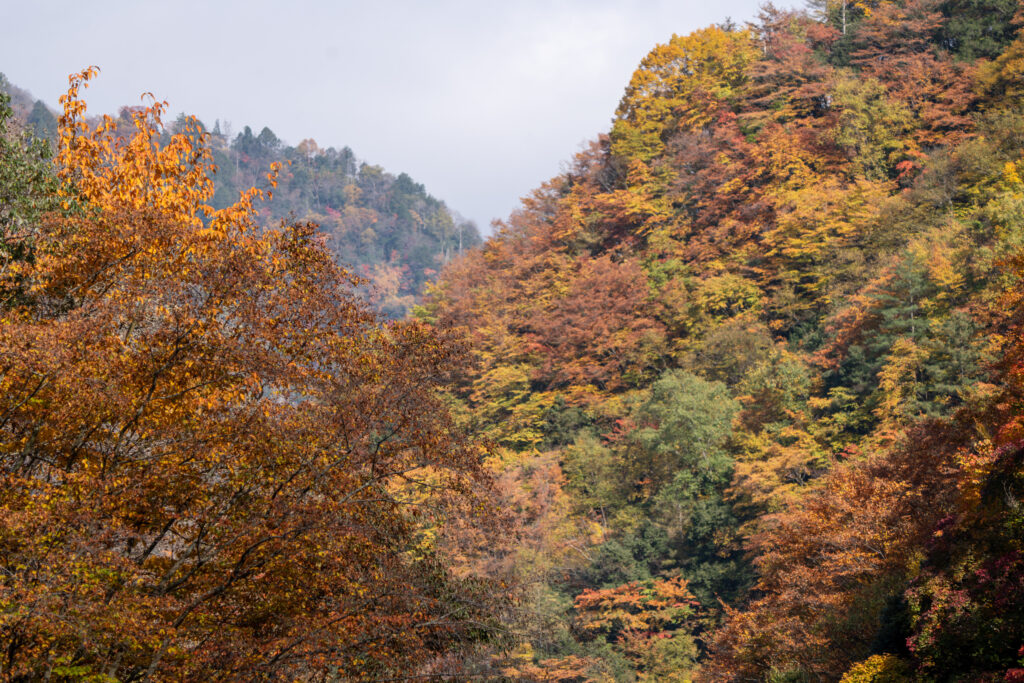
Most days start at around 7:00 AM with a drive from Chengdu to Wolong. The journey takes about two hours, gradually leaving the city behind for the mountains and forests associated with giant panda habitat.
Why choose Wolong?
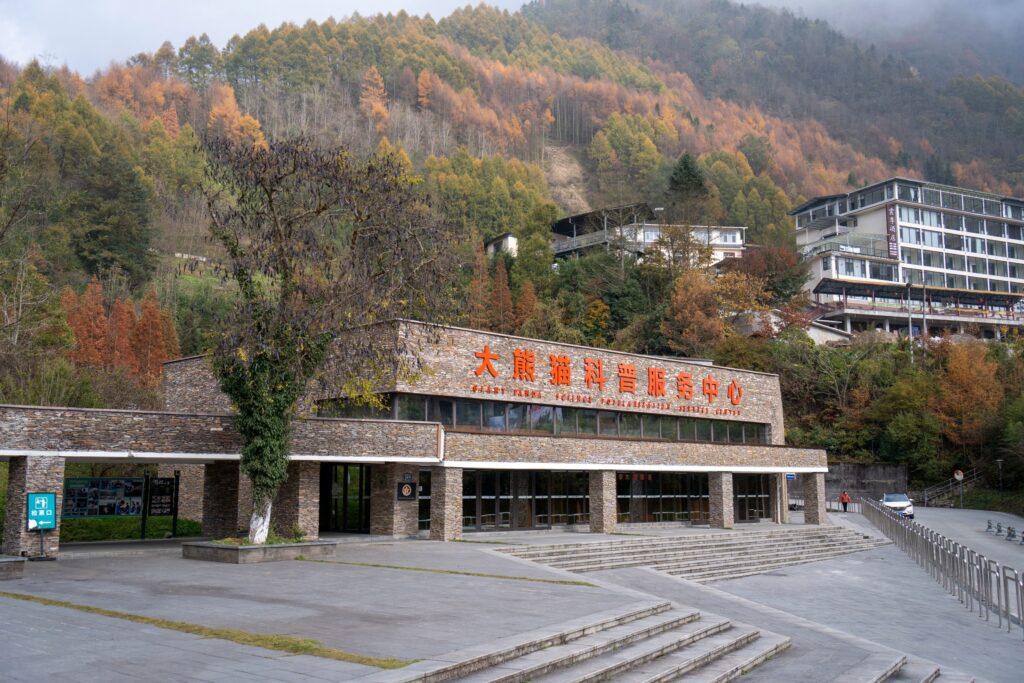
Wolong offers a stronger connection to the natural environment of the giant panda. For travelers looking for a panda volunteer China experience, the setting provides more context than a short visit to a city attraction. The landscape helps explain why habitat protection is central to panda conservation.
Visit the giant pandas
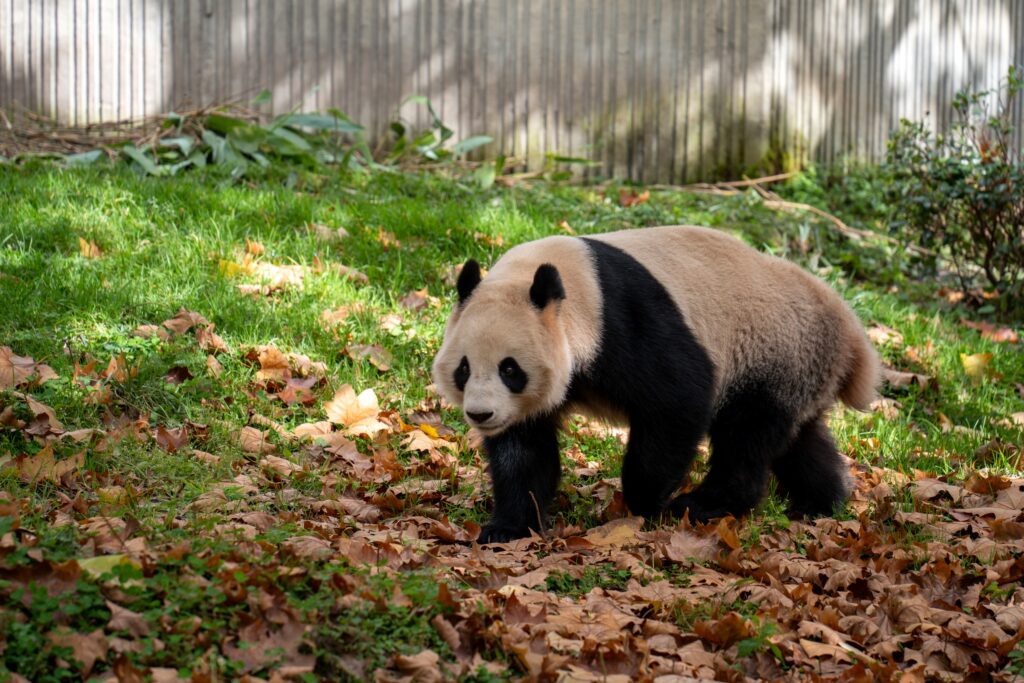
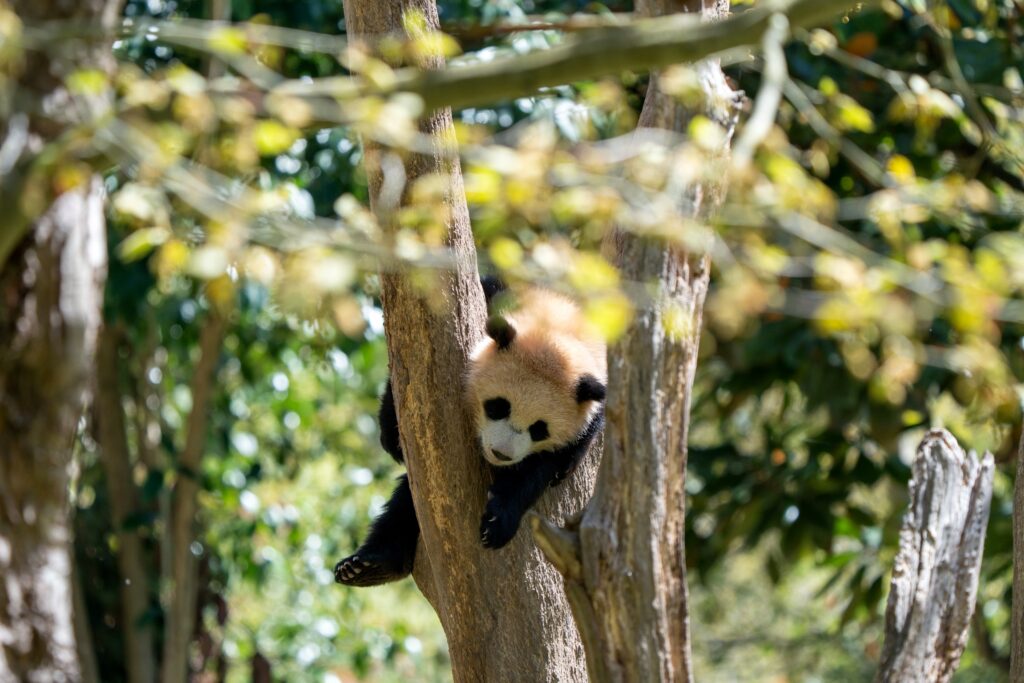
After arriving, the group usually begins by visiting the giant pandas. This first viewing introduces their daily rhythm, from eating bamboo to resting and moving around their enclosure. The timing remains flexible because the programme follows the day’s arrangements and the pandas’ condition.

Learn from the keepers
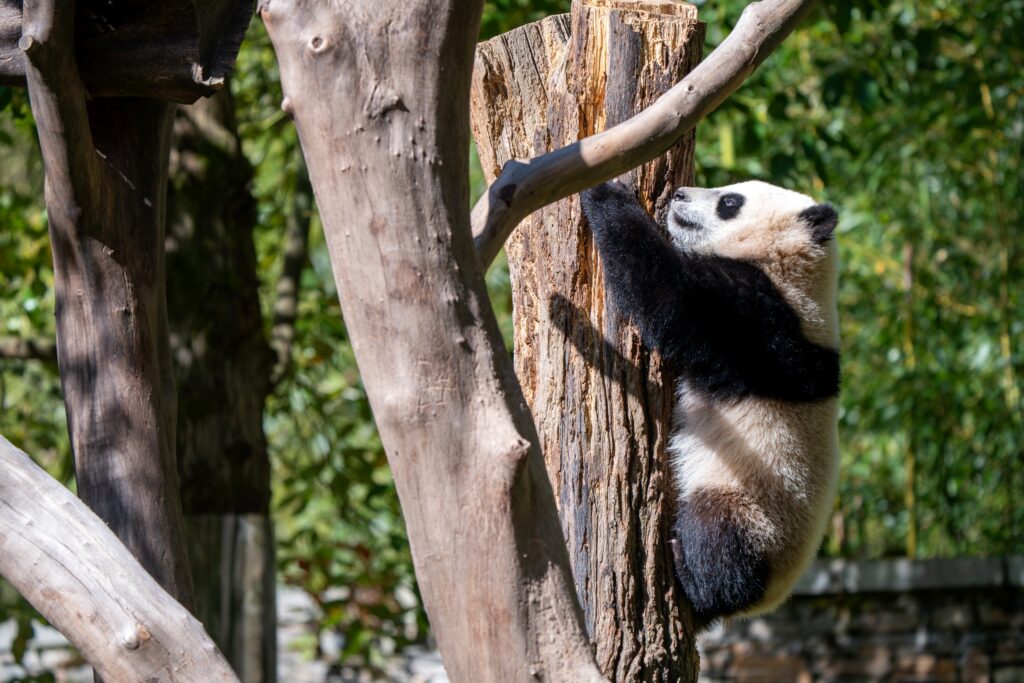
At the arranged time, volunteers enter the inner area with the keepers. The focus is on observing how pandas are fed, learning about their habits and understanding the methods used at the base to care for them.

Prepare bamboo and learn about field tracking
Volunteers help prepare bamboo by breaking the stalks, gaining a practical sense of the work behind each feeding session. They also learn how researchers track pandas in the wild. Because wild pandas are difficult to observe directly, signs such as droppings can provide valuable information about their diet, movement and condition.


Afternoon activities
After lunch and a short rest, the afternoon continues with a practical activity. Depending on the day’s arrangement, volunteers may cut bamboo leaves to prepare food for older pandas, make a panda-themed souvenir fan or take part in a food-making session.
The group may prepare panda cakes and wotou, a supplementary food used in panda care. Bamboo remains the main part of a giant panda’s diet, while wotou can provide additional energy and nutrients according to an individual panda’s needs.


Documentary and volunteer certificate
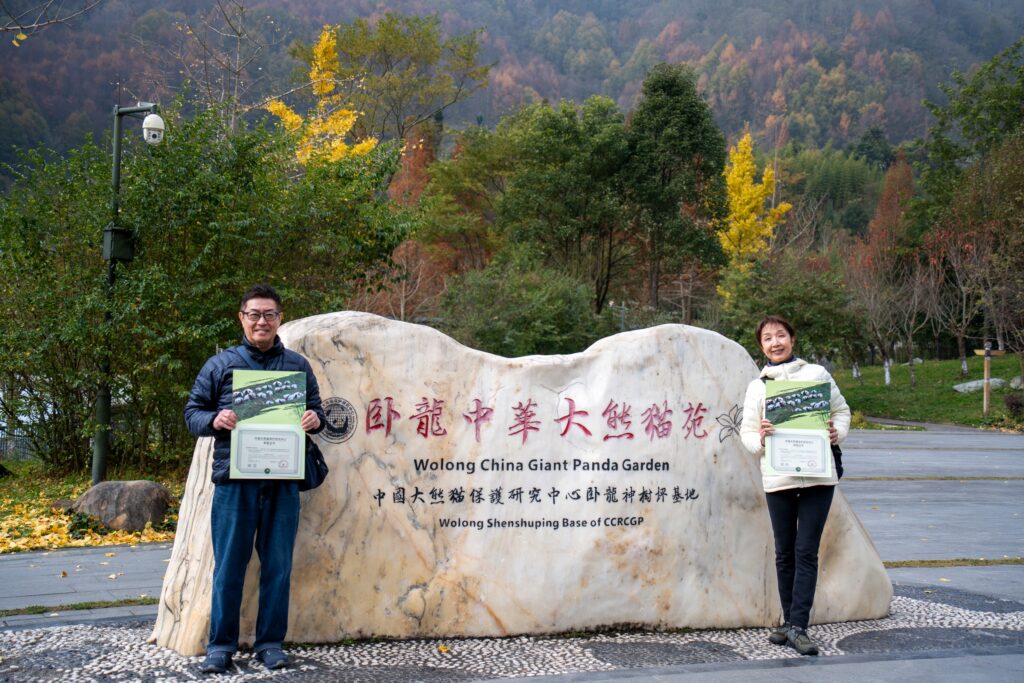
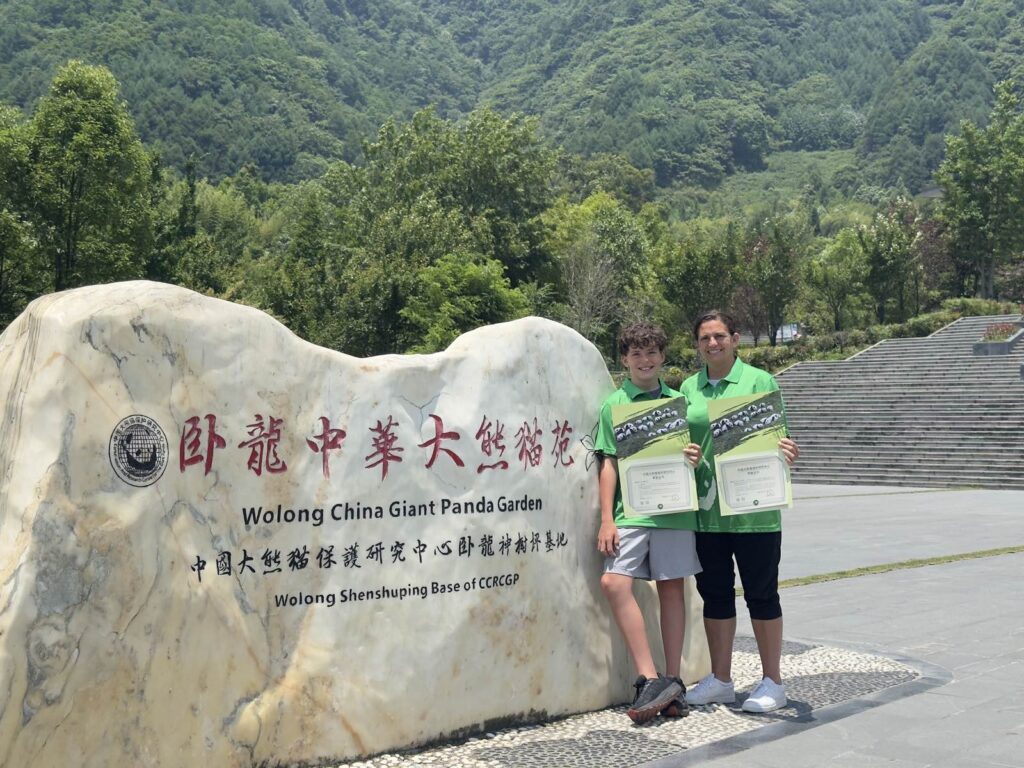
The day usually closes with a giant panda documentary, bringing together the subjects covered during the experience, including habitat, feeding, field tracking and conservation. Participants then receive a volunteer certificate as a record of the day.
Who is this experience for?
A Wolong panda volunteering experience suits travelers who want to look beyond a brief panda viewing visit. It works particularly well for wildlife enthusiasts, families, photographers and visitors planning a thoughtful China panda tour from Chengdu.
The day is built around simple tasks, careful observation and practical learning. Together, they show how feeding, monitoring, research and habitat protection form part of the wider work of giant panda conservation.