China Guides

Tracking Snow Leopards in Qinghai: What Wildlife Travelers Should Expect

A snow leopard may be the reason to travel to Qinghai, but the journey works best when you understand it as a broader search across the Tibetan Plateau.
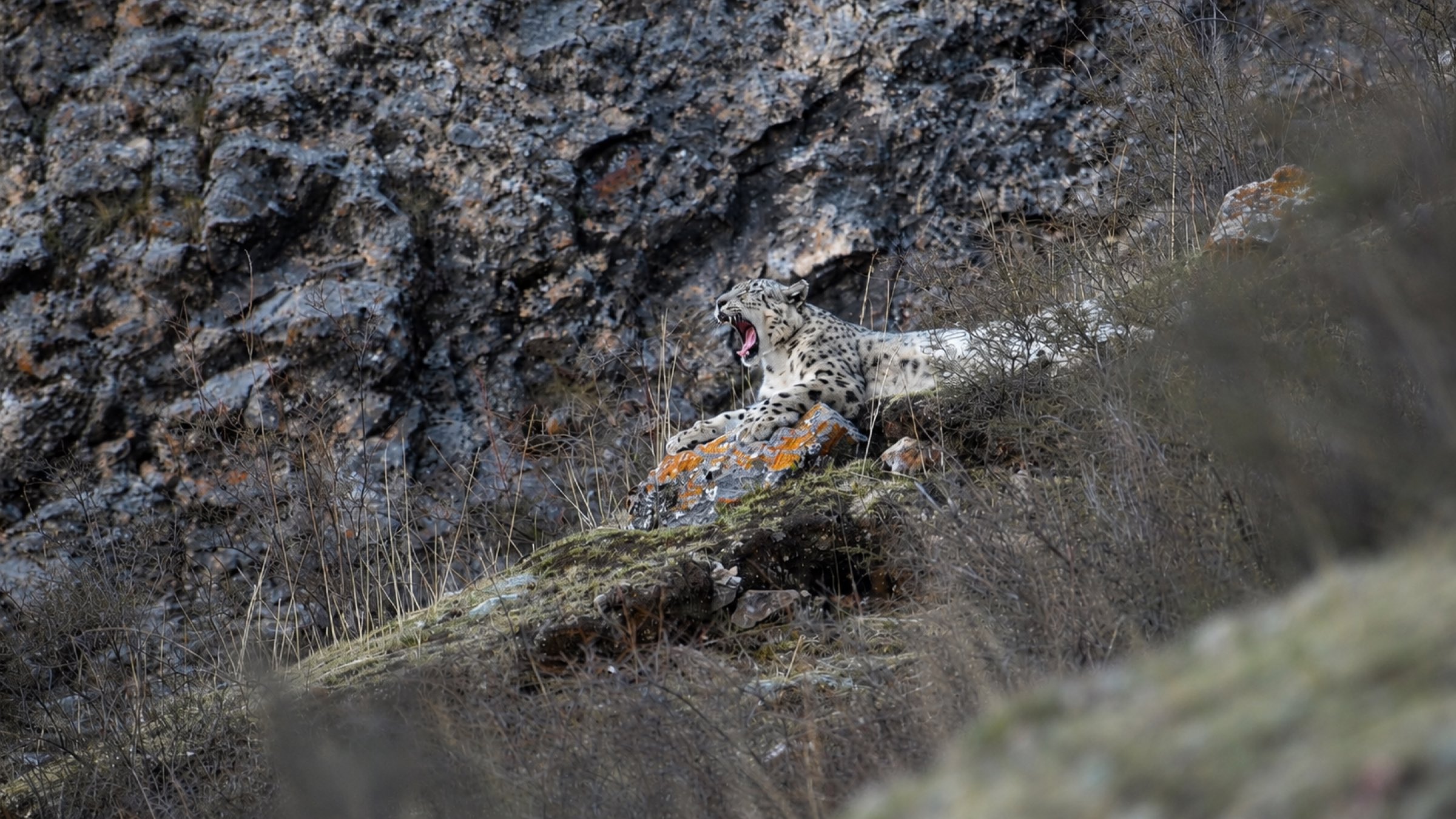
Snow leopard yawning while resting on a rocky slope
THE STORY

A typical day can begin beside a road or valley edge, with scopes pointed at broken ridges that seem empty at first. The search is slow and visual: guides study rock lines, cliff bands and movement on distant slopes, sometimes for long periods before anything resolves into an animal.

That pace matters because snow leopard sightings are never predictable. A cat may appear far away, briefly, or not at all on a particular day. Qinghai is still compelling because the search takes place in a landscape with a wider community of high-altitude wildlife, from blue sheep and wolves to Tibetan foxes and Pallas’s cats.

For international travelers, the useful question is not simply whether Qinghai has snow leopards. It does. The more important question is what kind of wildlife journey the province offers, and whether its combination of access, local knowledge and species diversity fits the way you want to travel.
Why Qinghai Works for a Snow Leopard Search

China contains a major share of the snow leopard’s global habitat, and Qinghai includes extensive high-altitude range within that wider distribution. That makes the province important for conservation as well as wildlife travel.

In practical terms, however, habitat significance does not translate into easy sightings. Snow leopards use ridges, cliffs and broken slopes that can make them difficult to detect even when they are present. Observation is often distant, and success depends on repeated scanning, patience and the ability of local guides to read the landscape.

This is why a well-designed Qinghai trip should not be sold as a guaranteed big-cat encounter. The stronger approach is to build enough time into the journey for repeated searches, while treating every sighting as part of a larger plateau ecosystem rather than the only measure of success.

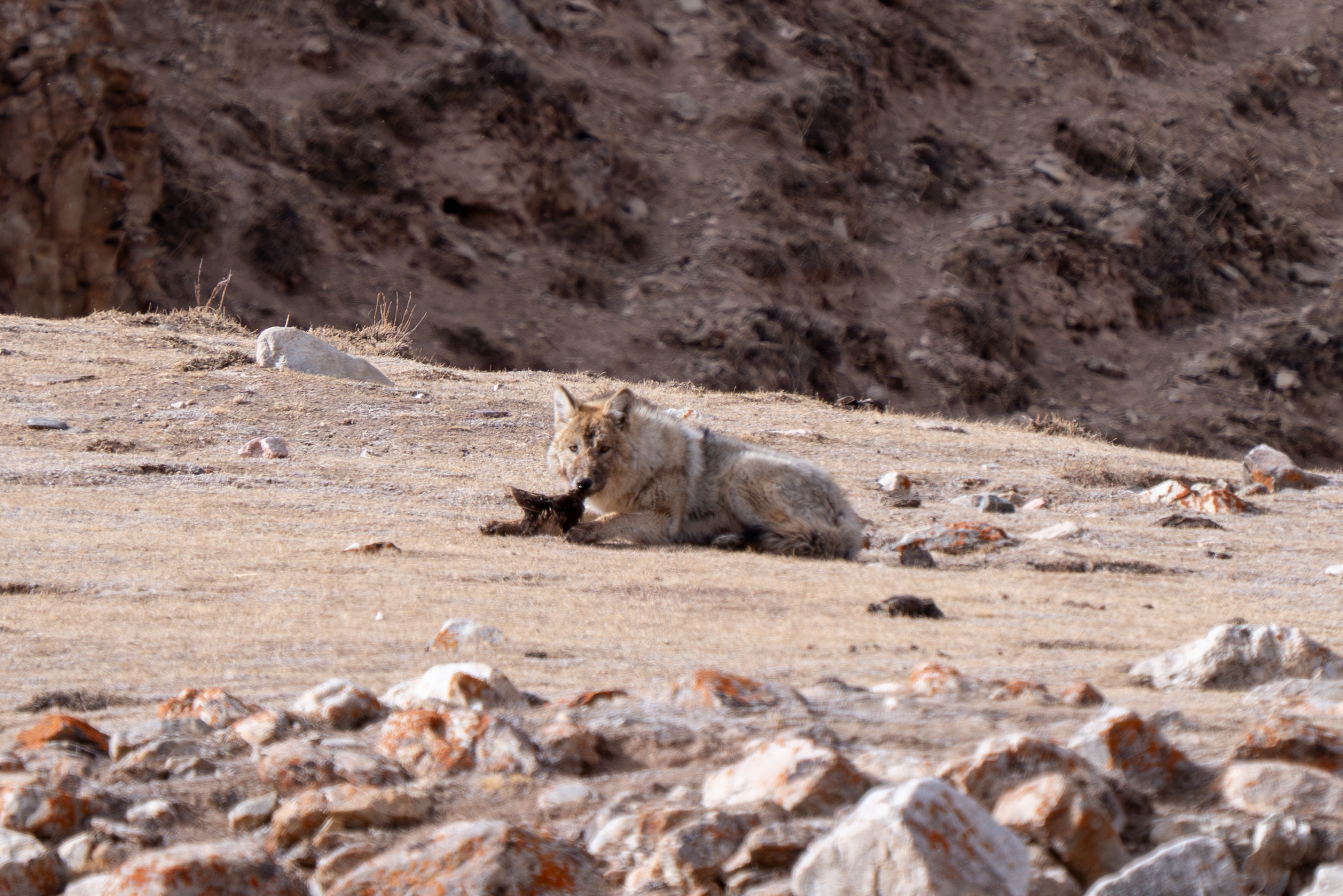
Wolf lying on rocky ground with a dark object nearby

The Wildlife Beyond the Snow Leopard

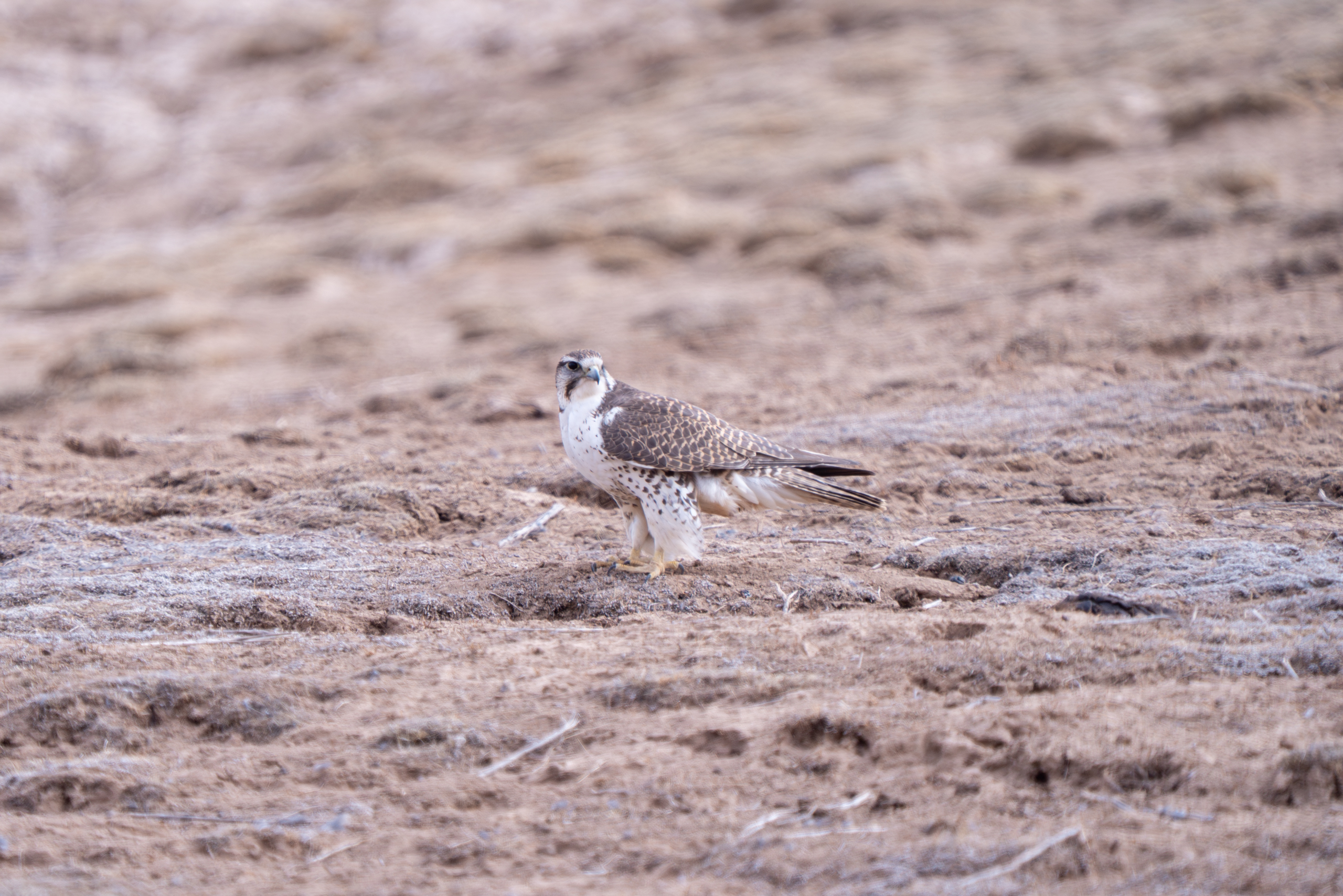
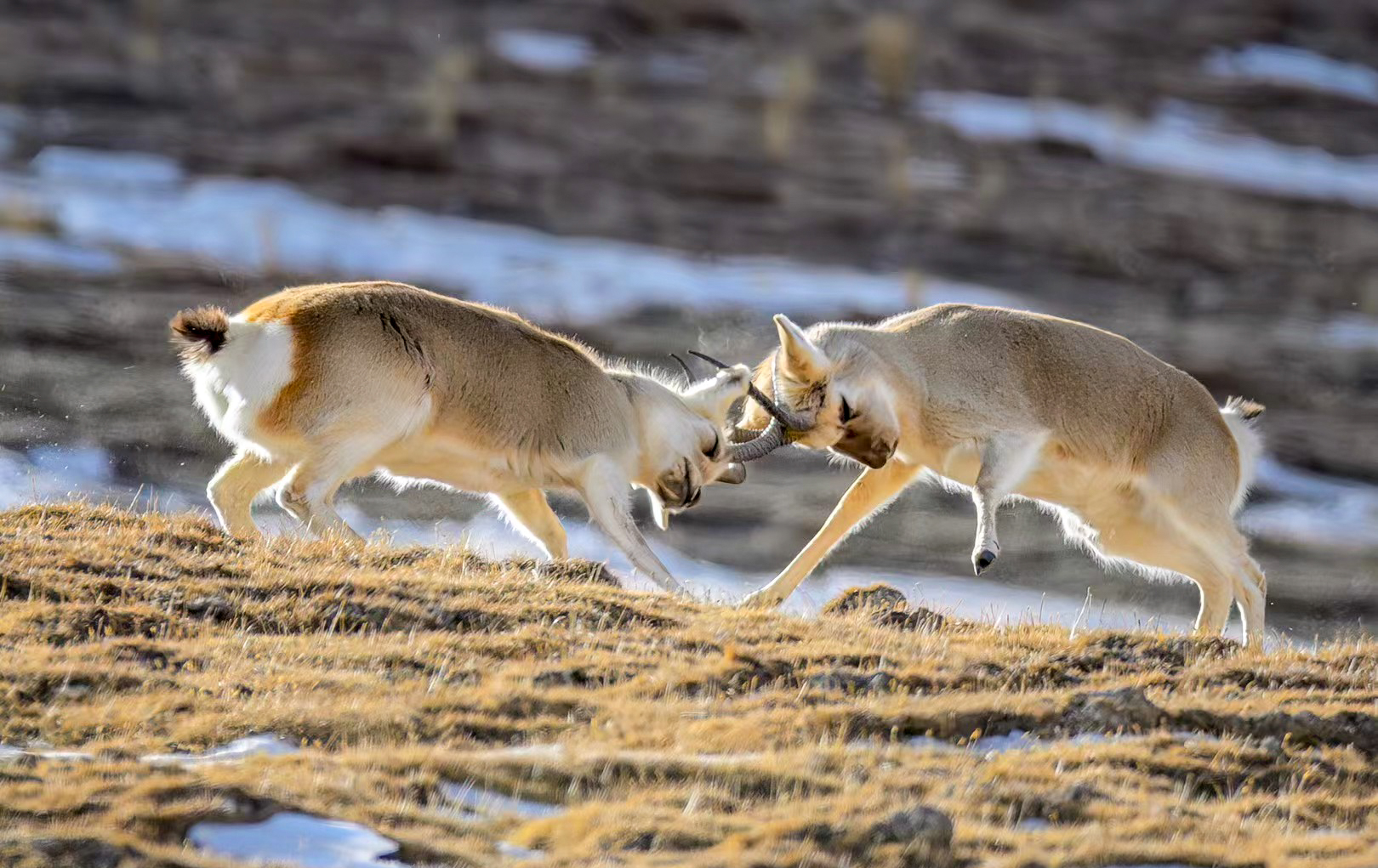
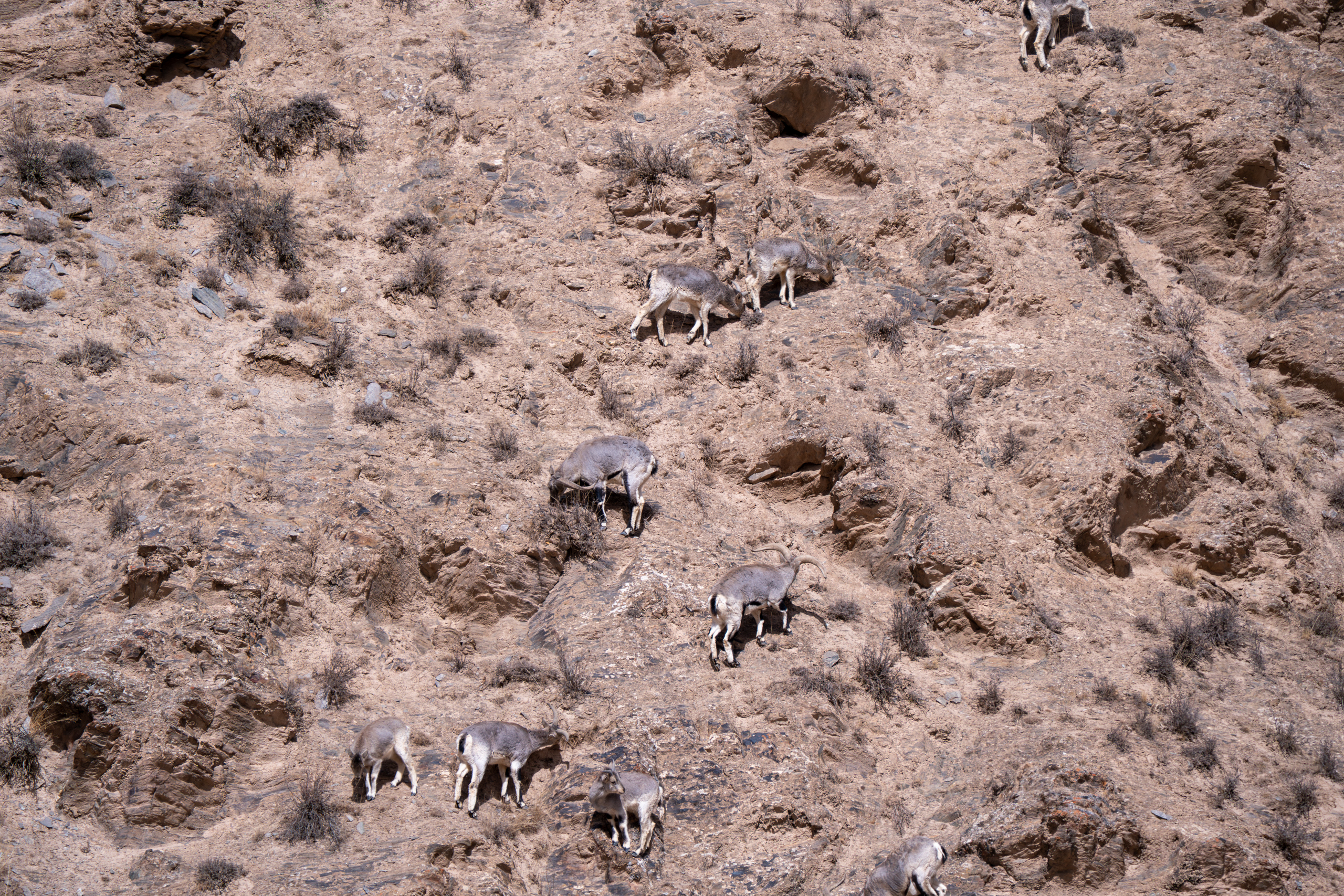
Blue sheep are especially important because they are a major prey species and are often part of the same landscape being scanned for snow leopards. Wolves may cross open valleys, while Tibetan gazelles and red deer can appear on gentler ground. Golden eagles, saker falcons and snowcocks add interest for birders.

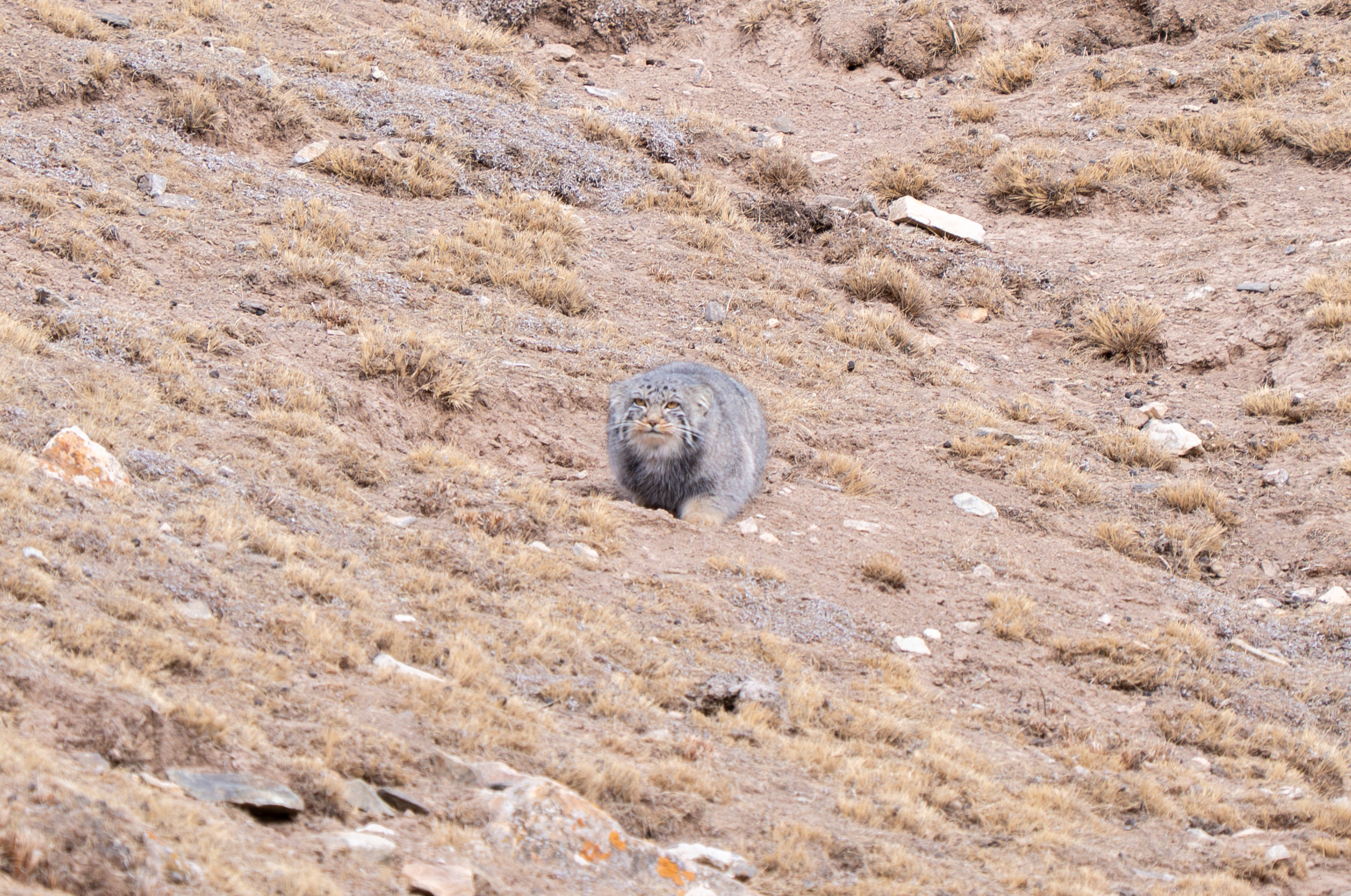
Two of the most engaging mammals are Tibetan foxes and Pallas’s cats. Both are closely associated with pika-rich ground. A fox may stand almost motionless before making a sudden leap, while a Pallas’s cat can flatten itself beside rocks or wait near a burrow. Those hunting scenes can unfold over long minutes, while a snow leopard sighting may be distant or brief.

Eurasian lynx are also present in parts of Qinghai, but they are particularly elusive. That makes them a bonus rather than a sensible expectation. The same applies to many plateau mammals: the value of the trip comes from variety and observation, not from trying to complete a checklist as quickly as possible.

Pallas's cat sitting on a dry grassy mountain slope

What Makes a Qinghai Wildlife Journey Different

Qinghai’s wildlife is also tied to a lived-in landscape. Snow leopards share space with herders, livestock and monasteries, so conservation is not simply about protecting empty wilderness. Monitoring, camera trapping and conflict-reduction work involve researchers and local communities, while local guides contribute knowledge built through years of moving through the same valleys.

For travelers, this creates a different experience from a remote expedition focused almost entirely on one species. Road access, domestic transport, local guesthouses and experienced field teams can make a Qinghai journey more accessible than some fly-in snow leopard expeditions elsewhere in Asia. Costs still depend on group size, vehicle use, altitude, season and accommodation, so “more accessible” should not be read as “easy” or “cheap.”

The trade-off is straightforward: you gain a broad wildlife journey with direct contact with a working conservation landscape, but you still need patience, tolerance for long periods of scanning and realistic expectations about distance and visibility.

What Makes the Search Worthwhile

The best reason to choose Qinghai is not that it offers a simple route to seeing a snow leopard. It is that the search reveals how much life is connected to the cat: blue sheep on the slopes, pikas in the grassland, foxes and Pallas’s cats waiting at burrows, local guides reading the terrain, and communities living alongside predators.

For PandaTraceChina, that is the point of the journey. The snow leopard remains the central goal, but the experience becomes richer when the plateau is allowed to be more than a backdrop.

In the distance stood a falcon
Two Tibetan gazelles sparring on a snowy high plateau
a group of blus sheep

Continue Exploring

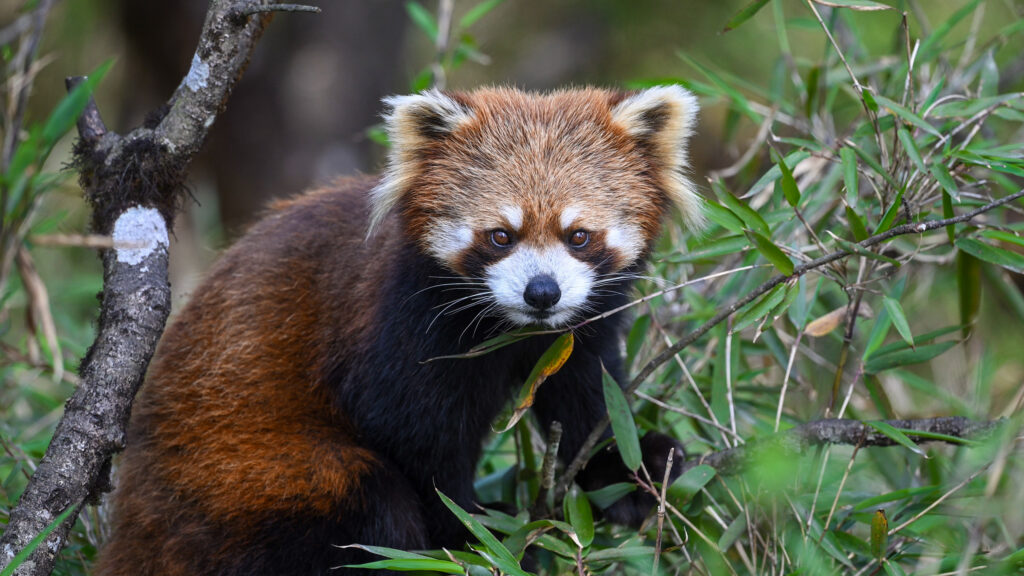
Close portrait of a red panda looking toward the camera

What a Red Panda Search Actually Looks Like in Sichuan

Searching for wild red pandas is less about covering distance than knowing where to look. In Sichuan, it means early starts, slow forest walks, scanning feeding trees and plenty of watching and waiting.
READ STORY →
Symmetrical courtyard and golden-roofed palace within Beijing's Forbidden City

China Travel Checklist

China is easy to enjoy once a few practical details are settled before departure. The country is large, transport is fast, and a journey may move from imperial cities to humid mountain forest or the high plateau within days. This checklist
READ STORY →
Red panda descending through thorny branches beside clusters of red berries

Where to See Wild Lesser Pandas in China

Sichuan is the sensible place to start because it holds the world's densest population of wild red pandas — roughly 3,000–3,400 animals, close to half of China's entire 6,000–7,000
READ STORY →