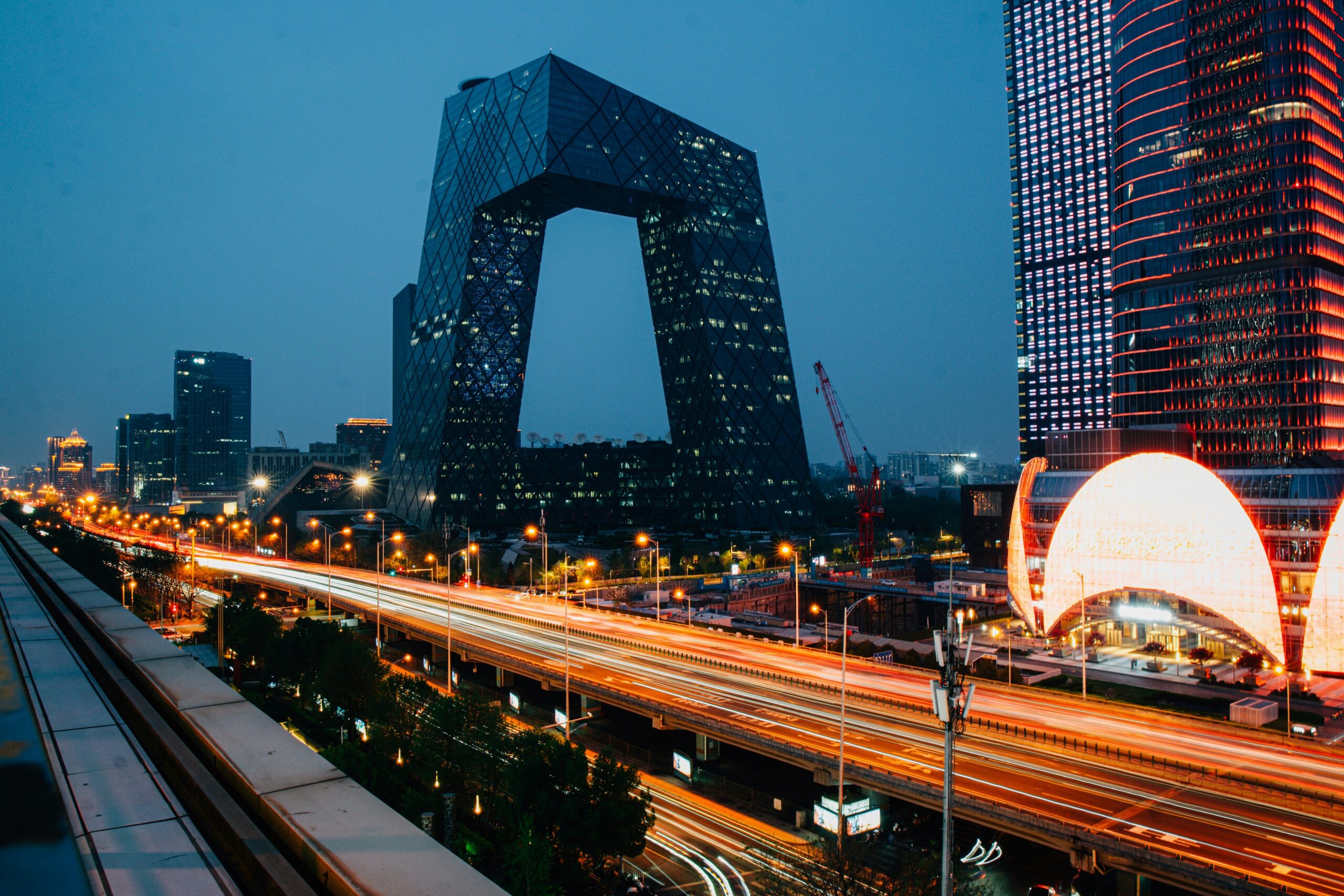
Beijing is a cultural gateway, with the Forbidden City, Temple of Heaven, hutongs and the Great Wall. It works well as an introduction to imperial China, but it is not primarily a wildlife stop.
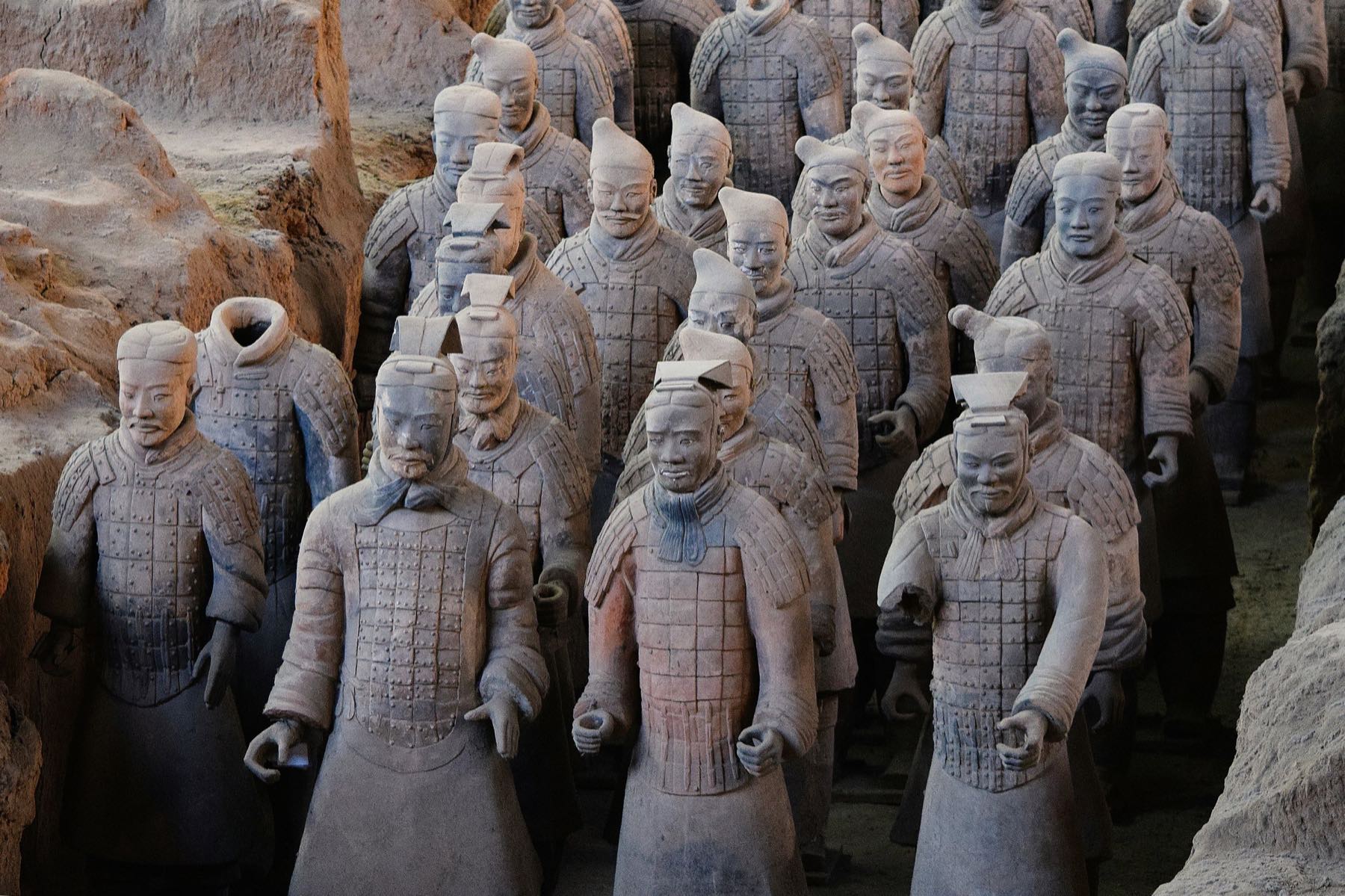
Xi’an combines the Terracotta Warriors, city walls, the Muslim Quarter and Silk Road history. It can also serve as a practical link between central China and routes farther west.
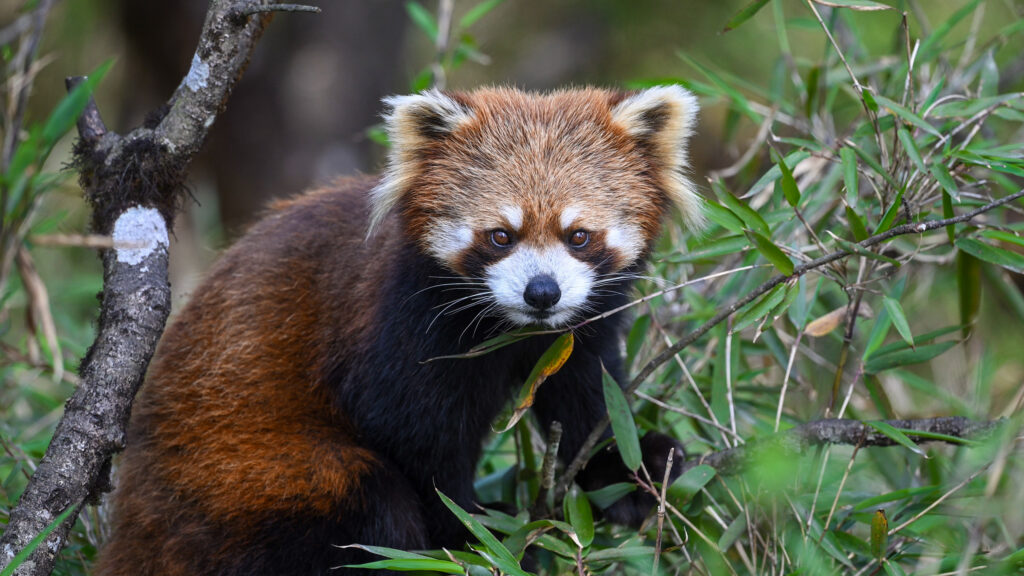
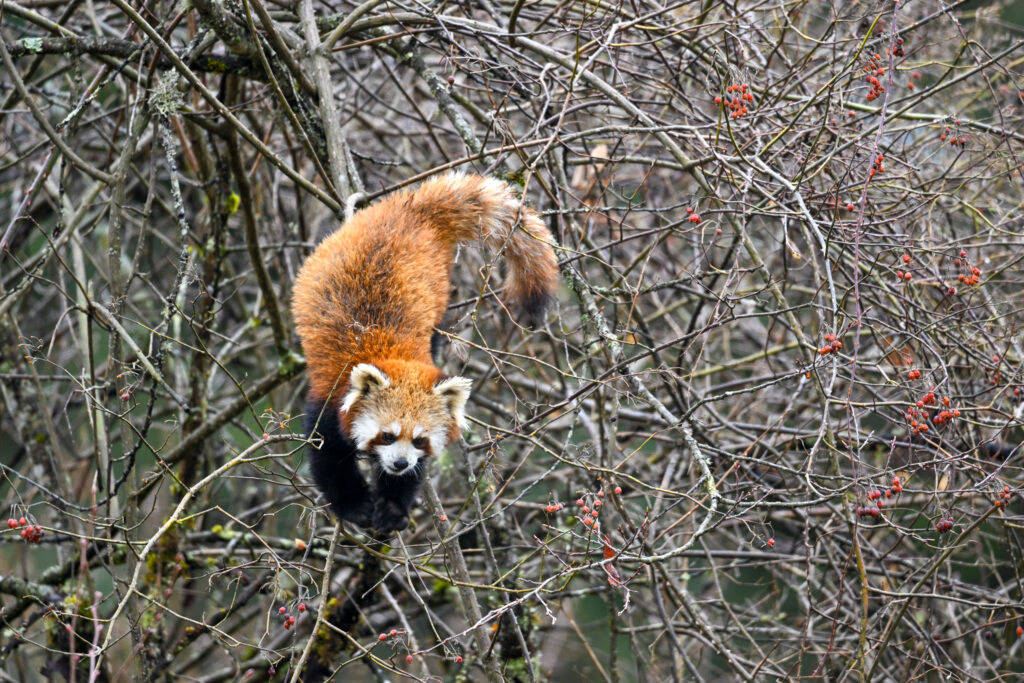
Chengdu brings panda culture, teahouses, Sichuan food and local life together. It is also a gateway to Wawu Mountain journeys or a separate Labahe search for wild red pandas.
Chongqing is mainly an urban and cultural experience, with mountain neighbourhoods, river views, hotpot and night scenery.
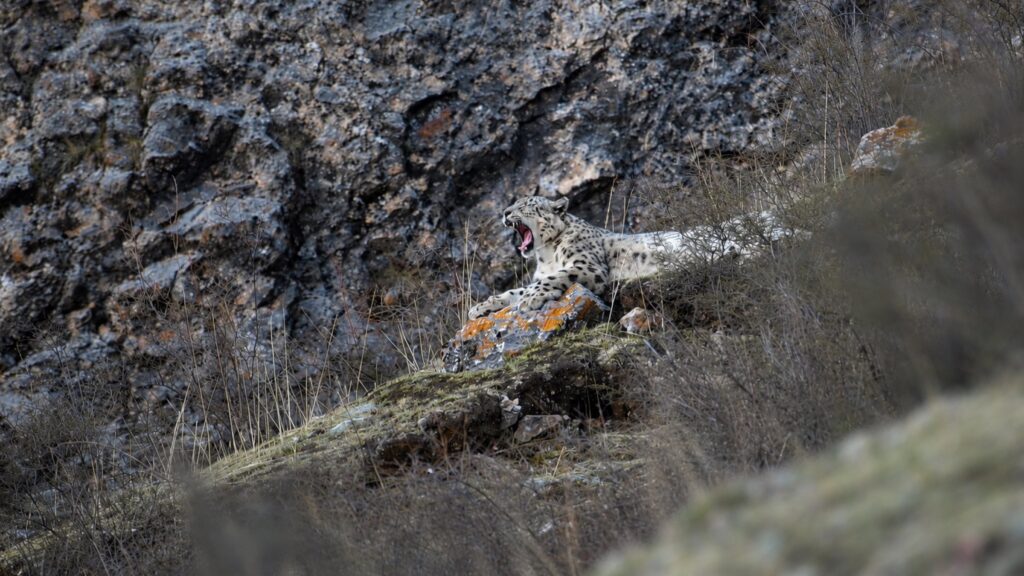
Qinghai shifts the journey towards high-plateau landscapes, monasteries and remote valleys. Specialist wildlife trips may focus on snow leopard, Pallas’s cat, Tibetan fox, wolf and blue sheep.
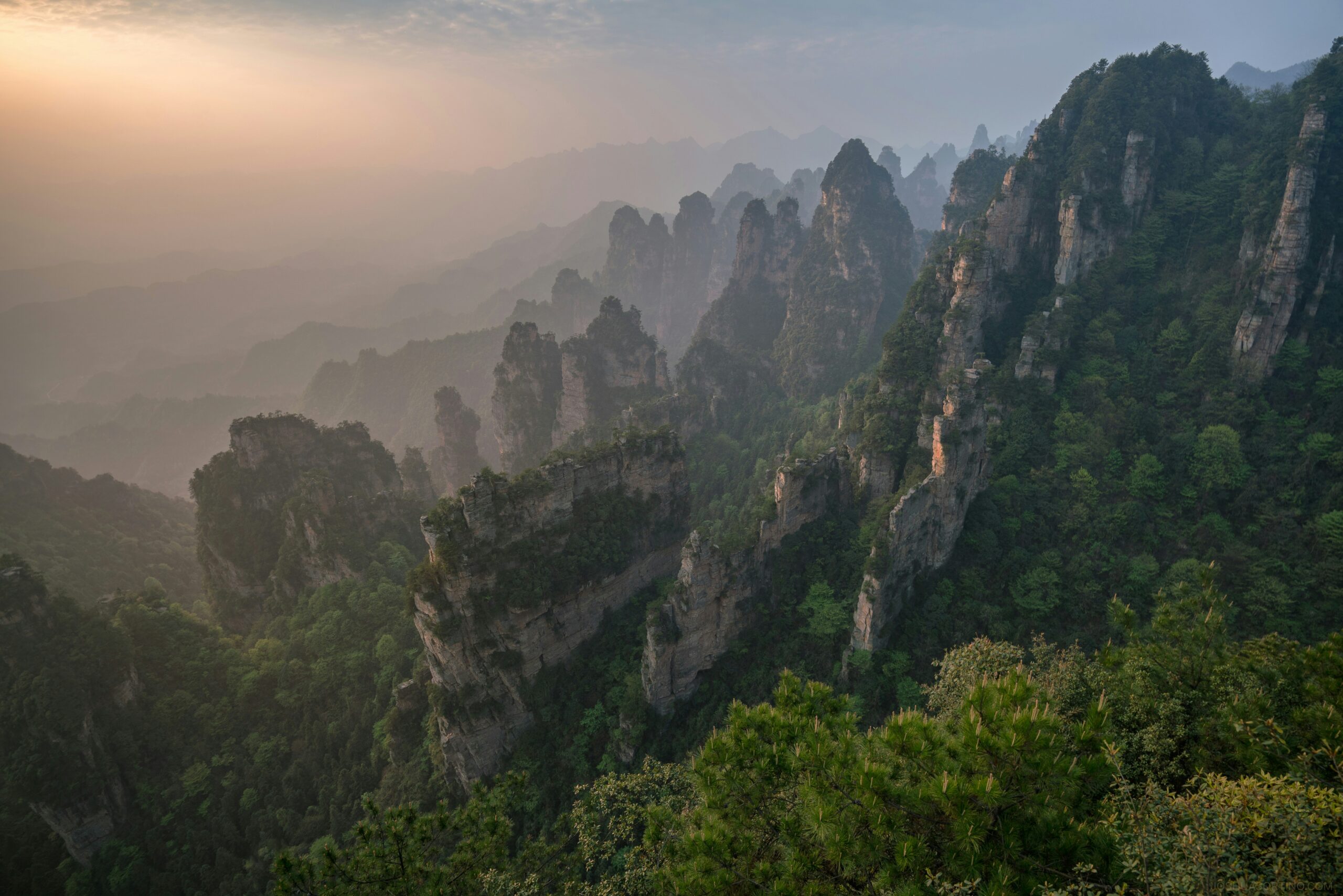
Gansu offers a different western experience, centred on the Hexi Corridor, Silk Road heritage, Zhangye landscapes and desert routes. Birdlife and broader nature interest vary by location and season.
Wildlife days should not be treated like museum visits. Weather, food sources and animal movement can change the schedule. A guide can read habitat and adjust the search, but an encounter cannot be guaranteed. Patience, distance and quiet observation are part of the experience.
Choosing a Route That Fits Your Priorities
Before leaving home, confirm your entry documents, insurance, payment backups, connectivity, train or flight details, suitable clothing and any altitude considerations.
Then choose the route by what you want to understand: imperial China in Beijing, Silk Road history in Xi’an and Gansu, urban energy in Chongqing, panda country around Chengdu, or plateau wildlife in Qinghai. The most useful itinerary is not the one with the most stops, but the one that gives each place enough space to feel distinct.