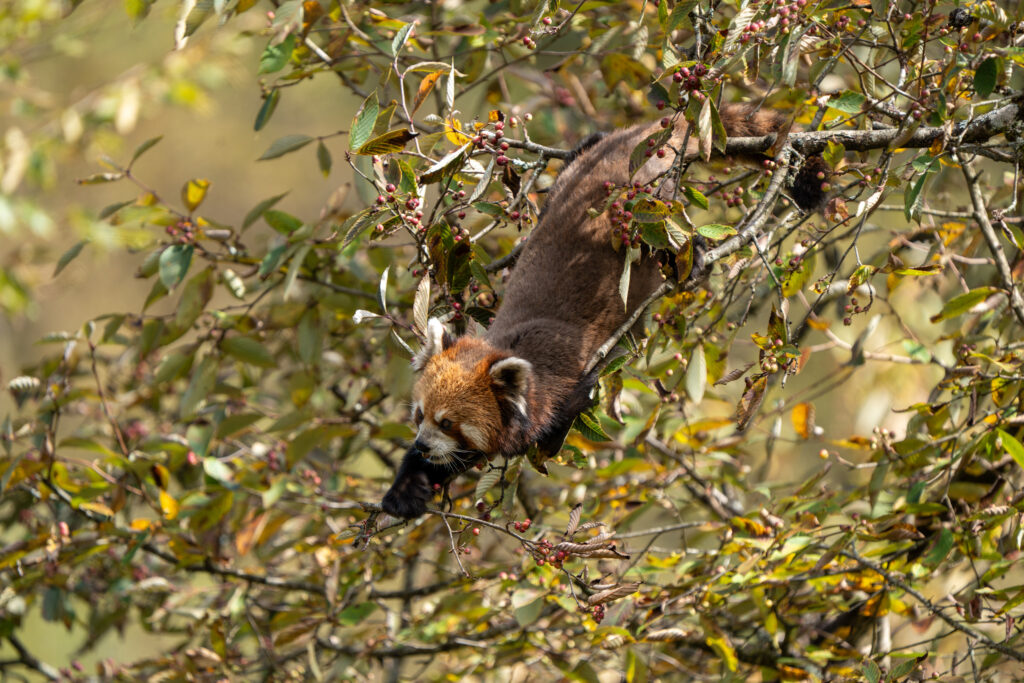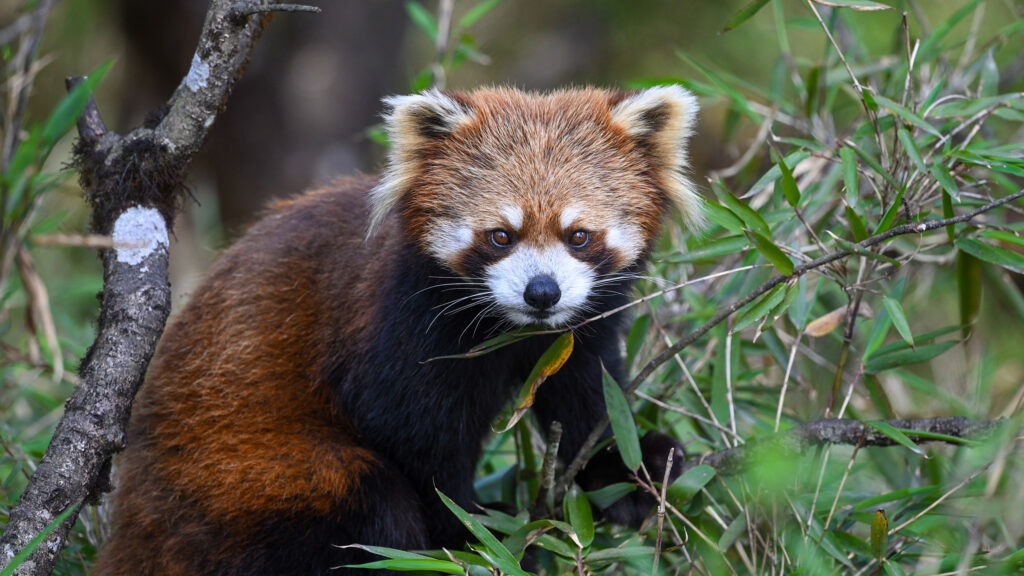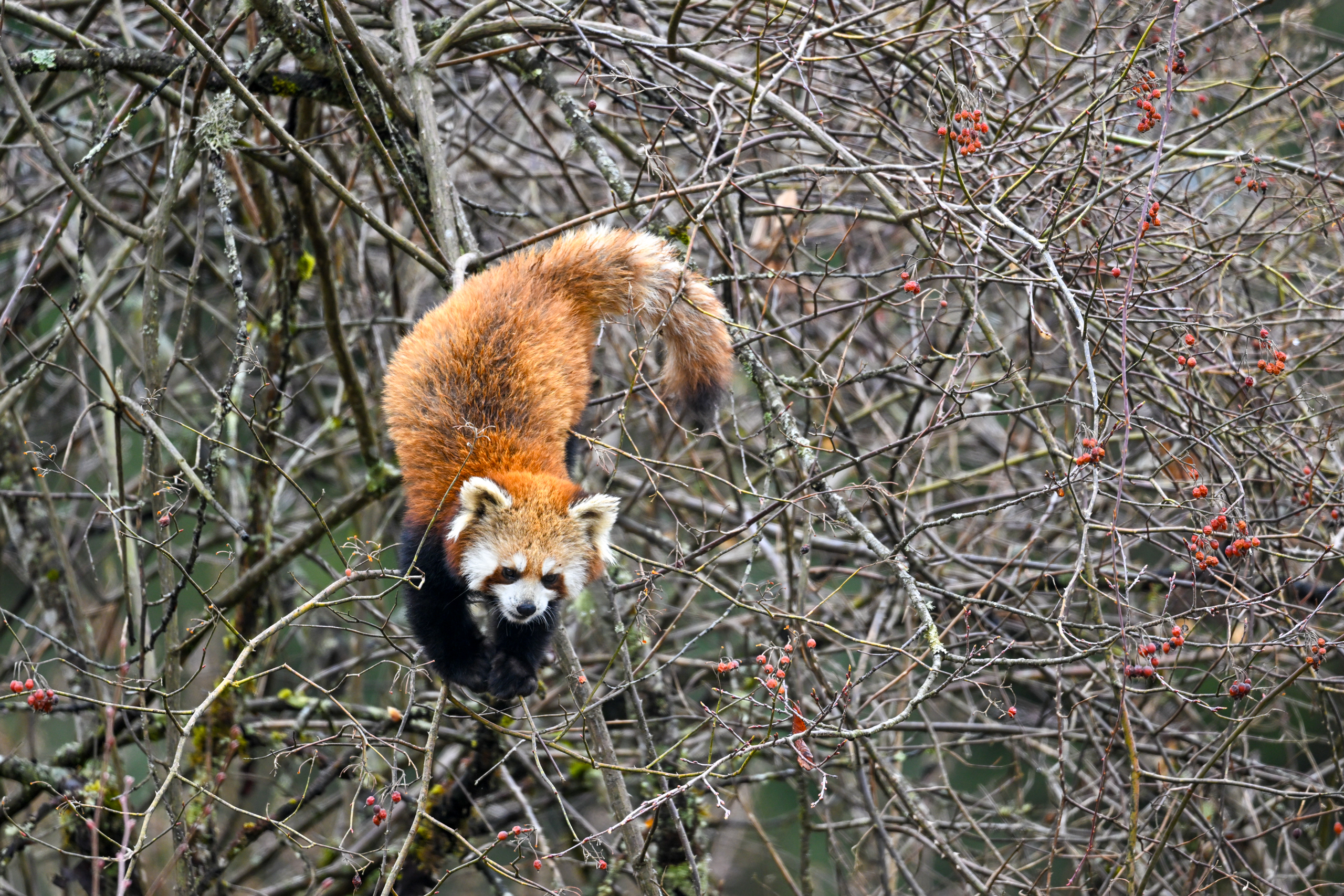
If you are trying to decide where to see wild red pandas in China, Sichuan is one of the most practical places to start. The province combines suitable mountain habitat with established access and experienced wildlife guiding, making it possible to plan a serious search without pretending that a sighting can be guaranteed.
Wild red pandas live across cool, forested parts of the Himalayas and southwest China. For travelers, what matters is not simply whether they are present, but whether a place offers suitable habitat, workable access and enough flexibility to respond to weather and animal activity.
That is why Labahe and Wawu Mountain stand out. They offer different kinds of field experience, and the better choice depends on how you prefer to search. The search still depends on patience and conditions in the forest.
Why Sichuan Is a Practical Starting Point
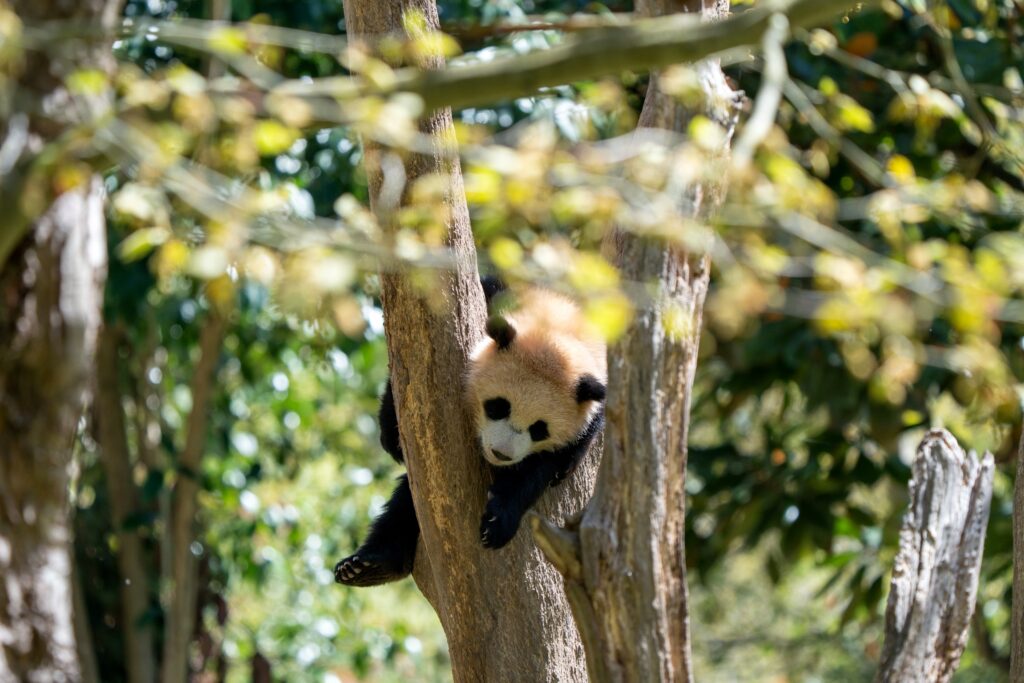
Western Sichuan is better known internationally for giant pandas, but it is also important red panda habitat. Research has identified suitable habitat across several mountain systems in the province, and a separate survey in Tianquan County, which includes the Labahe area, documented a local red panda population.
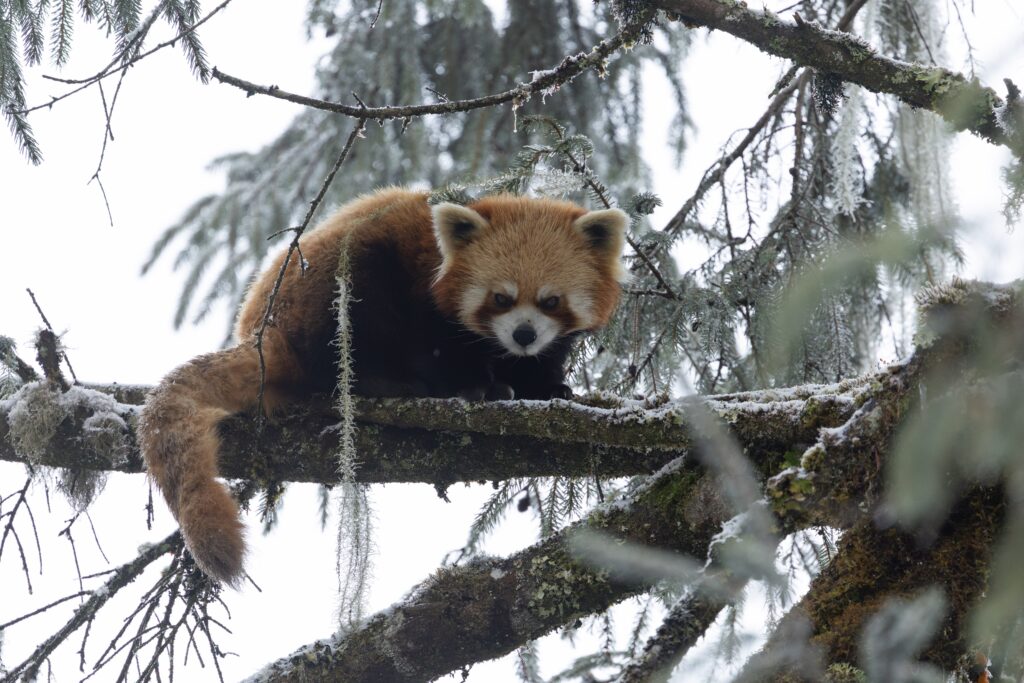
These findings do not translate into predictable visitor sightings. Red pandas can remain hidden in bamboo, mossy trees and mixed mountain vegetation even when conditions look good. A famous panda destination is not automatically a useful place for a wild search.
Sichuan’s advantage is practical. In places such as Labahe and Wawu Mountain, suitable habitat overlaps with roads, trails and local guiding knowledge. That makes it possible to change search areas when conditions shift and spend meaningful time in the forest.
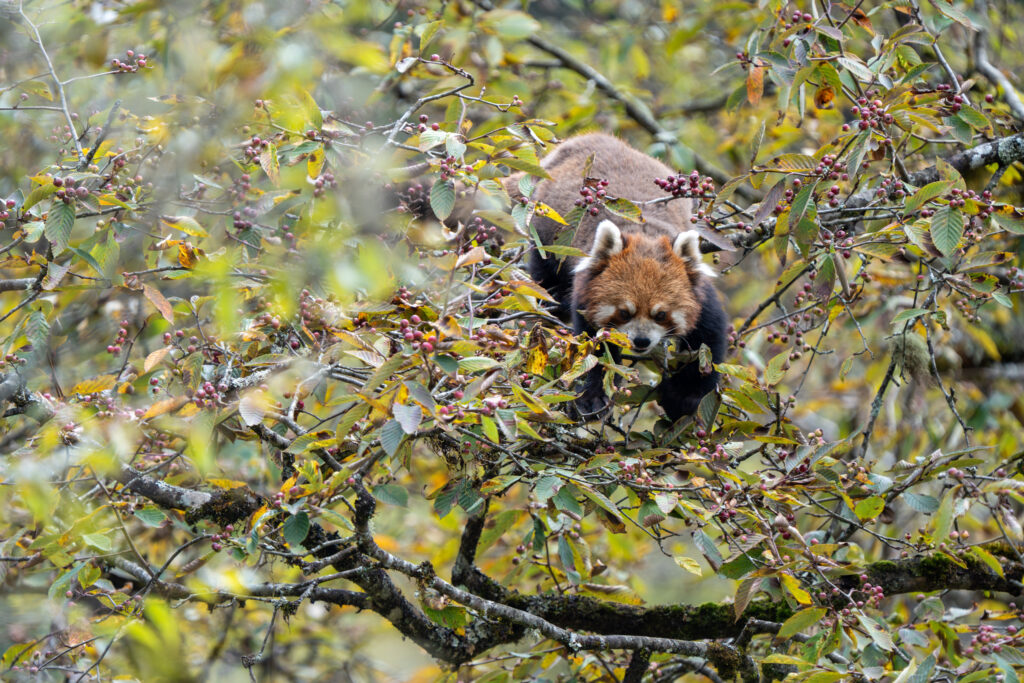
Labahe or Wawu Mountain?
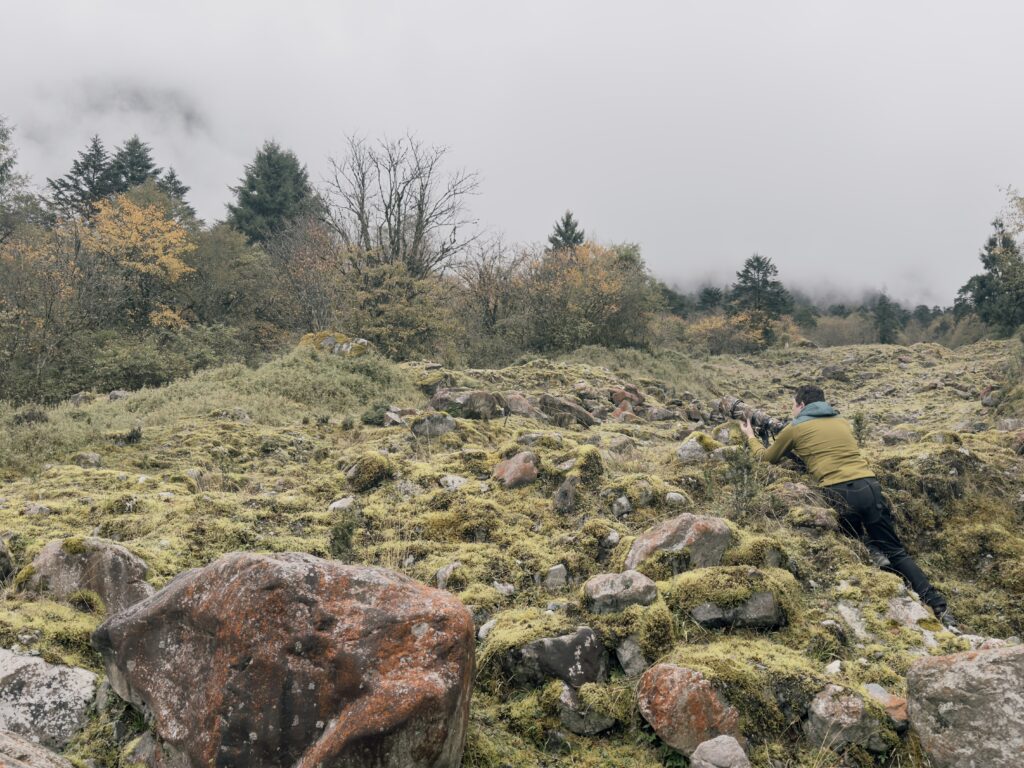
Labahe suits travelers who prefer a flexible search across different elevations and access points. Roads through the reserve allow a guide to check forest edges, bamboo areas and other promising sections without relying only on long trail walks.
It is also a good choice if red pandas are part of a wider wildlife interest. Giving the area more than one rushed attempt allows time to understand the landscape, revisit productive sections and adapt to mist or rain.
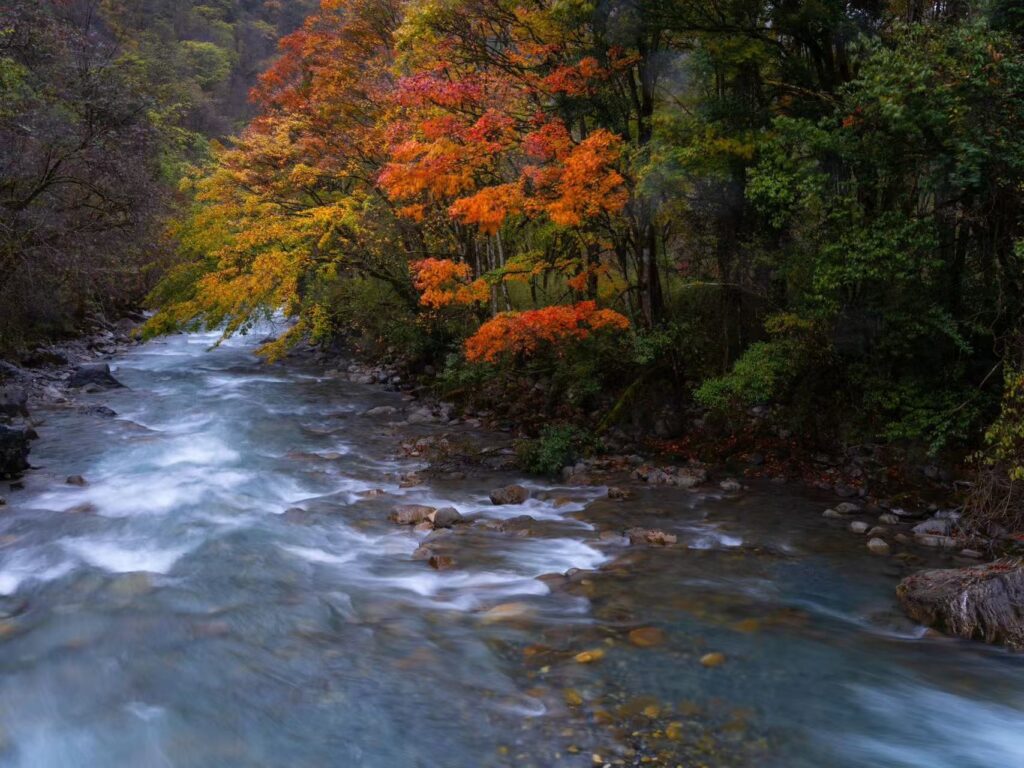
(Real Photos of Autumn Scenery of Labahe Nature Rserve)
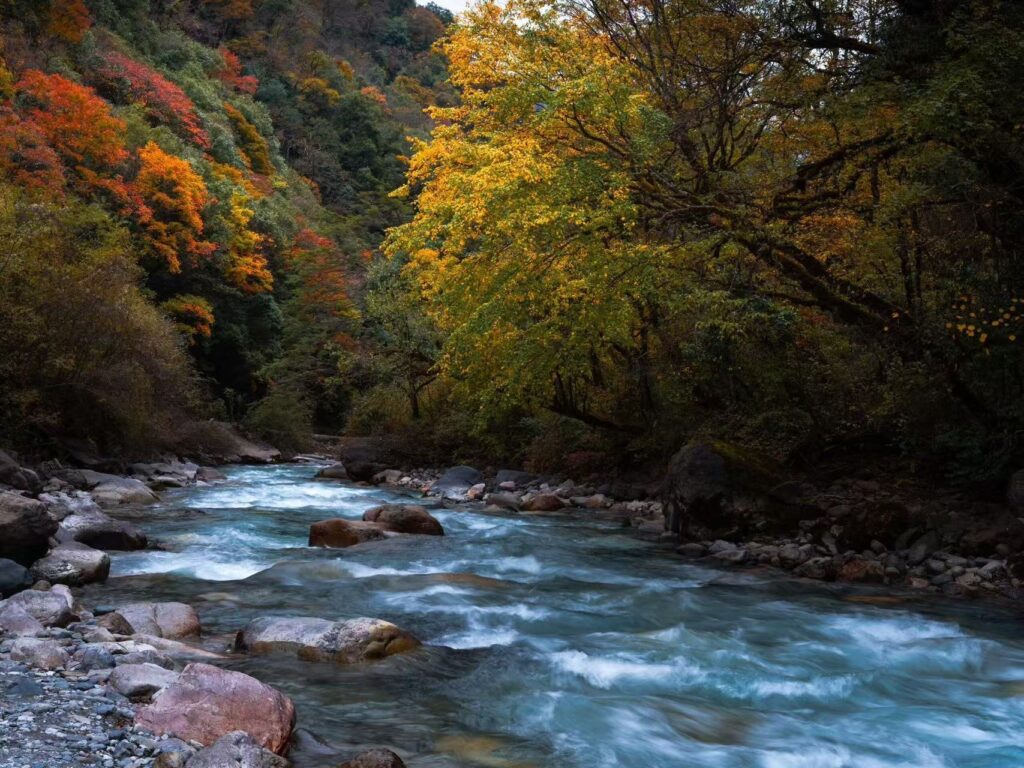
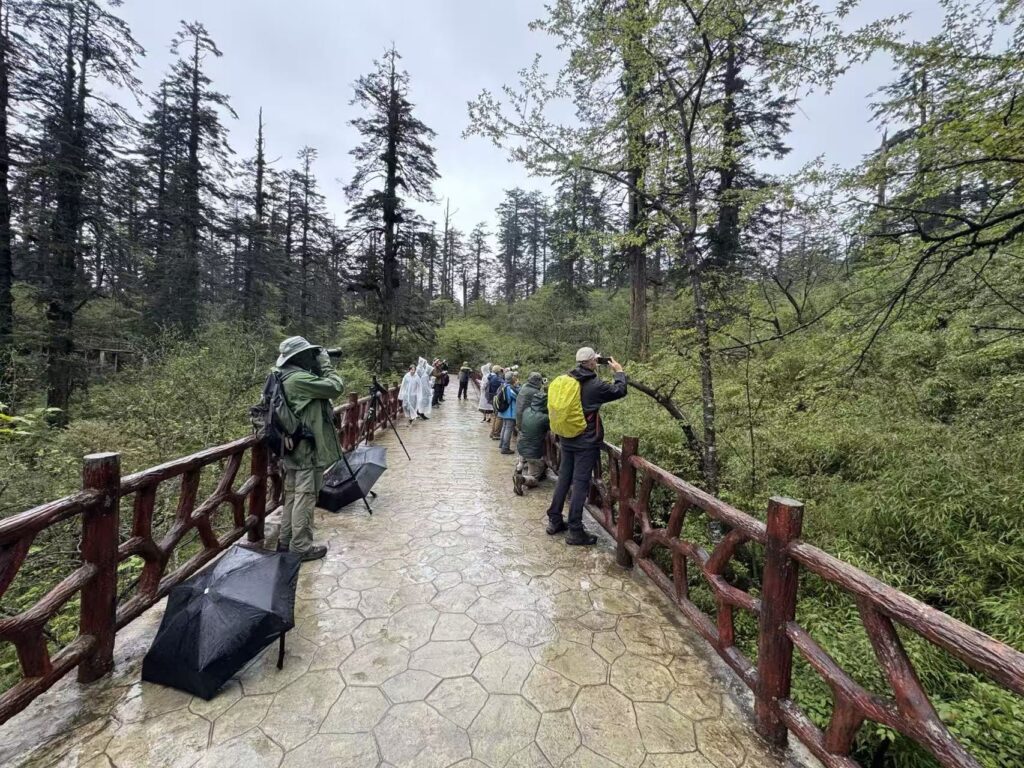
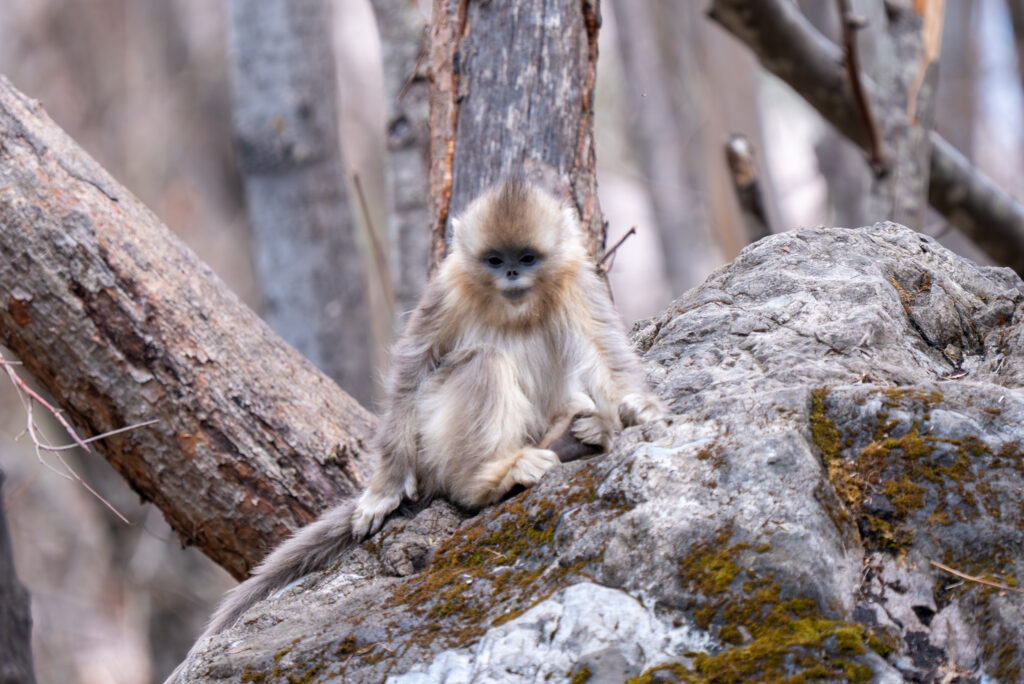
Wawu Mountain has a different character. Its higher-elevation, bamboo-rich forest and ecological trails create a more immersive mountain setting. The search is more trail-based, and the area also appeals to travelers interested in birding or forest photography.
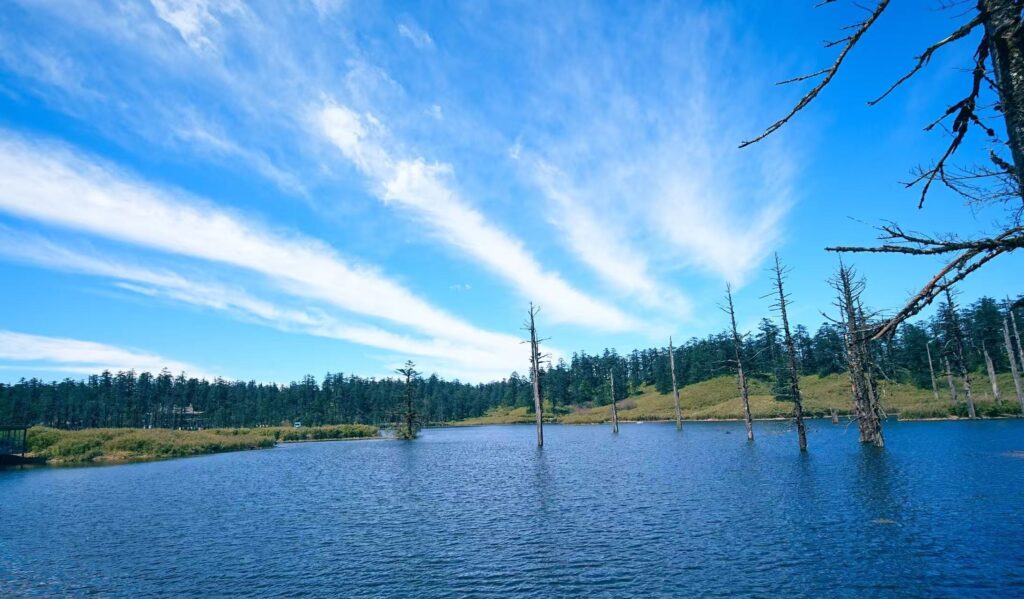
(Real Photos of Wawu Mountain)
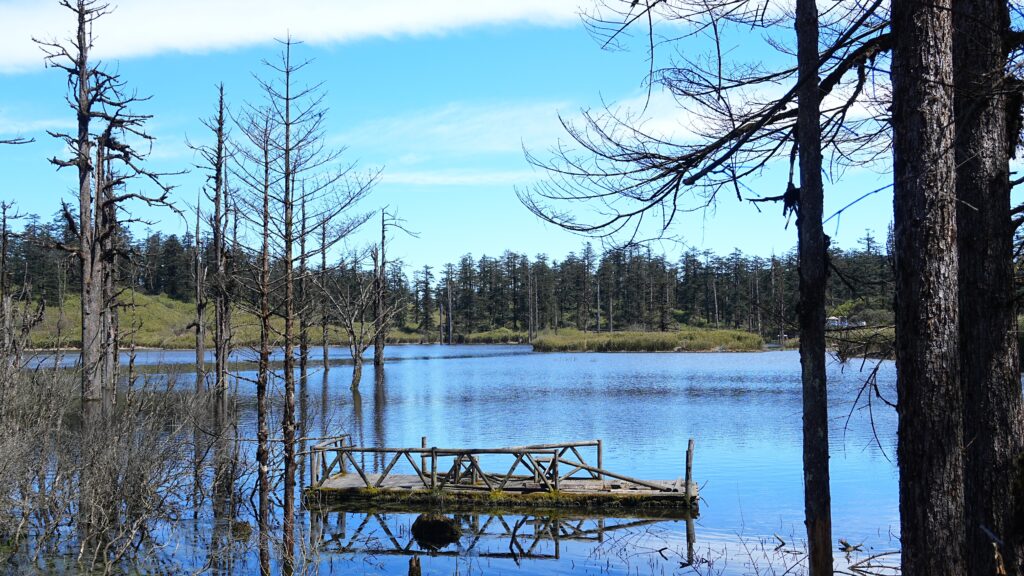
Choose Labahe if you value flexible access, varied search areas and a road-based mountain search. Choose Wawu Mountain if you prefer a higher-forest atmosphere and more time on trails. The right choice depends on your route, walking comfort and wider wildlife interests.
When to Go and What to Expect
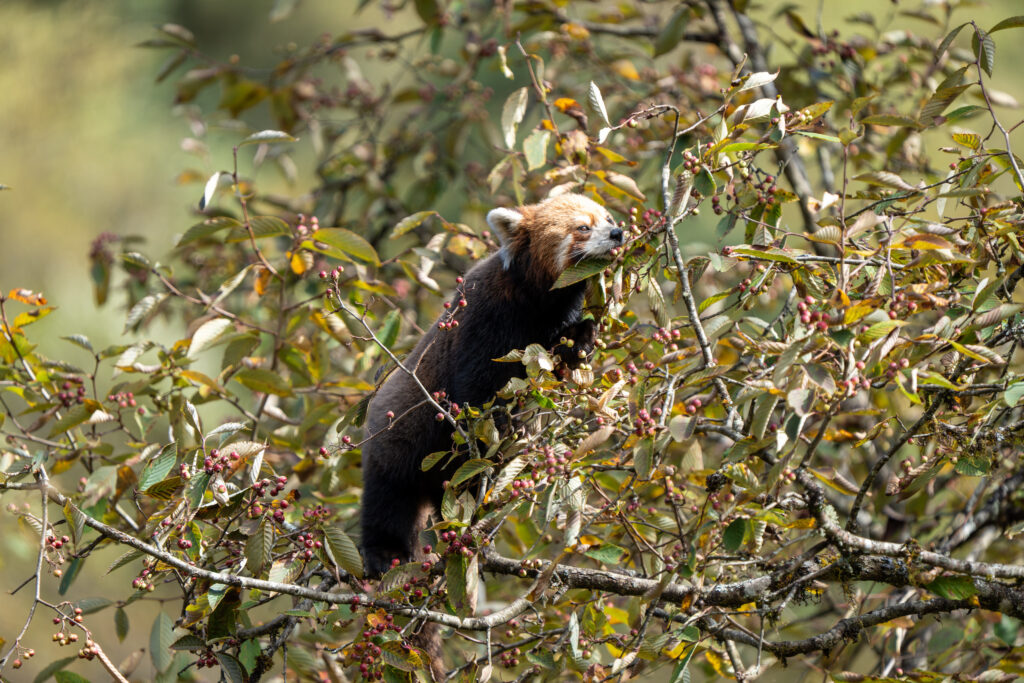
There is no month that guarantees a wild red panda encounter. Late summer into autumn can be productive when fruit and berries influence feeding behavior, while winter and early spring may offer clearer views through less leafy vegetation and activity at lower elevations. Conditions differ between Labahe and Wawu Mountain, so fixed month-by-month promises are not useful.
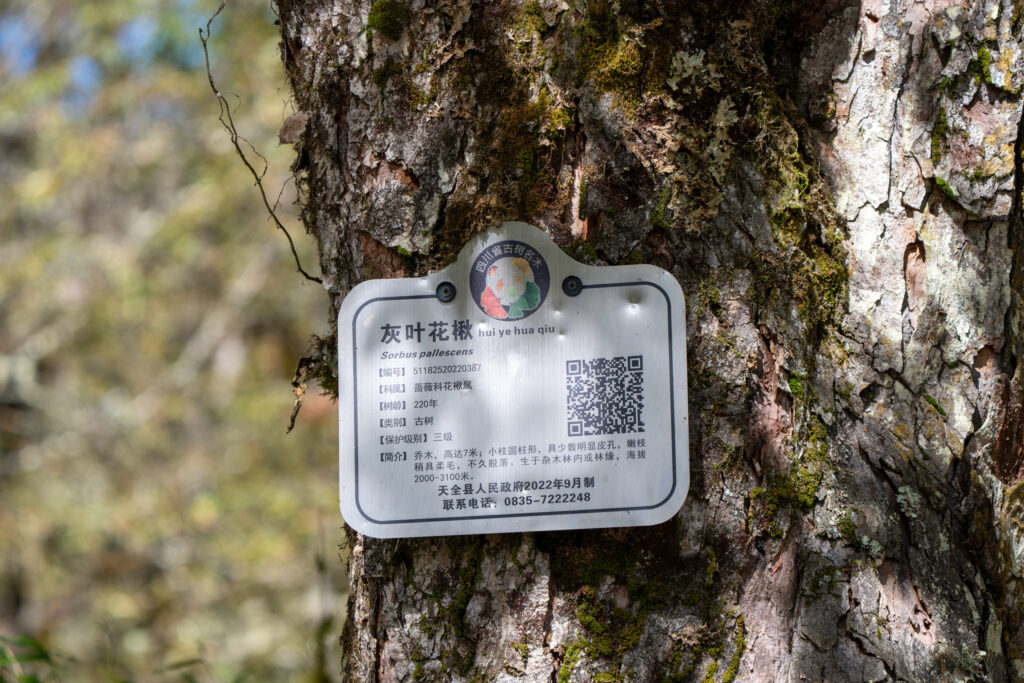
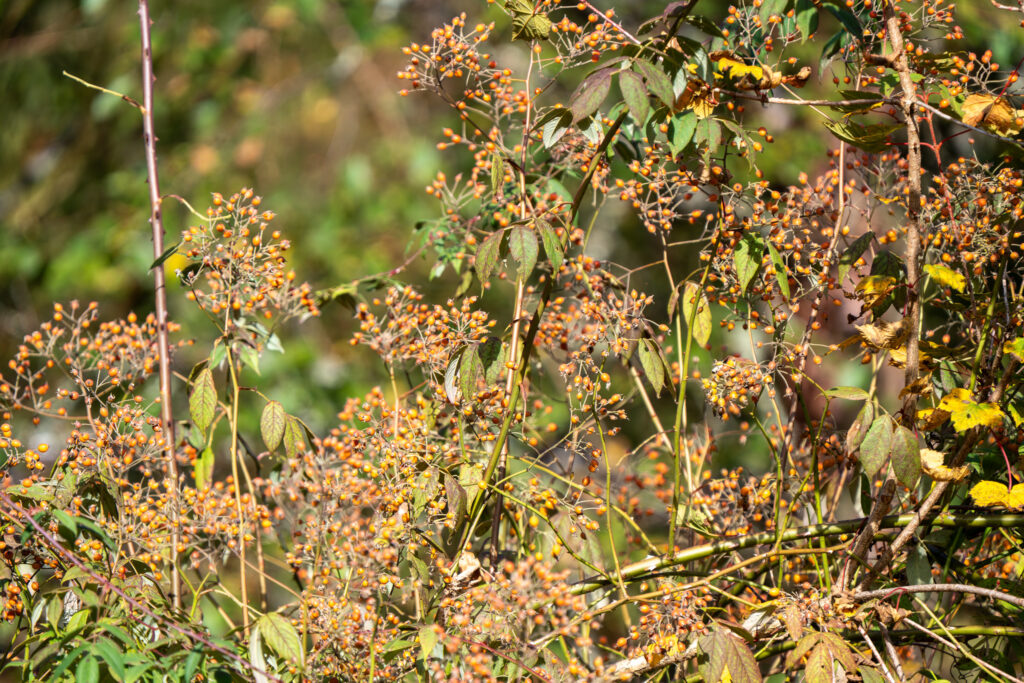
Weather matters too. Rain does not automatically end a search, but it can reduce visibility. Mist, cold and wet trails can make the day harder, while a short break in the weather may create an opportunity. A responsible guide adjusts the search rather than treating poor conditions as a failure.
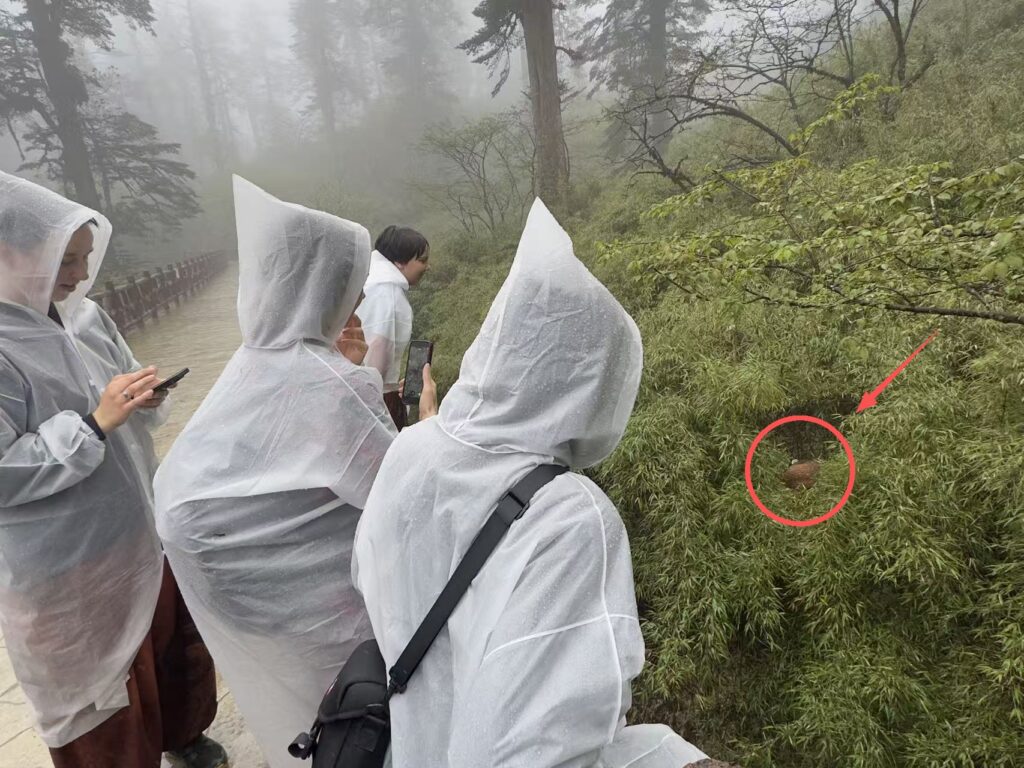
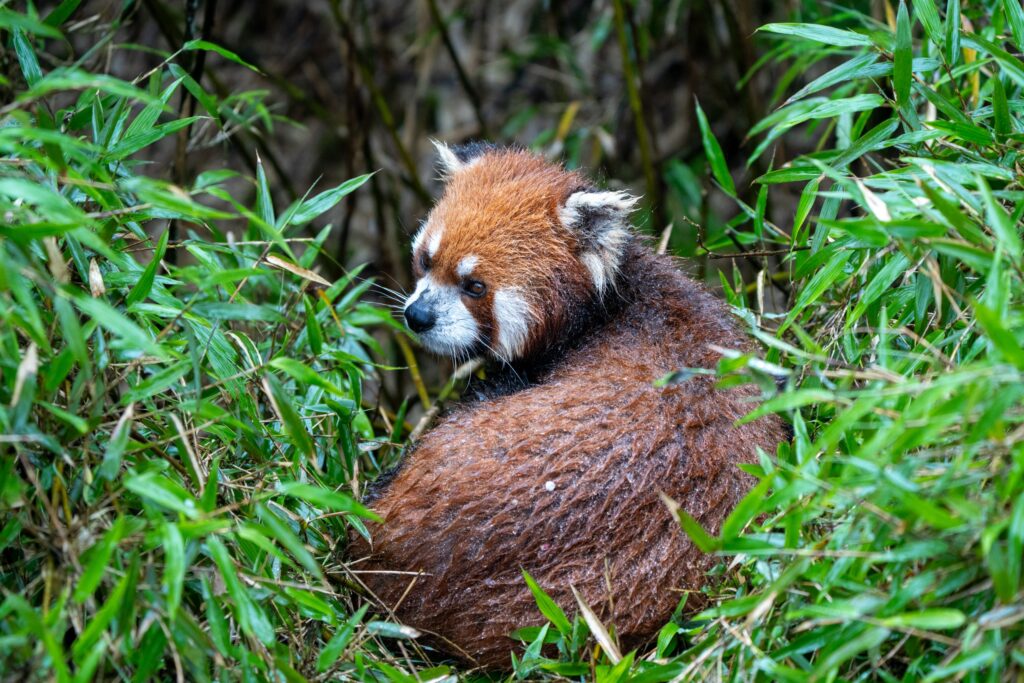
For photography, a long lens is useful because a wild red panda should not be approached for a closer frame. A 400–600mm equivalent can help in open views, while a shorter lens may be useful if an animal appears close to a road or trail. More important is keeping the encounter quiet and leaving the animal’s behavior unchanged.
Avoid building the trip around a single quick attempt. Both Labahe and Wawu Mountain reward time, repeated checks and flexibility.
Choosing the Right Red Panda Experience
For most international travelers asking where to see wild red pandas in China, Sichuan is a realistic place to begin. Labahe offers the more flexible search, with roads and varied elevations. Wawu Mountain offers a more immersive high-forest experience, with bamboo-rich trails and strong wider-wildlife appeal.
The choice should come down to the kind of field experience you want, not to a promise of success. A wild red panda may appear for only a few minutes, or it may remain somewhere beyond the trail. That uncertainty is part of what makes the experience genuinely wild.