China Guides

China Travel Checklist

China is easy to enjoy once a few practical details are settled before departure. The country is large, transport is fast, and a journey may move from imperial cities to humid mountain forest or the high plateau within days. This checklist
Symmetrical courtyard and golden-roofed palace within Beijing's Forbidden City
THE STORY

A first trip to China is easier when a few practical details are settled before departure. Entry rules, payment setup, connectivity, rail bookings and packing all matter, but so does choosing a route that matches the experience you actually want.

China is large enough for one journey to move from imperial cities to humid mountain forest or the high plateau within days. Rather than trying to collect every famous stop, prepare the essentials first, then choose one or two cultural anchors and add the landscape or wildlife experience that gives the trip its character.

Before You Leave: Entry, Payments and Connectivity

Start with documents. Confirm passport validity, visa requirements and any visa-free entry or transit conditions that apply to your nationality and route. Transit exemptions can depend on the entry port, permitted area and onward travel, so check the rules that match your exact itinerary before booking.

Keep digital and paper copies of your passport, insurance, flight details and hotel confirmations. Use the same name shown in your passport for every booking.

Set up the tools you are likely to need before arrival. Install Alipay and WeChat, and link an international bank card where supported. A physical card and some renminbi are useful backups, especially outside major cities. Arrange roaming or an eSIM, download offline translation, and save hotel names and addresses in Chinese.

For rail travel, use the official 12306 system and keep the passport used for booking with you when entering the station. Small preparations like this reduce friction when you are moving between cities.

Beijing skyline at night with the CCTV Headquarters and illuminated highways

Pack for the Route, Not Just the Country

Packing for China depends on where you are going. Beijing and Xi’an can be dry, Chengdu and Chongqing may feel humid, and Gansu can shift between warm days and cold evenings. A route combining cities with wildlife areas may require more range than a single-city trip.

For mountain or wildlife days, bring layers, a waterproof shell, comfortable shoes, sun protection and a small daypack. If photography matters, binoculars or a longer lens can be more useful than trying to approach wildlife closely.

Qinghai needs additional care because of altitude. Travel gradually, allow time to acclimatize and tell your guide if you develop headache, dizziness, unusual fatigue or nausea. Bring personal medication and make sure your insurance covers the altitude and outdoor activities included in your plans.

The pace should also change with the landscape. City sightseeing can be arranged around neighbourhood walks, museums, food and evening activity. Mountain and plateau journeys often work better with earlier starts, slower transitions and more room for weather changes. Avoid changing hotels every night when observation is the main purpose of the trip.

Traditional Beijing snack shopfront with Chinese signs and a parked scooter

Choose Destinations by Experience

Beijing is a cultural gateway, with the Forbidden City, Temple of Heaven, hutongs and the Great Wall. It works well as an introduction to imperial China, but it is not primarily a wildlife stop.

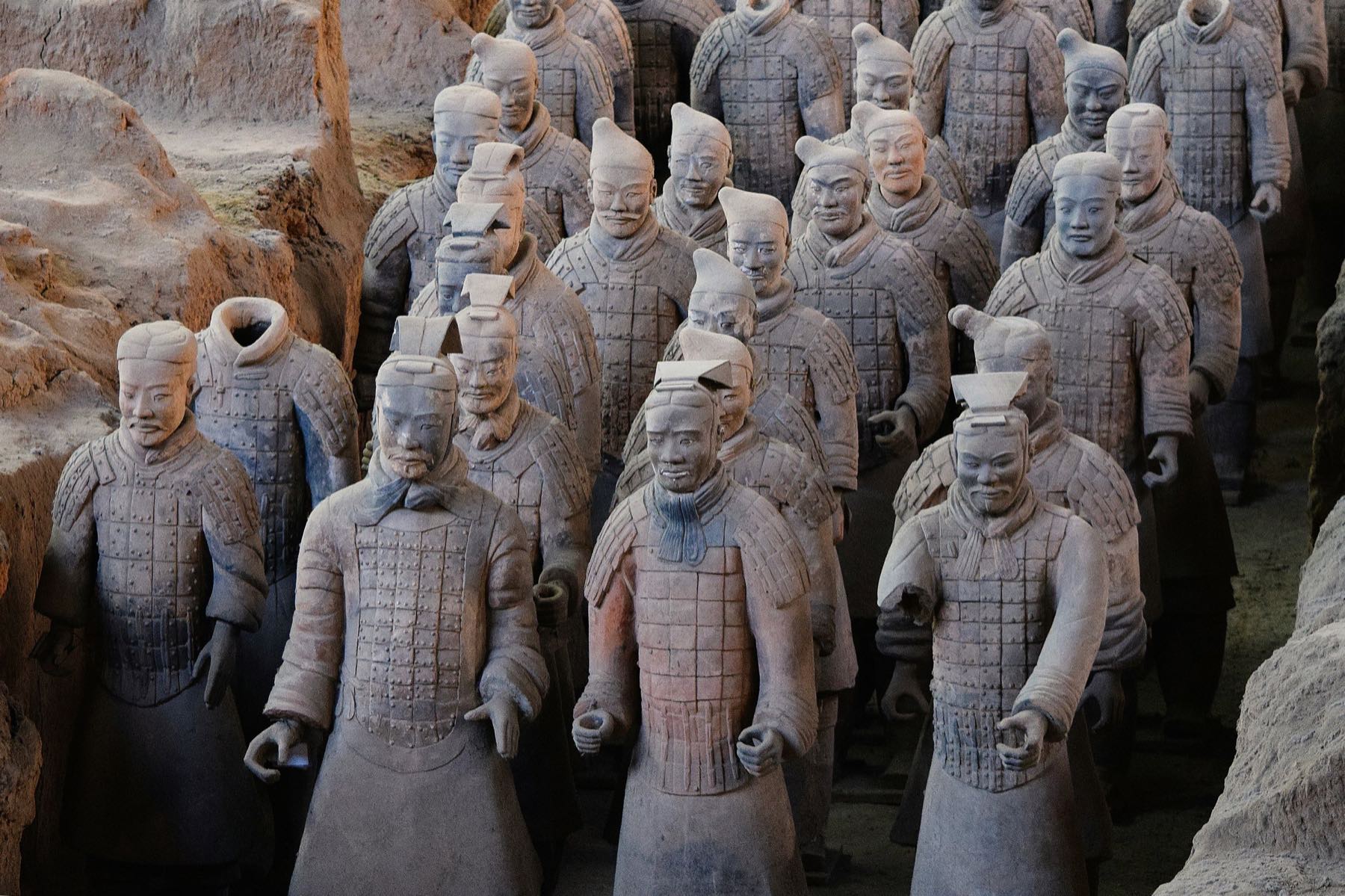
Xi’an combines the Terracotta Warriors, city walls, the Muslim Quarter and Silk Road history. It can also serve as a practical link between central China and routes farther west.

Chengdu brings panda culture, teahouses, Sichuan food and local life together. It is also a gateway to Wawu Mountain journeys or a separate Labahe search for wild red pandas.

Chongqing is mainly an urban and cultural experience, with mountain neighbourhoods, river views, hotpot and night scenery.

Qinghai shifts the journey towards high-plateau landscapes, monasteries and remote valleys. Specialist wildlife trips may focus on snow leopard, Pallas’s cat, Tibetan fox, wolf and blue sheep.

Gansu offers a different western experience, centred on the Hexi Corridor, Silk Road heritage, Zhangye landscapes and desert routes. Birdlife and broader nature interest vary by location and season.

Wildlife days should not be treated like museum visits. Weather, food sources and animal movement can change the schedule. A guide can read habitat and adjust the search, but an encounter cannot be guaranteed. Patience, distance and quiet observation are part of the experience.

Choosing a Route That Fits Your Priorities

Before leaving home, confirm your entry documents, insurance, payment backups, connectivity, train or flight details, suitable clothing and any altitude considerations.

Then choose the route by what you want to understand: imperial China in Beijing, Silk Road history in Xi’an and Gansu, urban energy in Chongqing, panda country around Chengdu, or plateau wildlife in Qinghai. The most useful itinerary is not the one with the most stops, but the one that gives each place enough space to feel distinct.


Busy traditional food street with stalls, signs and pedestrians
RELATED DESTINATION
RELATED JOURNEY
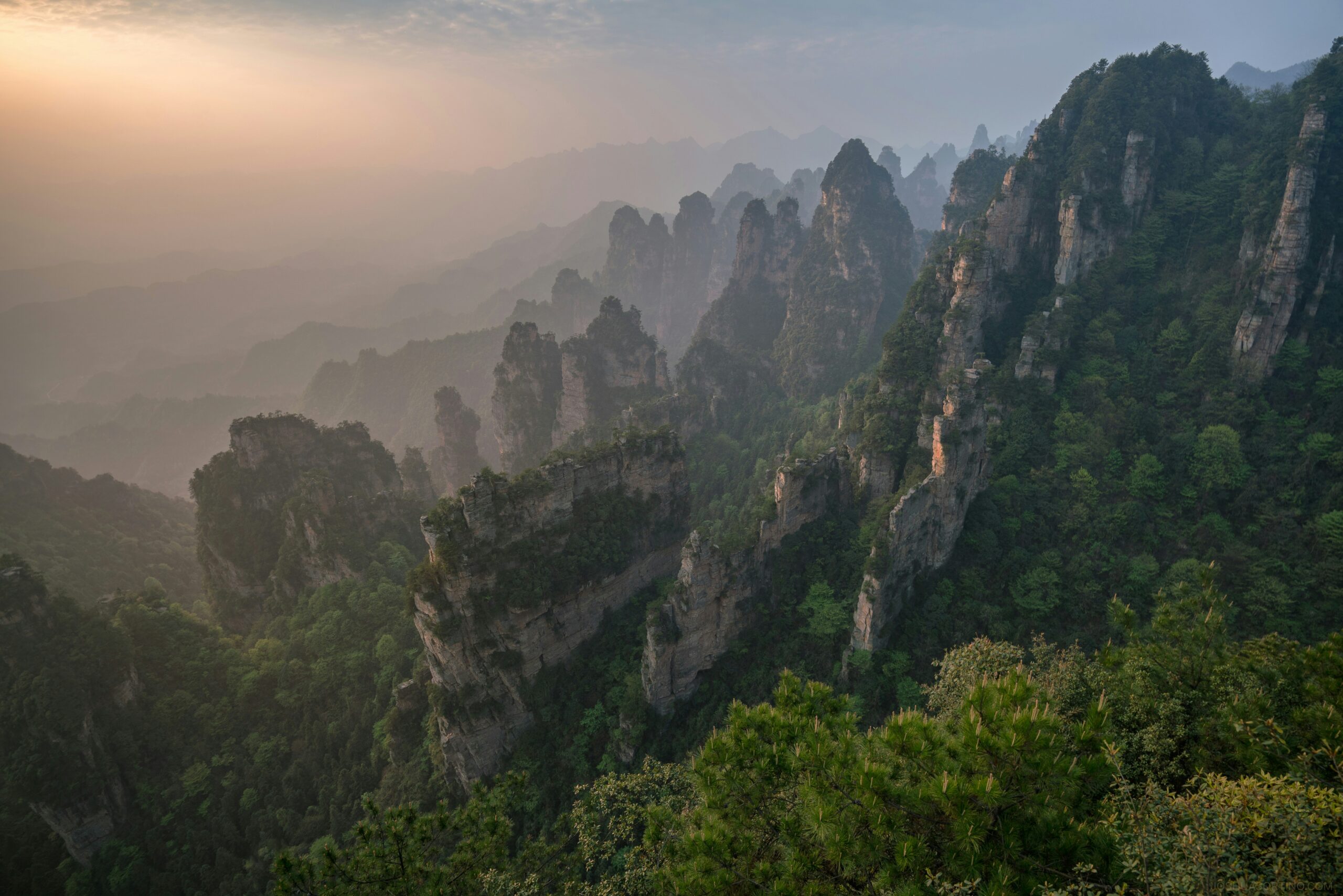
Misty sandstone pillars and forested peaks in Zhangjiajie at sunrise
Rows of Qin dynasty Terracotta Warriors in Xi'an

Continue Exploring

Close portrait of a red panda looking toward the camera

What a Red Panda Search Actually Looks Like in Sichuan

Searching for wild red pandas is less about covering distance than knowing where to look. In Sichuan, it means early starts, slow forest walks, scanning feeding trees and plenty of watching and waiting.
READ STORY →
Snow leopard yawning while resting on a rocky slope

Tracking Snow Leopards in Qinghai: What Wildlife Travelers Should Expect

A snow leopard may be the reason to travel to Qinghai, but the journey works best when you understand it as a broader search across the Tibetan Plateau.
READ STORY →
Red panda descending through thorny branches beside clusters of red berries

Where to See Wild Lesser Pandas in China

Sichuan is the sensible place to start because it holds the world's densest population of wild red pandas — roughly 3,000–3,400 animals, close to half of China's entire 6,000–7,000
READ STORY →