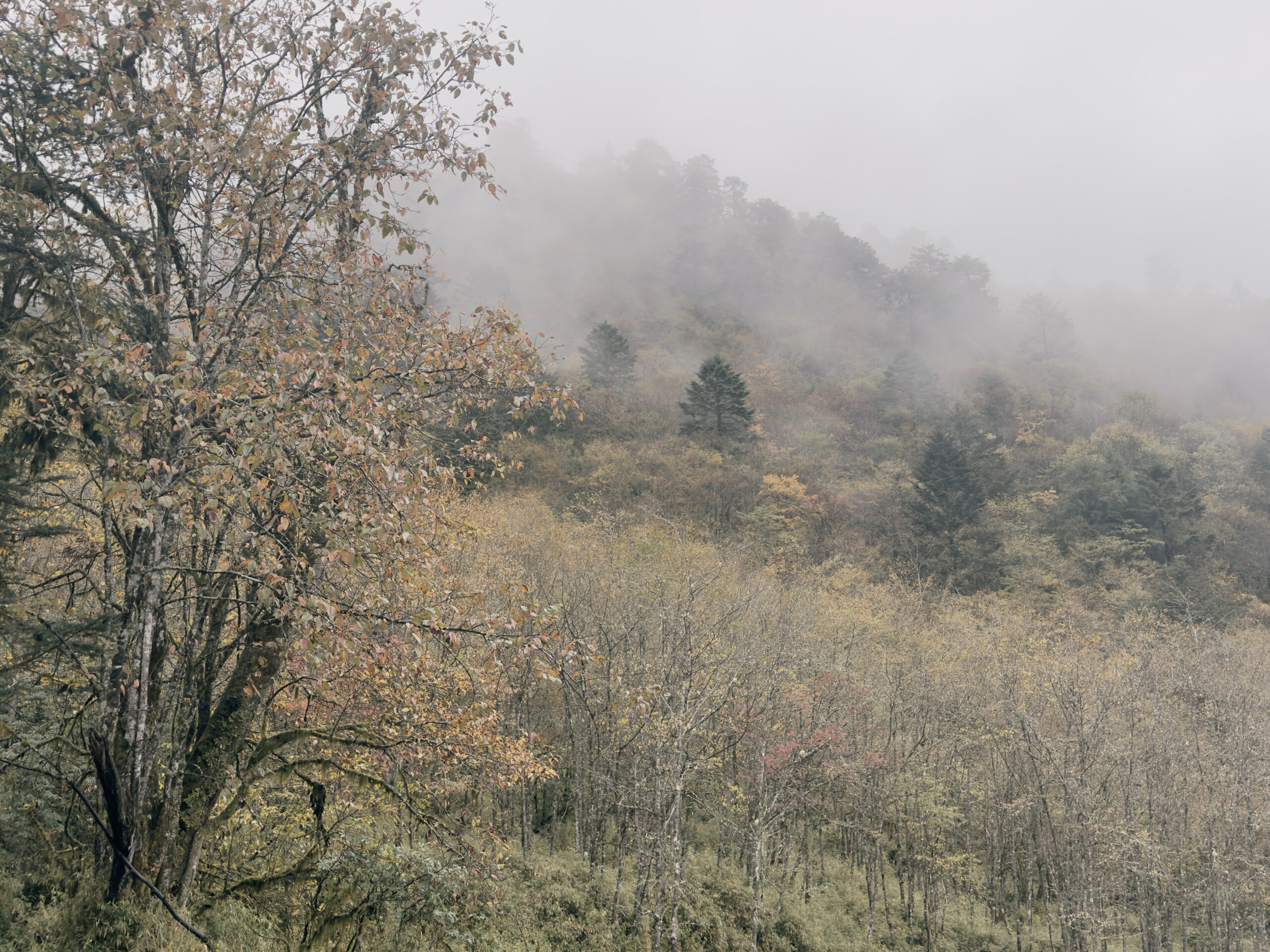
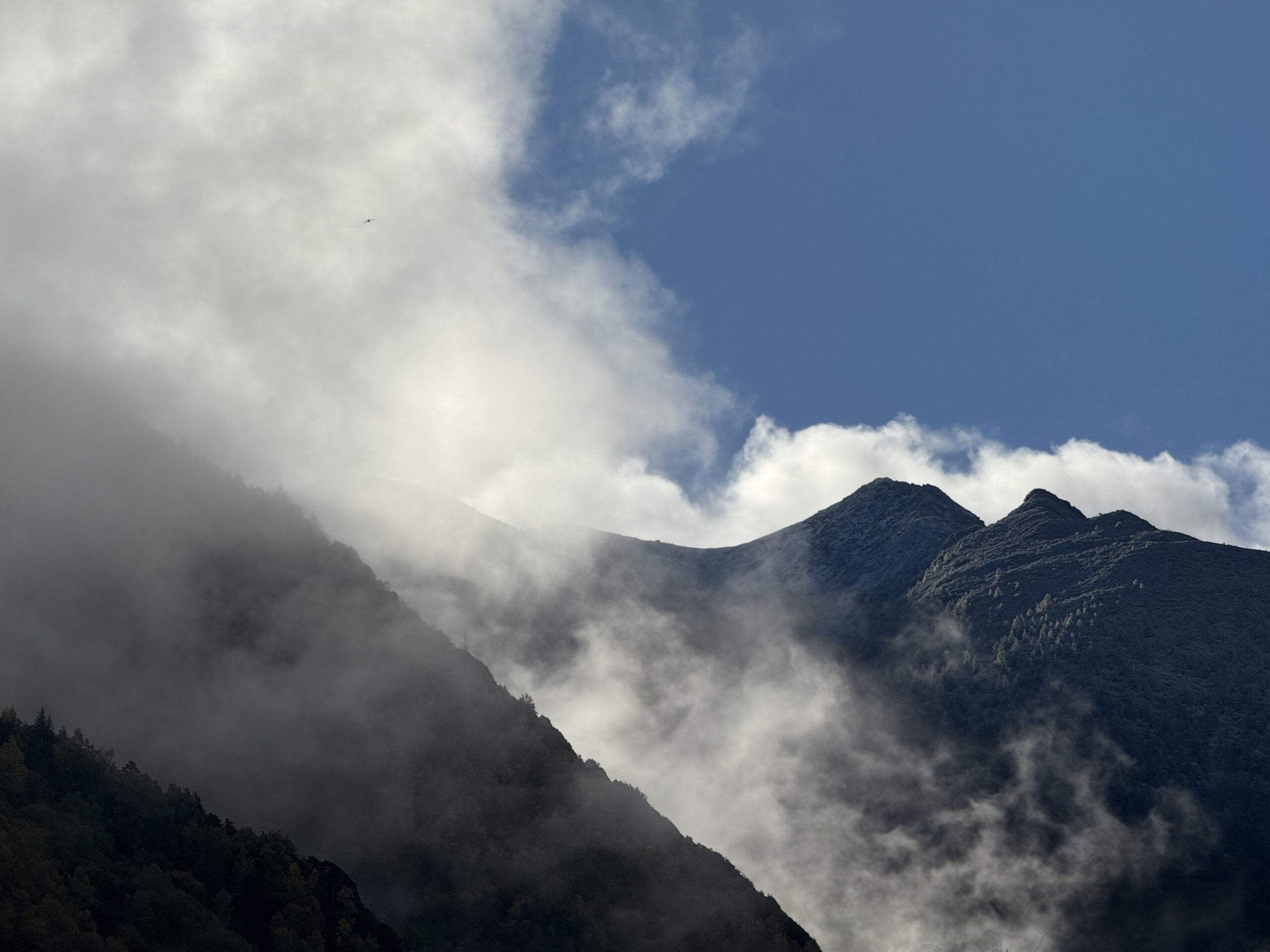
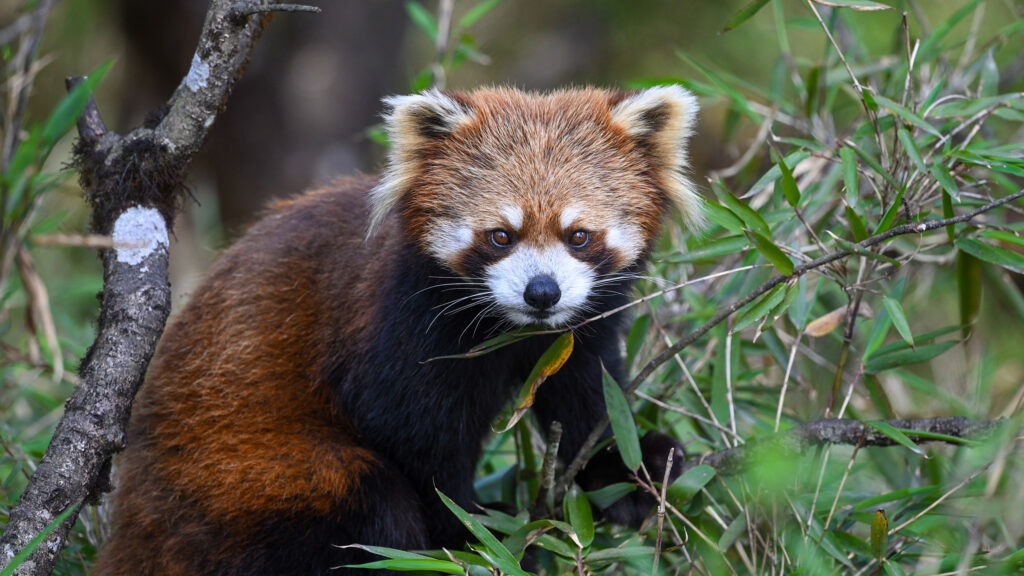
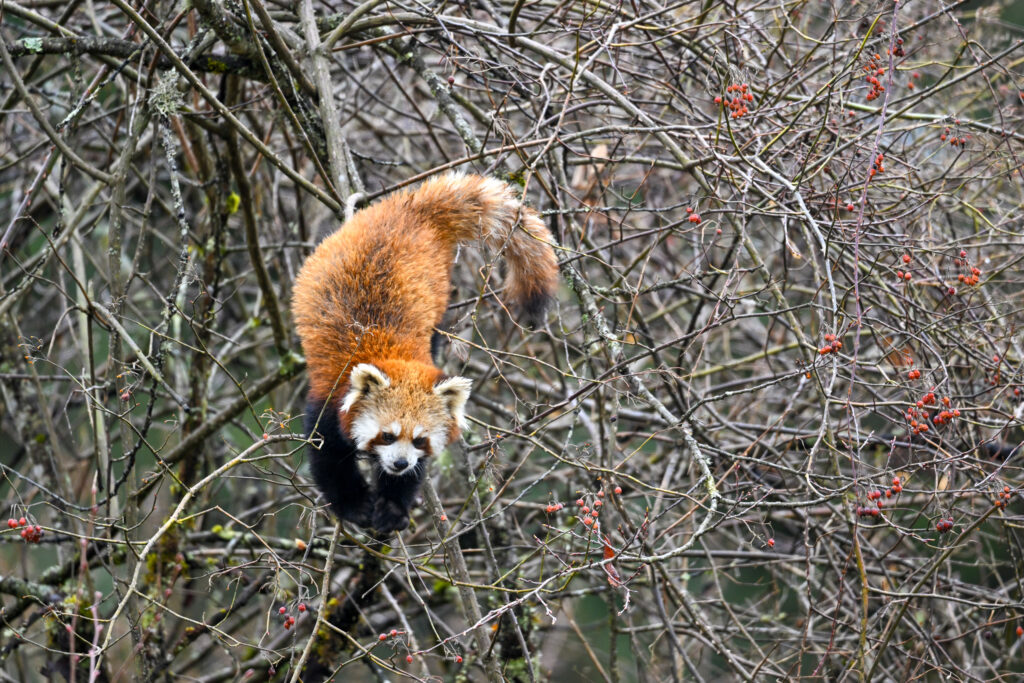
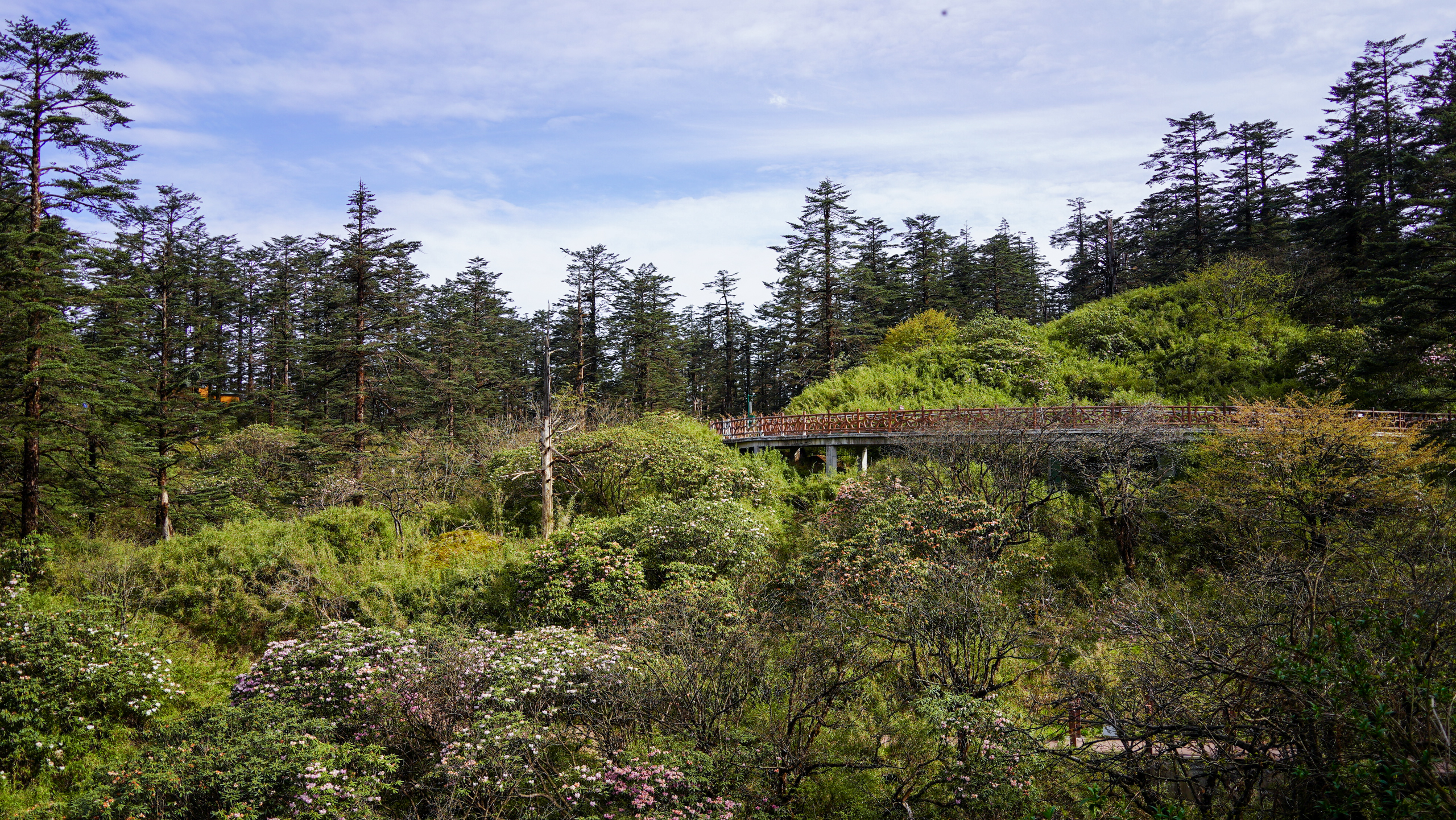
A misty table mountain of bamboo forest, red pandas, waterfalls and shifting seasonal weather.
Best Time to Visit
Year-round; season-dependent
Best Known For
Wild red pandas and summit forest trails
Key Experience
Guided red panda tracking on forest trails
Suggested Stay
2 days
Why This Place Matters
Wawu Mountain rises above the southwest edge of the Sichuan Basin as a broad table mountain wrapped in wet forest. Its high summit plateau supports fir, arrow bamboo and other habitat used by wild red pandas, while the wider area forms the southern gateway to Giant Panda National Park.
The mountain matters beyond one species. Rich birdlife, rhododendrons, waterfalls, cloud and winter ice create a layered mountain ecosystem, giving wildlife-focused travelers meaningful natural context even when a red panda remains hidden. Here, dramatic scenery and living habitat overlap in the same walkable landscape.
Place Context
A high, wet table mountain above Sichuan
Most wildlife-oriented visits focus on the upper mountain, where cableway access and ecological trails make the summit forest practical to explore without a long ascent. The plateau is cool, wet and often misty, with fir forest, bamboo undergrowth and trail edges changing quickly with weather.
Wawu’s bird diversity and strong seasonal scenery mean the mountain can remain rewarding even when wildlife is elusive. The trade-off is that this is also a managed scenic area, so visitors share parts of the mountain with general sightseeing traffic and access can change with weather or park operations.
What You’ll Find Here
A wildlife day on Wawu is mainly about moving slowly through the summit forest, scanning bamboo edges, branches and feeding trees for signs of red pandas. Ecological trails give structured access, while birdlife, waterfalls and changing cloud conditions keep the mountain visually active between wildlife moments. Sightings remain unpredictable, so the experience works best for travelers comfortable with patient observation rather than a fixed checklist.
Panda Trace Perspective
We use Wawu when travelers want a compact red panda search with a strong mountain-forest atmosphere. The summit concentrates suitable bamboo-rich habitat around a trail network that can be searched methodically, and the wider birdlife adds depth to the day. It works especially well as a short extension from Chengdu rather than a long wildlife expedition.
Duration Logic
Two days allow an unhurried transfer and foothills stay, followed by a dedicated morning-to-afternoon wildlife search before returning to Chengdu without rushing the mountain.
Weather Reality
Rain, fog and rapid temperature changes are normal on this wet mountain; winter can add snow and ice, affecting visibility and trail conditions.
Plan Your Stay
Walking and Terrain
Expect steady trail walking on boardwalks and forest paths, with damp surfaces, steps and short climbs around the upper mountain.
Access
Usually reached by road from Chengdu, then scenic transport and cableways bring visitors toward the upper mountain trail network.
When to Go
Wawu works year-round, but conditions change sharply by season; choose dates around your tolerance for rain, mist, cold, snow and busier scenic periods.
Travel Rhythm
The upper forest can feel quiet between groups, but popular scenic periods bring general visitors onto the same trail network.
Related Journeys
Wildlife
FROMUS$525
2 Days Red Panda Search on Wawu Mountain
A compact two-day escape from Chengdu to Wawu Mountain, combining a relaxed foothills stay with guided wild red panda tracking along forest trails before returning to the city.
Wildlife
FROMUS$950
3 Days Wild Red Panda Search in Labahe Forests
A three-day journey from Chengdu to Labahe for daytime red panda searches, broader wildlife observation, two evening night observations and an optional Tianquan Wetland Park stop.