Field Stories

Counting Arhats at Baoguang Temple: One of Chengdu’s Most Curious Temple Traditions

Walk into Baoguang Temple in northern Chengdu and you may notice people doing something unusual. They are not simply looking at the Buddhist statues. They are counting them.
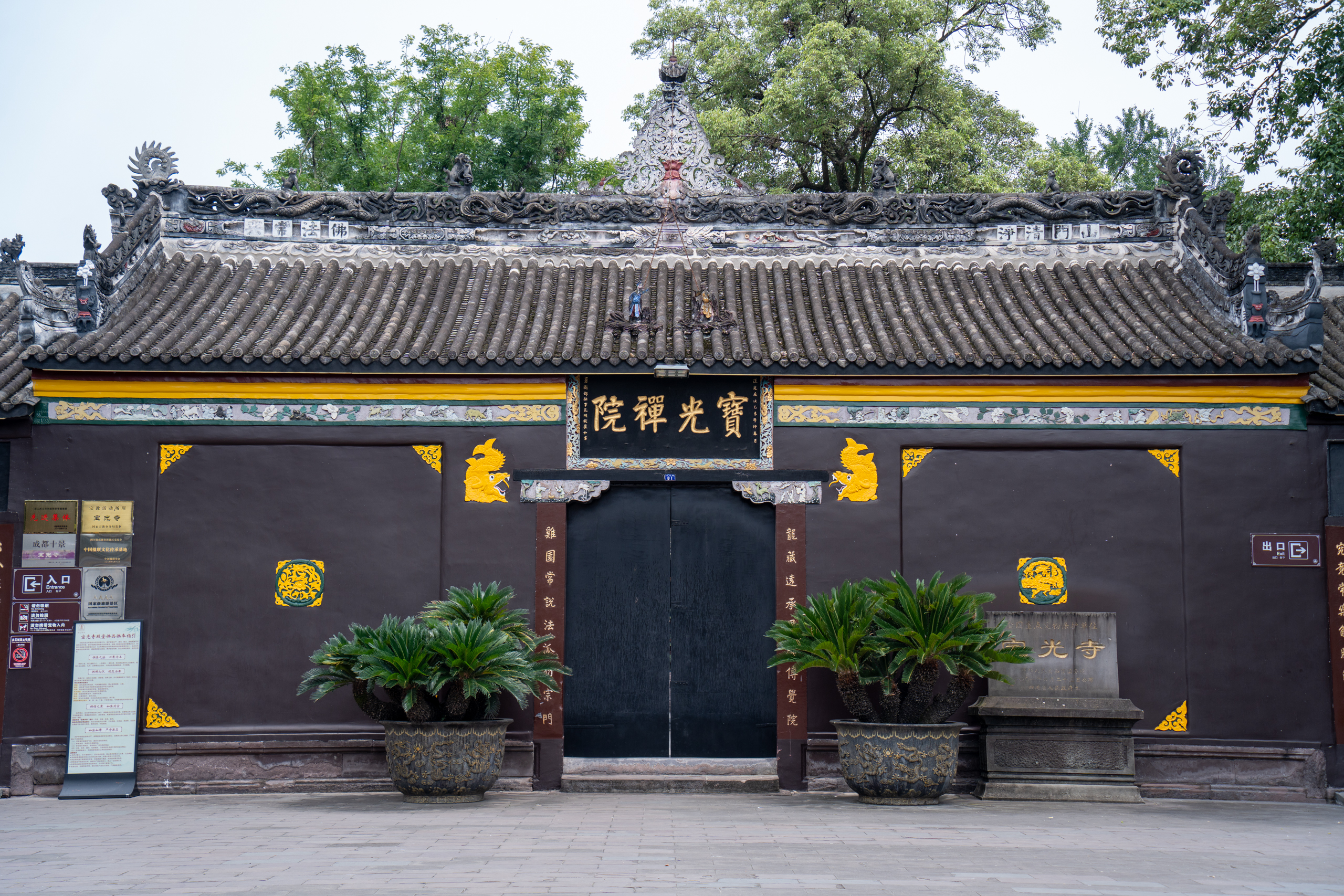
Ornate tiled entrance gate at Baoguang Temple framed by leafy trees
The entrance to Baoguang Temple in Xindu, north of Chengdu.
THE STORY

Inside the temple’s Arhat Hall, hundreds of life-sized figures stand in winding rows. Some smile broadly. Others stare seriously into the distance. Some appear calm and scholarly; others look almost eccentric. No two seem quite alike.

For local visitors, this is more than an impressive collection of Buddhist sculpture. It is also connected to a popular tradition known as ‘counting the arhats’ – shu luohan (数罗汉).

And it is one of those small cultural experiences that makes a visit to Chengdu much more interesting once you understand what is happening.
First, What Is an Arhat?

An arhat – luohan in Chinese – is a figure who has reached a high state of spiritual realization in Buddhist tradition.

Over centuries, arhats became especially important in Chinese Buddhist art. Groups of sixteen, eighteen and eventually hundreds of arhats appeared in temples, paintings and sculpture.

The famous idea of the Five Hundred Arhats is traditionally associated with the large community of Buddha’s disciples and with early gatherings that preserved Buddhist teachings after his death. In China, the five hundred gradually developed individual names, personalities and visual characteristics.

That helps explain why the figures at Baoguang Temple are so entertaining to examine. They are not five hundred copies of the same peaceful monk. You encounter thin faces and round ones, laughter and concentration, exaggerated eyebrows, unusual postures and unexpected gestures. Many look surprisingly human.

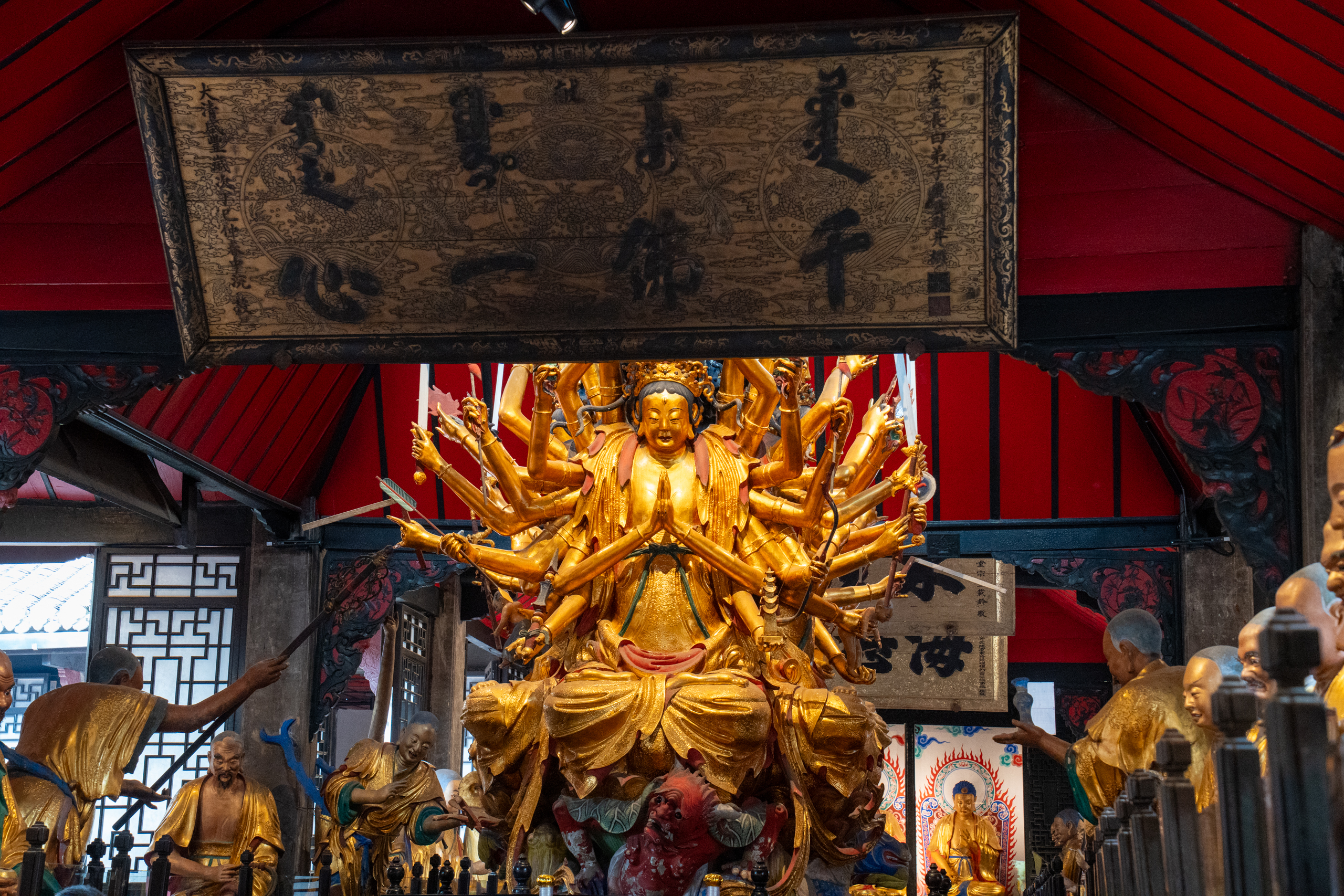
Gilded multi-armed Buddhist statue surrounded by carved figures inside Baoguang Temple

Why Baoguang Temple Is Special

Baoguang Temple is located in Xindu, north of central Chengdu, and belongs to the long history of Buddhism in Sichuan.

Different traditions trace its earliest origins to different periods, but the surviving temple preserves important layers of history. Its famous pagoda is associated with the Tang Dynasty, while much of the present complex reflects later reconstruction.

The Arhat Hall was built in the Qing Dynasty, around 1851. Craftsmen from different regional sculptural traditions worked on its figures, helping explain the extraordinary range of faces and styles seen inside today.

The layout makes the experience even stranger. Instead of one straight gallery, the statues surround interconnected passages and courtyards. Walking through them can feel slightly like entering a maze filled with hundreds of different personalities.

So How Do You ‘Count the Arhats’?

There are several local variations, but the basic idea is simple. You choose an arhat as your starting point and begin counting until you reach the number corresponding to your age. The figure you land on becomes your arhat.

People may look at its expression, posture or traditional interpretation and jokingly – or sometimes quite seriously – connect it with their own personality, fortune or state of mind.

It is important to understand that this is better viewed as a popular folk custom associated with temple culture, rather than a formal Buddhist method of predicting the future.

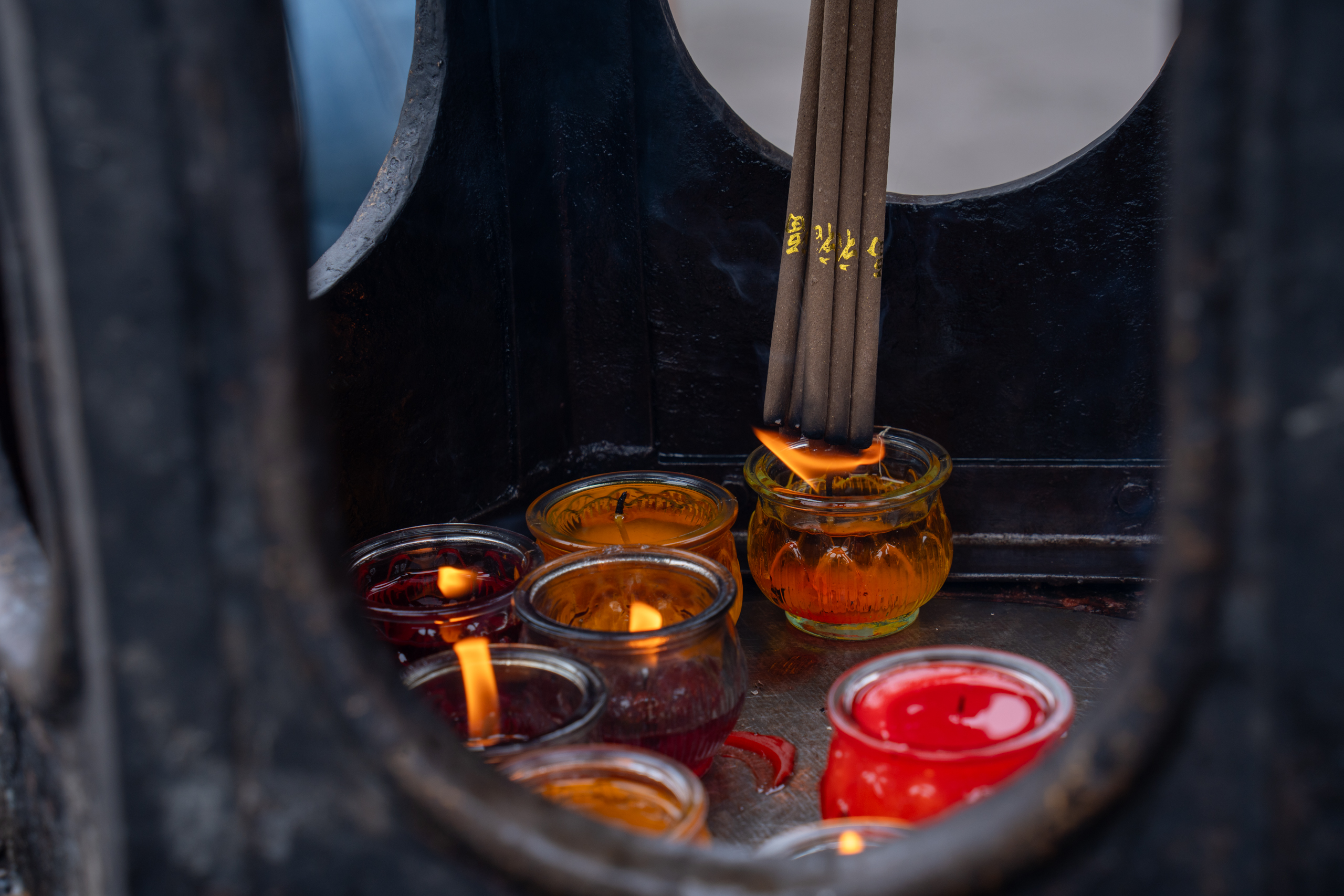
Burning incense sticks and small candles glow inside a temple burner

Why Counting Arhats Is Actually Fun

For foreign visitors, temples can sometimes become difficult to read. You see statues, incense and beautiful architecture, but without context it is easy to walk through everything in twenty minutes and leave without understanding much.

Counting arhats changes that. Suddenly, you start looking at individual faces. You notice which statue makes you laugh. You compare expressions. You wonder why one figure looks joyful while another seems exhausted, mischievous or deeply absorbed in thought.

The hall stops being a collection of old religious objects. It becomes populated by characters. And when you finally arrive at ‘your’ arhat, there is an almost irresistible temptation to ask: Why did I get this one?

A Different Way to Experience Chengdu

Chengdu is famous for pandas, teahouses and Sichuan food. But experiences like counting arhats at Baoguang Temple reveal another side of the city – one shaped by centuries of religion, folk belief and ordinary local life.

You can visit the temple simply to admire its architecture. Or you can choose an arhat, start counting and see where you end up. Sometimes understanding China begins with something as simple as asking why everyone else in the room is counting.

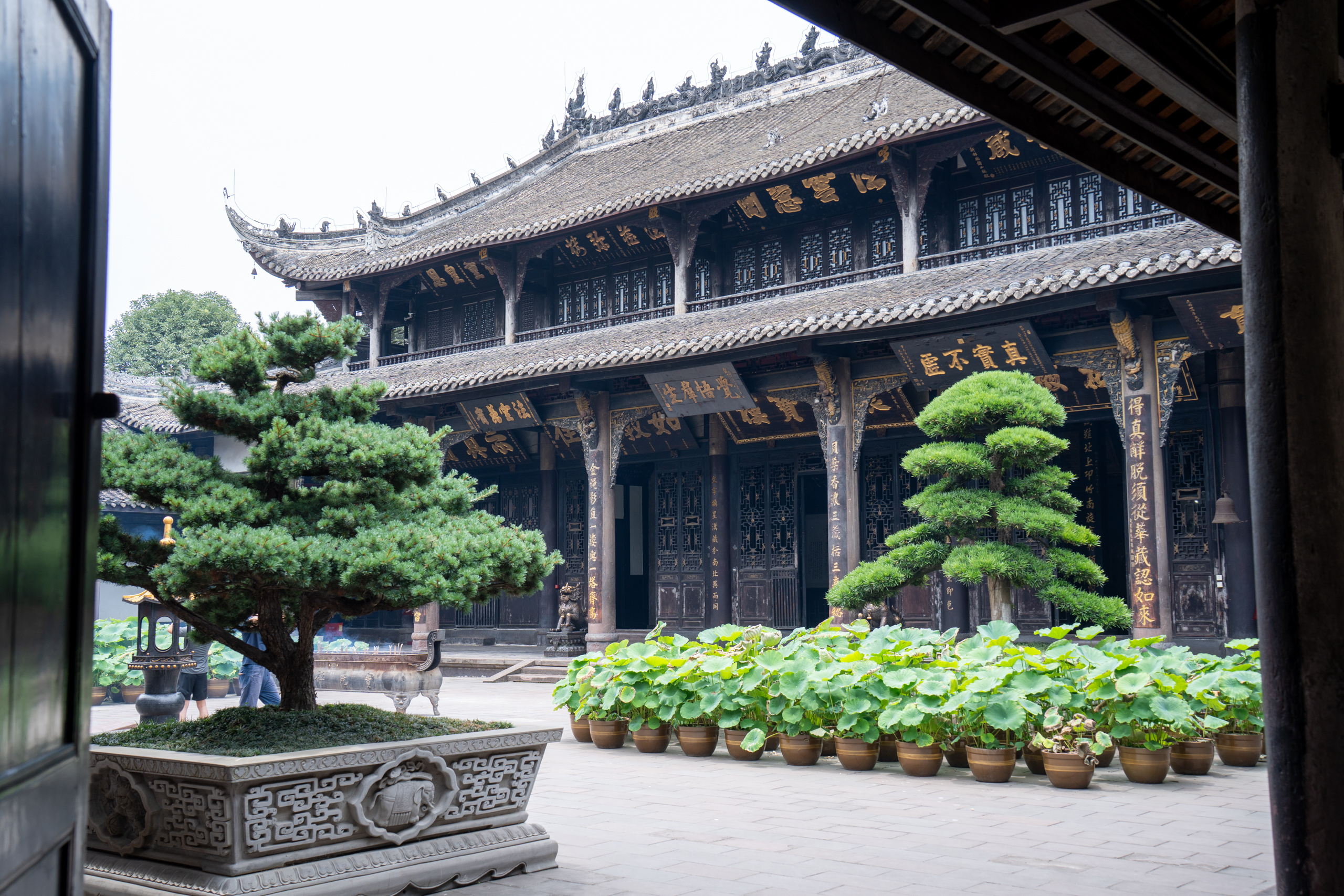
Historic wooden temple hall overlooks potted lotus plants and sculpted pines

The Panda Trace Perspective

Sometimes understanding China begins with something as simple as asking why everyone else in the room is counting.

Baoguang Temple is in Xindu, north of central Chengdu. Visitors can observe the Arhat Hall, choose a starting figure and count to the number corresponding to their age; the practice is a popular folk custom, not formal Buddhist fortune-telling.

RELATED DESTINATION
RELATED JOURNEY

Continue Exploring

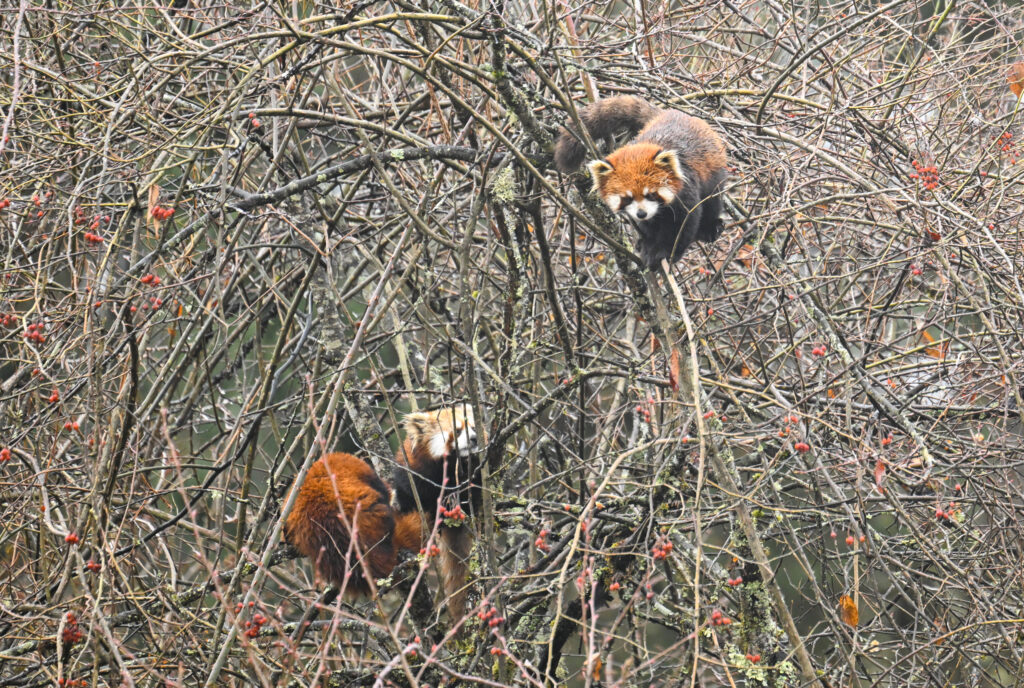
Three red pandas moving among thorny branches and red berries

Three Red Pandas in the Rain: A Wildlife Encounter in Labahe

A rainy morning, almost no expectations, and three wild red pandas — a first wildlife-searching experience that became a lesson in patience and possibility.
READ STORY →