
A Silk Road city framed by rainbow Danxia, desert canyons, Buddhist heritage and Qilian Mountain cultures
June through September
Rainbow Danxia and Silk Road heritage
Danxia landscapes, Silk Road history and caves
2–3 days
Zhangye sits in the middle of the Hexi Corridor, where the city’s long Silk Road history meets some of northwestern China’s most distinctive geology. The municipal government describes Zhangye as a national historic and cultural city with more than 2,000 years of urban history, while UNESCO recognizes the wider Zhangye Geopark for colourful hills, Danxia formations, gorges and other internationally significant geological features. This combination gives Zhangye unusual range: travelers can move from monumental arid landscapes to Buddhist heritage and living minority cultures within the same destination, rather than treating the city as only a gateway to one famous viewpoint.
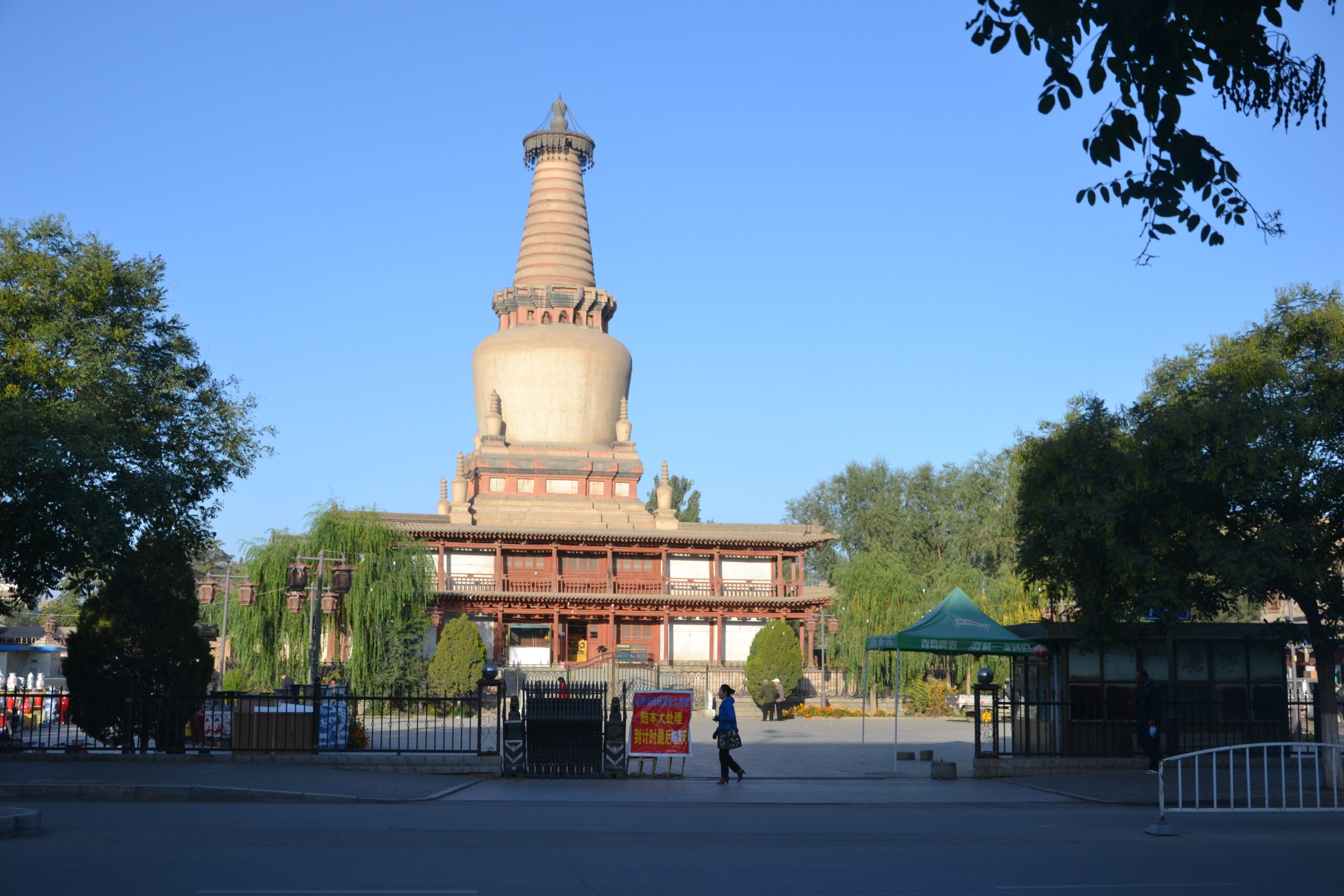
Zhangye is in central Gansu’s Hexi Corridor, with the municipal area extending from arid basins toward the Qilian Mountains. Its attractions are spread widely rather than concentrated in a compact old town: the Colourful Danxia scenic area lies outside the city, Pingshanhu Grand Canyon is another separate excursion, and Matisi combines grotto heritage with mountain scenery in Sunan Yugur Autonomous County. In the urban core, the Great Buddha Temple preserves major Western Xia Buddhist heritage. Planning a stay therefore means using Zhangye as a base for contrasting day trips, with road time and changing elevation shaping the experience as much as the individual sights.
The core experience mixes large-scale landscape viewing with cultural context. Most visitors prioritize the Colourful Danxia viewpoints, where shuttle access and short walks reveal layered hills that change with light. A broader stay can add Pingshanhu Grand Canyon, the Great Buddha Temple, and Matisi for grottoes, Qilian Mountain scenery and Yugur cultural context. Because these sites are widely separated, Zhangye works best when sightseeing is paced across distinct half-day or full-day excursions.
Zhangye works well when a northwestern China journey needs a strong visual landscape anchor without losing historical depth. The Danxia formations give an immediate sense of arid-region geology, while the Great Buddha Temple, Matisi and Yugur cultural context connect that scenery to the Silk Road story. We would use it as a contrast between corridor cities and more remote mountain or desert sections.
Two nights can cover a focused city-and-Danxia visit. Three nights is more comfortable when adding Pingshanhu Grand Canyon or Matisi, because attractions are dispersed and transfers take time.
Zhangye is dry, sunny and strongly continental. Wind, sun exposure and large temperature changes can matter even on mild days, while mountain excursions can be noticeably colder than the city.
Most major sights involve short viewpoint walks, but canyon routes can include steeper steps, uneven ground and longer exposed sections.
The main attractions are widely dispersed outside central Zhangye, so private transfers, taxis or organized day trips are usually the practical approach.
June to September is the easiest general window. Late summer can be busy at famous Danxia viewpoints, while strong midday sun makes early and late sightseeing more comfortable.
Colourful Danxia can feel busy at peak times, while farther-flung canyon, mountain and cultural sites generally create a more spacious experience.
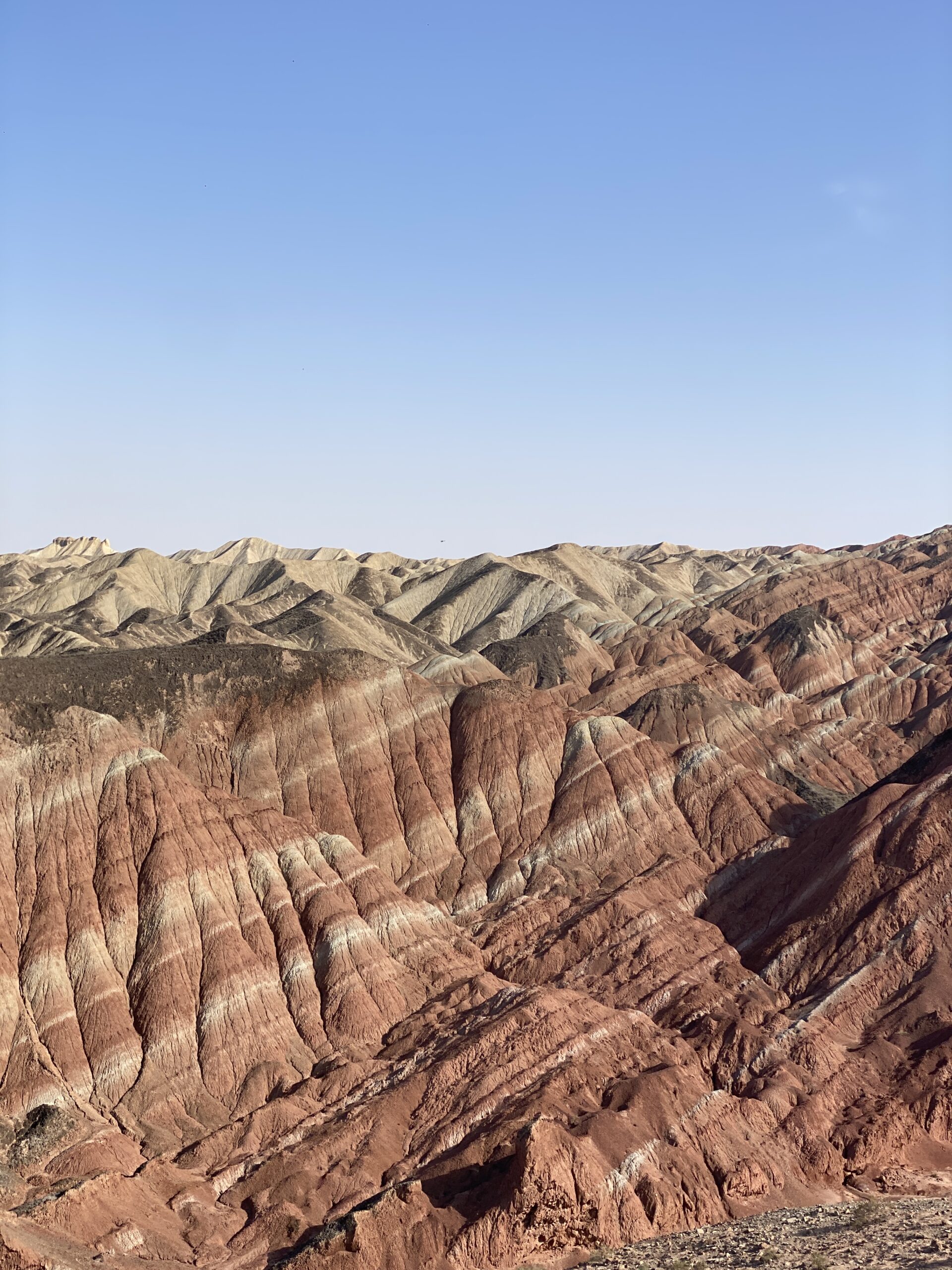
June to September is the broadest comfortable window for Zhangye, according to China Weather’s climate background. Summer brings the main travel season, so crowd levels, strong sun and midday heat still require practical pacing.
Spring is dry and can be windy, with cool mornings and changeable visibility. Mountain areas remain colder than central Zhangye, so layered clothing matters.
Summer is the main travel season, with warmer days and the year’s relatively wetter period. Popular Danxia viewpoints can be crowded, especially during holiday peaks.
Early autumn often keeps comfortable daytime conditions while evenings cool quickly. Dry air and lower-angle light can suit long outdoor days, though weather remains variable.
Winter is cold and quieter, with shorter comfortable outdoor windows. Snow can occasionally transform the Danxia landscape, but road and viewing conditions should be checked.
Travelers who enjoy dramatic geology, Silk Road history and photography, and who are comfortable using road transfers to connect widely separated landscapes, temples and grotto sites.
Travelers seeking a compact, walkable city break or minimal time in vehicles may find Zhangye less convenient, because its strongest experiences are spread across a wide area.
Danxia colours depend heavily on light, weather and viewpoint. Sunrise or late-day conditions may improve contrast, but haze, cloud or flat light can mute the landscape and vivid images are never guaranteed.
Compared with Dunhuang, Zhangye is more landscape-led and less centered on one world-famous heritage complex. Compared with Jiayuguan, it offers greater geological variety and a broader mix of mountain, canyon and Buddhist-site excursions, but also requires more road time between highlights.
Dry air, strong sun and large day-night temperature swings can affect comfort; carrying water, sun protection and a light layer is sensible.