
A deeply forested Sichuan reserve known for giant panda habitat and remarkably rich mountain wildlife.
March–June; September–October
Wildlife-rich giant panda habitat
Forest walks and patient wildlife watching
1–2 days
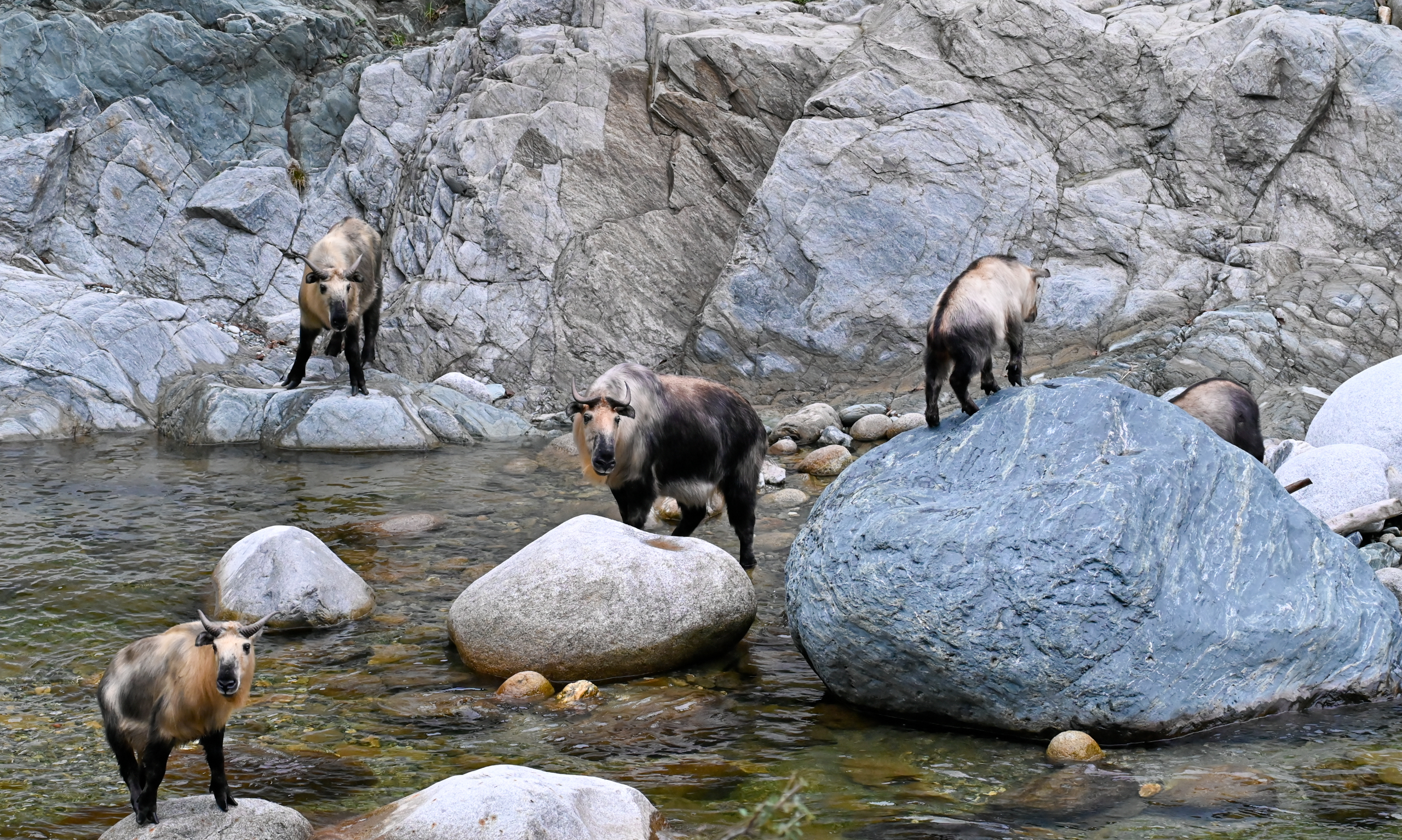
Tangjiahe protects a large, intact mountain forest system in northern Sichuan and forms part of the Giant Panda National Park landscape. Established in 1978, the reserve was created principally to protect giant pandas and their habitat. Its steep valleys, mixed forests and subalpine zones also support an exceptional concentration of other wildlife, including golden snub-nosed monkeys, takins, macaques, pheasants and many smaller forest species. For travelers, its significance is not a single guaranteed sighting but the chance to experience a functioning wildlife habitat where conservation, monitoring and public nature education remain central.
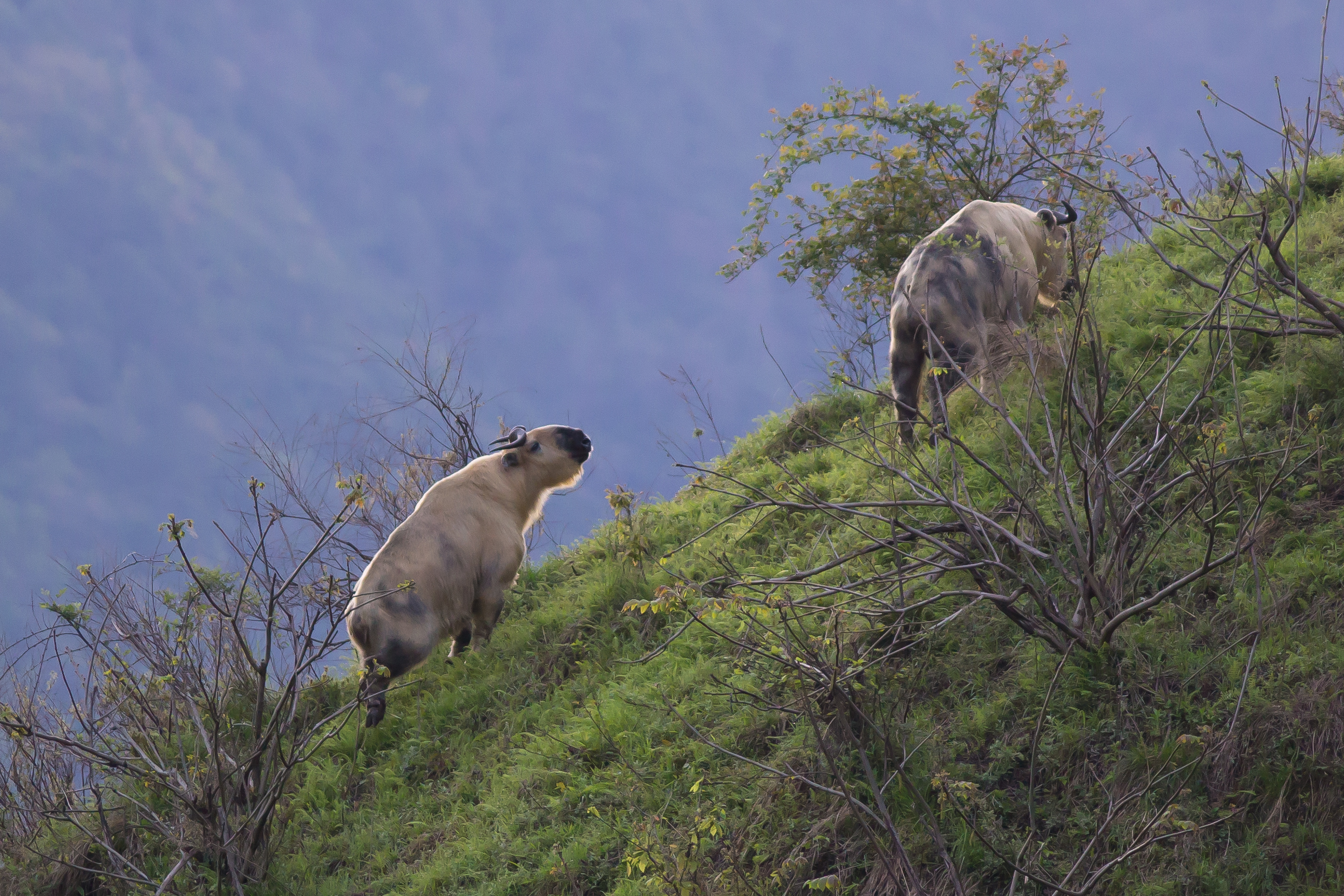
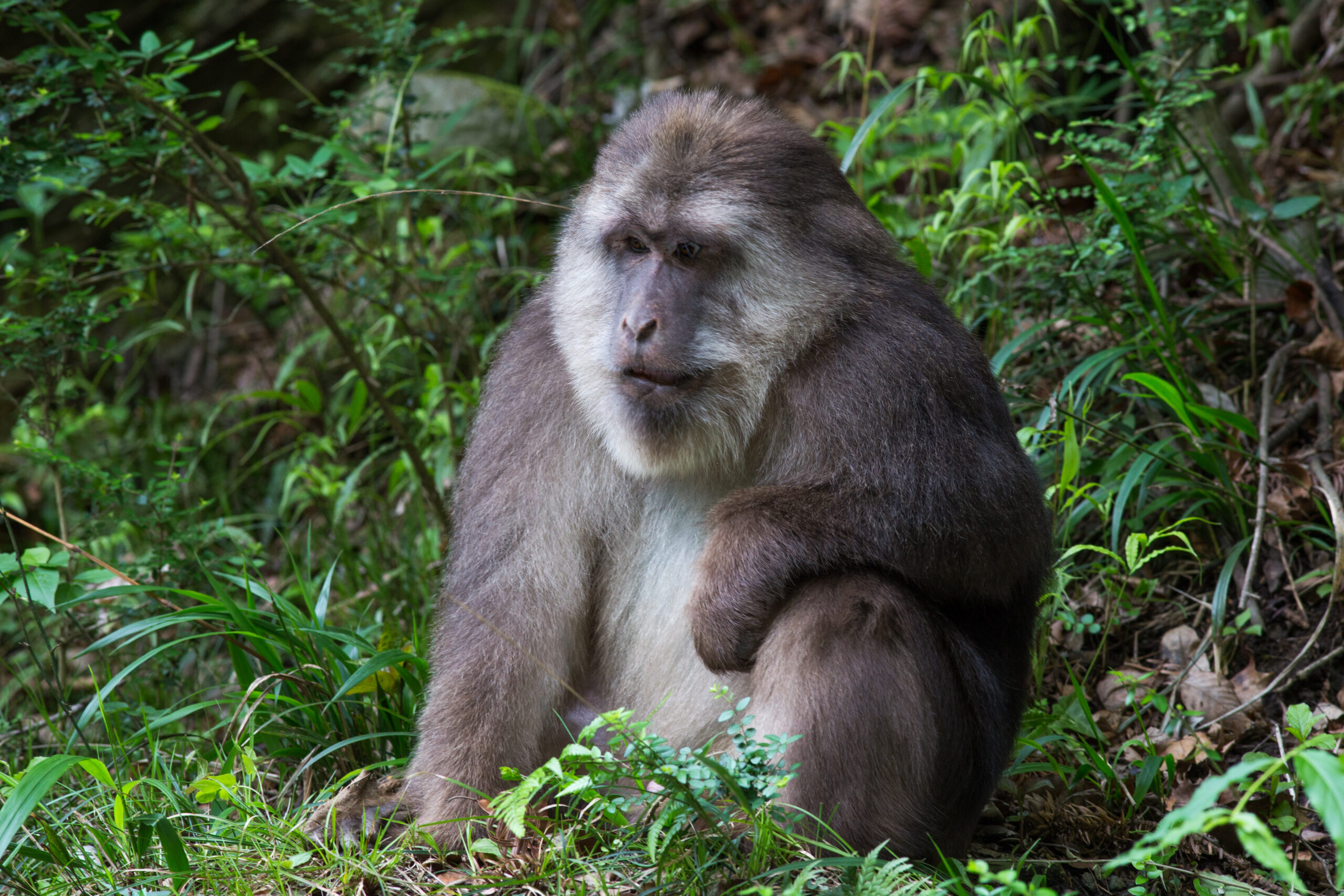
Tangjiahe lies in Qingchuan County, Guangyuan, on the northeastern edge of the Minshan mountain system. Official sources describe a 40,000-hectare protected area with high mountain gorges and extensive forest cover. Today the Tangjiahe area sits within Giant Panda National Park, linking its older nature-reserve history to a larger protected landscape across Sichuan, Shaanxi and Gansu. Visitor experience is therefore shaped by conservation rules, designated access and wildlife-sensitive movement rather than by a conventional scenic-area checklist. Conditions can change, so current park guidance should be checked before travel.
Expect a quiet, habitat-first nature experience rather than a dense sequence of built attractions. Walking routes and road-accessible sections pass through forest, river valleys and mountain slopes where patient observation can reveal macaques, takins, deer, pheasants and other wildlife. Giant pandas occur in the wider protected landscape, but sightings should never be assumed. Seasonal flowers and autumn color add another layer to the experience, while the reserve's conservation story gives even ordinary forest walks more context.
Tangjiahe works best as a slower wildlife and conservation stop. It offers a stronger sense of living habitat than places built around guaranteed animal encounters, and it pairs forest walking with a clear giant-panda conservation context. We would use it for travelers who value patience, field observation and the possibility of seeing several wild species rather than checking off one headline animal.
Allow one full day for a focused visit; two days give more time for repeated observation and weather flexibility.
Mountain weather can shift quickly. Rain, mist and temperature changes affect trail comfort, visibility and wildlife activity.
Mostly designated forest paths and roadside observation, with uneven mountain terrain in places.
Tangjiahe is in Qingchuan County, Guangyuan. Independent visitors should confirm current entry, transport and reservation rules before departure.
Aim for March–June or September–October, while checking current weather and park access before committing.
The strongest impression is forest and wildlife habitat, though accessible sections can attract nature groups and seasonal visitors.
Spring and early autumn balance seasonal scenery with comfortable walking. Wildlife remains unpredictable in every season, so plan around habitat experience rather than a target sighting.
March to June brings active forest growth, flowering plants and generally strong conditions for nature observation.
Lush forest and warm, humid conditions dominate; rain can make paths slippery and wildlife viewing less predictable.
September and October bring colorful forest scenery and cooler walking conditions, making this a particularly attractive season.
Colder conditions thin visitor numbers and change animal activity; higher areas may feel much more demanding.
Wildlife-focused travelers, photographers who accept uncertainty, families interested in conservation, and repeat visitors seeking a quieter natural side of Sichuan.
Travelers needing guaranteed panda sightings, highly structured attractions, luxury facilities, or a fast stop with predictable photo outcomes.
Long lenses help with shy wildlife, but animals may be distant, hidden or absent. Forest light can be low and change quickly.
Compared with a panda breeding base, Tangjiahe offers far less certainty but much more habitat context. Compared with a classic scenic area, it rewards slower observation, repeated stops and comfort with quiet stretches.
Facilities are limited compared with major scenic resorts; carry water, weather protection and suitable walking shoes.