
A forested Sichuan reserve where deep valleys, wildlife habitat and seasonal mountain color meet.
October–November for autumn color
Forest valleys and wildlife habitat
Forest valleys, wildlife and mountain views
1–2 days
Labahe sits in Tianquan County on the eastern side of Erlang Mountain, where the Sichuan Basin rises toward the Tibetan Plateau. Official local sources describe the area as a biologically rich forest landscape with high mountain valleys, streams, waterfalls, cloud seas and extensive wildlife habitat. The visitor-facing Labahe scenic area is also identified as an important part of the Labahe Nature Reserve and a key node in the Tianquan section of Giant Panda National Park. For travelers, its value is less about a single landmark than about experiencing a protected mountain ecosystem where forest structure, elevation and seasonal change shape the landscape.
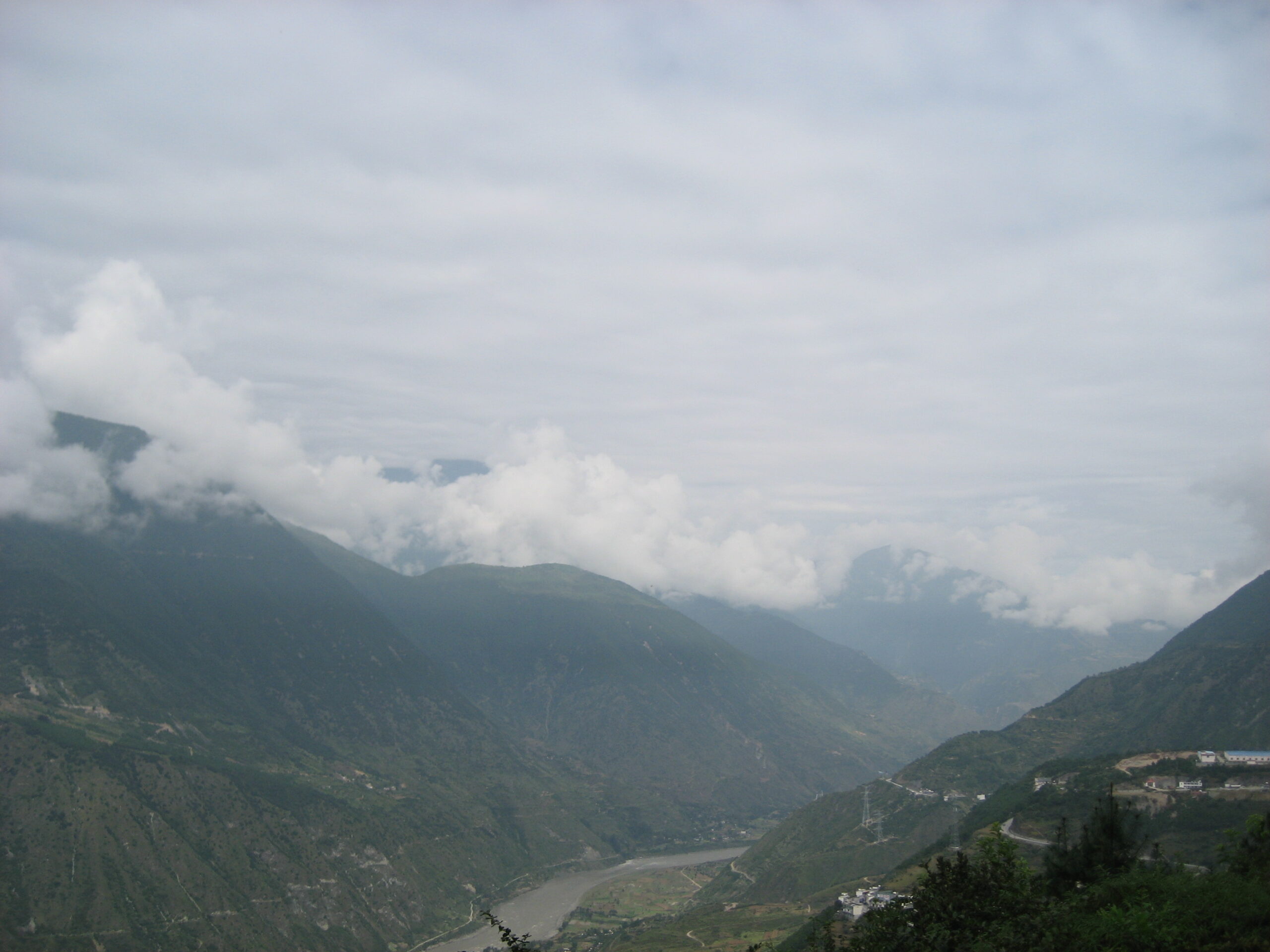
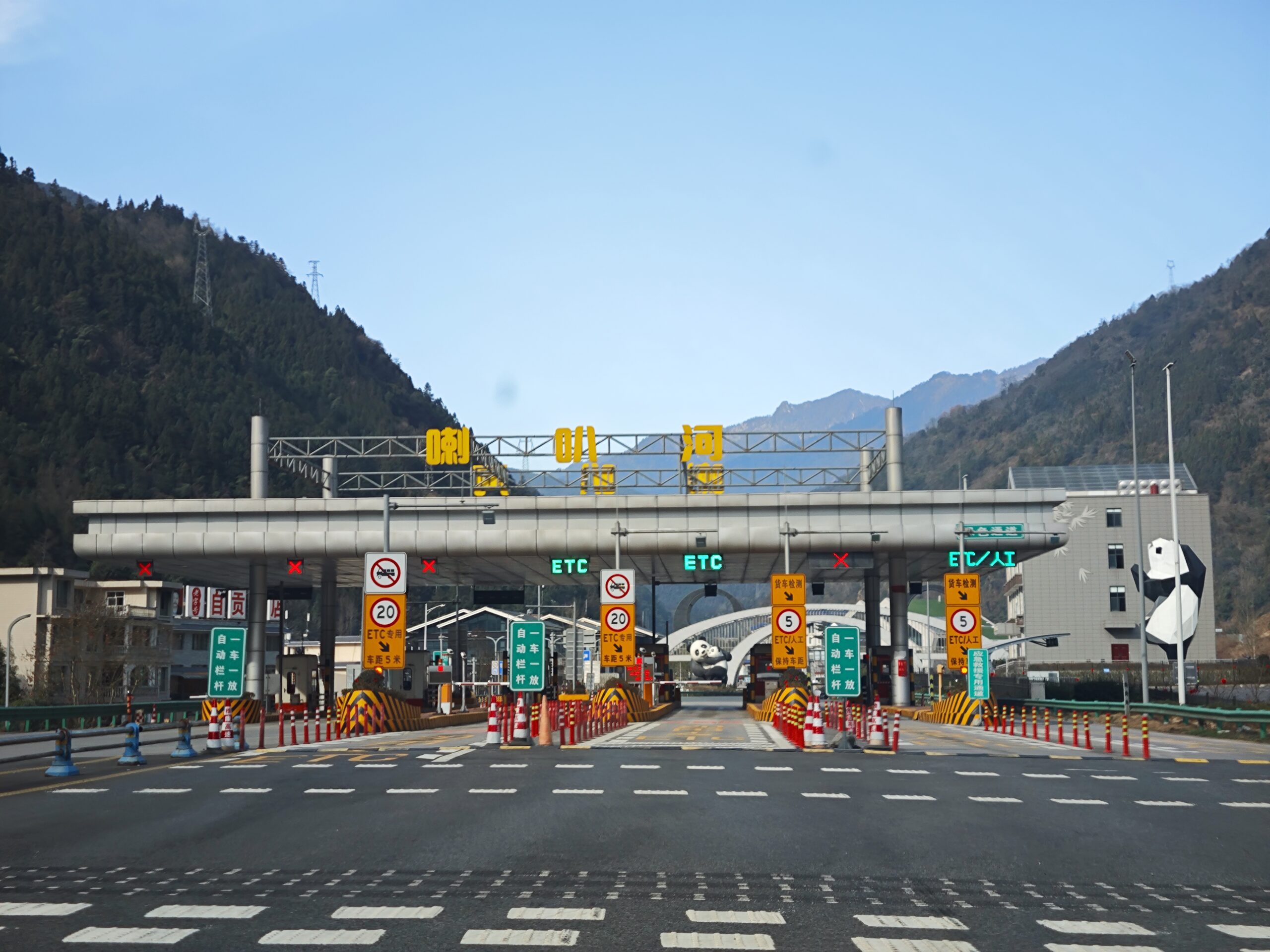
Labahe lies in Tianquan County, Ya’an, along the eastern approaches to Erlang Mountain. The tourist area is reached from the G318 corridor and occupies high-relief terrain where core scenic elevations run roughly from 1,500 to 3,700 meters. Local government sources distinguish the tourism zone from the wider protected landscape while describing it as an important component of the Labahe Nature Reserve and Giant Panda National Park’s Tianquan area. That distinction matters: visitors encounter managed roads, trails and visitor facilities, but the surrounding conservation landscape remains habitat for rare plants and wild animals, so wildlife encounters should never be assumed.
Expect a mountain-forest experience built around valleys, streams, waterfalls, broadleaf and conifer woodland, changing elevations and seasonal color. Official descriptions also note macaques, sambar deer, takin and other wildlife in the wider area, but sightings remain unpredictable. The visitor zone includes developed access and a mountain cableway, so the experience can combine easy scenic viewing with more active walking rather than functioning as a remote backcountry reserve visit. For a focused wildlife itinerary, see our red panda tours in China.
Labahe can add a very different texture to a Sichuan nature itinerary: forest immersion, elevation change and a strong protected-landscape context rather than a city or single-viewpoint stop. Its role is strongest when an itinerary needs a slower mountain interval between transport-heavy days, with wildlife habitat and seasonal scenery as the focus rather than any promised animal sighting.
One night allows a fuller afternoon-and-morning rhythm; two nights suit slower walking, weather flexibility and a better chance to experience different elevations.
Conditions can shift quickly with elevation. Tianquan is rainy, and upper areas can be much cooler, so waterproof layers and flexible timing are sensible year-round.
Walking ranges from short scenic paths to longer mountain sections; gradients, wet surfaces and elevation can make some routes noticeably more demanding.
The Labahe scenic area is in Tianquan County on the G318 corridor, about 180 km from Chengdu according to local government tourism information.
Prioritize late October into November for autumn color; use summer for a cooler forest break, with rain planning built into the schedule.
Managed visitor facilities sit within a much larger forest landscape, creating a mix of accessible viewpoints and a distinctly wild mountain setting.
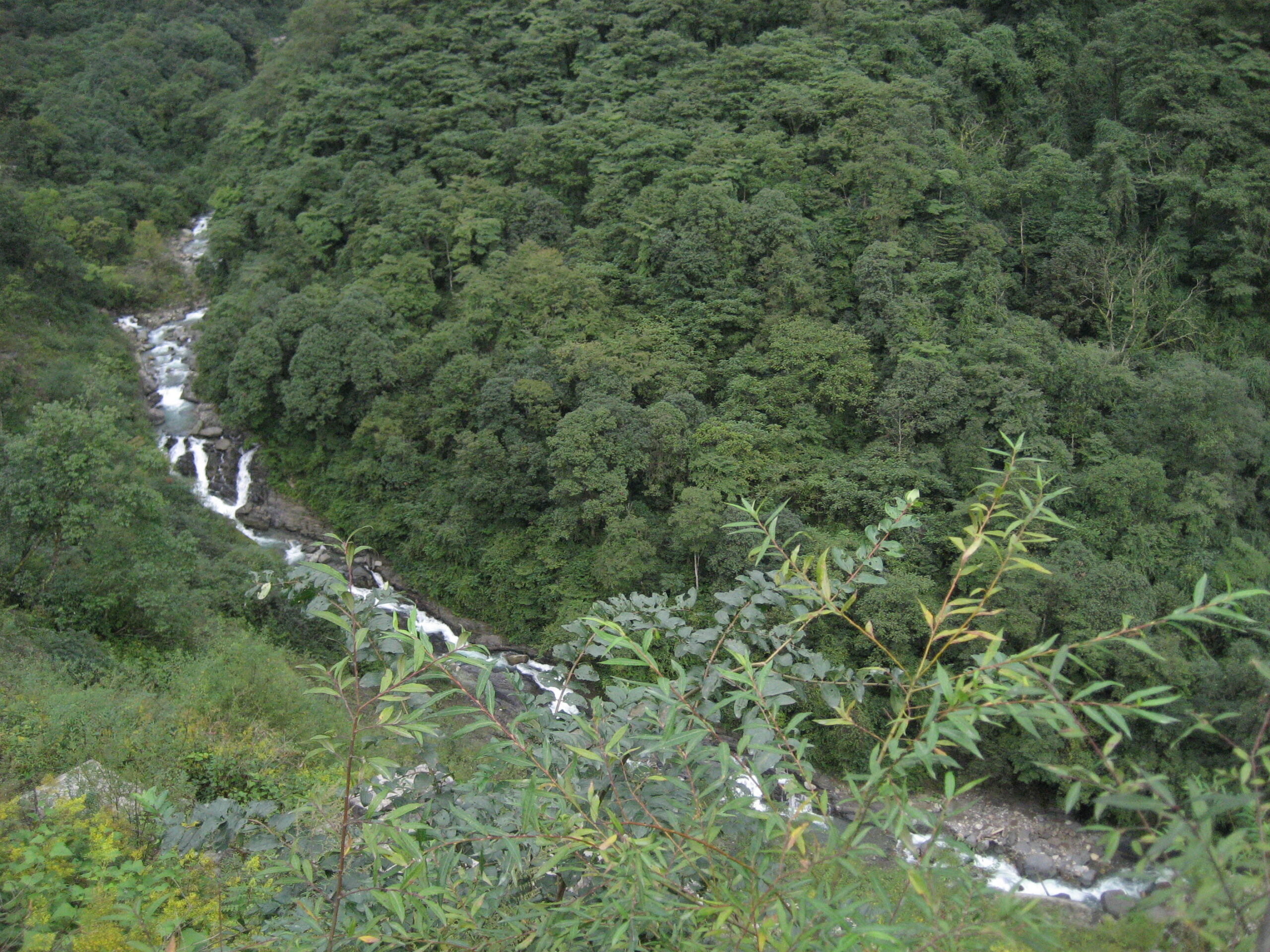
For scenery, late October into November is the clearest seasonal choice because local sources specifically highlight autumn foliage. Summer suits travelers seeking cooler forest conditions, while spring offers rhododendrons and winter can bring snow and ice.
Spring brings fresh forest growth and rhododendron displays, with mountain conditions changing quickly across the reserve's large elevation range and wetter weather remaining possible.
Summer is promoted locally as a cool mountain escape, though Tianquan is notably rainy; wet-weather gear and flexible timing remain useful when moving through forested valleys and higher elevations.
Autumn is the strongest landscape season for color, with local tourism sources highlighting red leaves and layered forest foliage from late October onward across the mountain slopes and valleys.
Winter brings snow, ice and a quieter mountain atmosphere; cold conditions can affect walking comfort and the operation of high-elevation visitor facilities, so current access should be checked.
Best for travelers who value forest scenery, seasonal color, protected landscapes and flexible wildlife watching, especially those comfortable with mountain weather and no guaranteed animal sighting.
Less ideal for travelers seeking guaranteed panda encounters, fully urban comforts, or a quick landmark stop that can be completed without mountain-weather flexibility, walking or schedule changes.
The strongest images are often landscapes, forest layers, mist, streams and autumn color. Wildlife photography depends on chance, distance, light, animal behavior and access conditions, so results should never be assumed.
Compared with a tightly managed wildlife center, Labahe offers a broader habitat experience with greater uncertainty and more emphasis on landscape. Compared with a pure hiking destination, it provides more visitor infrastructure, easier scenic access and a wider mix of short and active experiences.
Visitor infrastructure includes accommodation, dining and sightseeing facilities, but mountain weather and elevation can make conditions cooler and wetter than nearby lowlands.