
A river-and-karst city where limestone towers frame cruises, caves, lakes and countryside journeys.
April–June; September–October
Li River scenery and tower karst
Li River cruising and karst landscapes
3–4 days
Guilin matters because its landscape is not simply scenic backdrop: it is one of the world’s reference areas for humid subtropical karst. UNESCO’s South China Karst property includes Guilin’s fenglin tower karst and fengcong cone karst, with the Lijiang and Putao sections protecting a large, river-shaped limestone landscape.
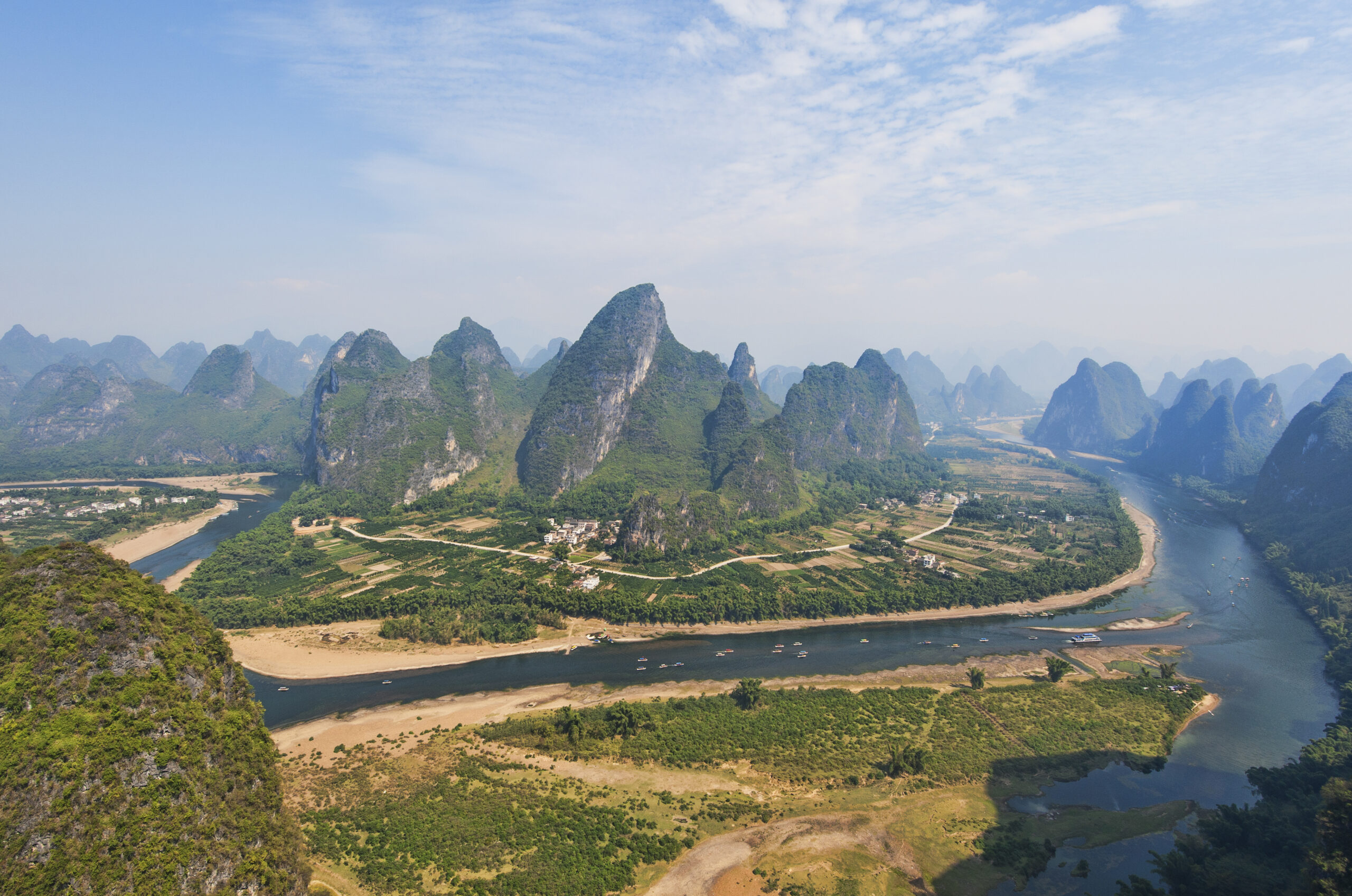
For travelers, that geology becomes immediately legible. The Li River threads between steep green peaks on the route toward Yangshuo, while caves, riverside villages and agricultural scenery make the wider region feel continuous rather than confined to one viewpoint. Guilin works best as a landscape gateway, not just a city stop.
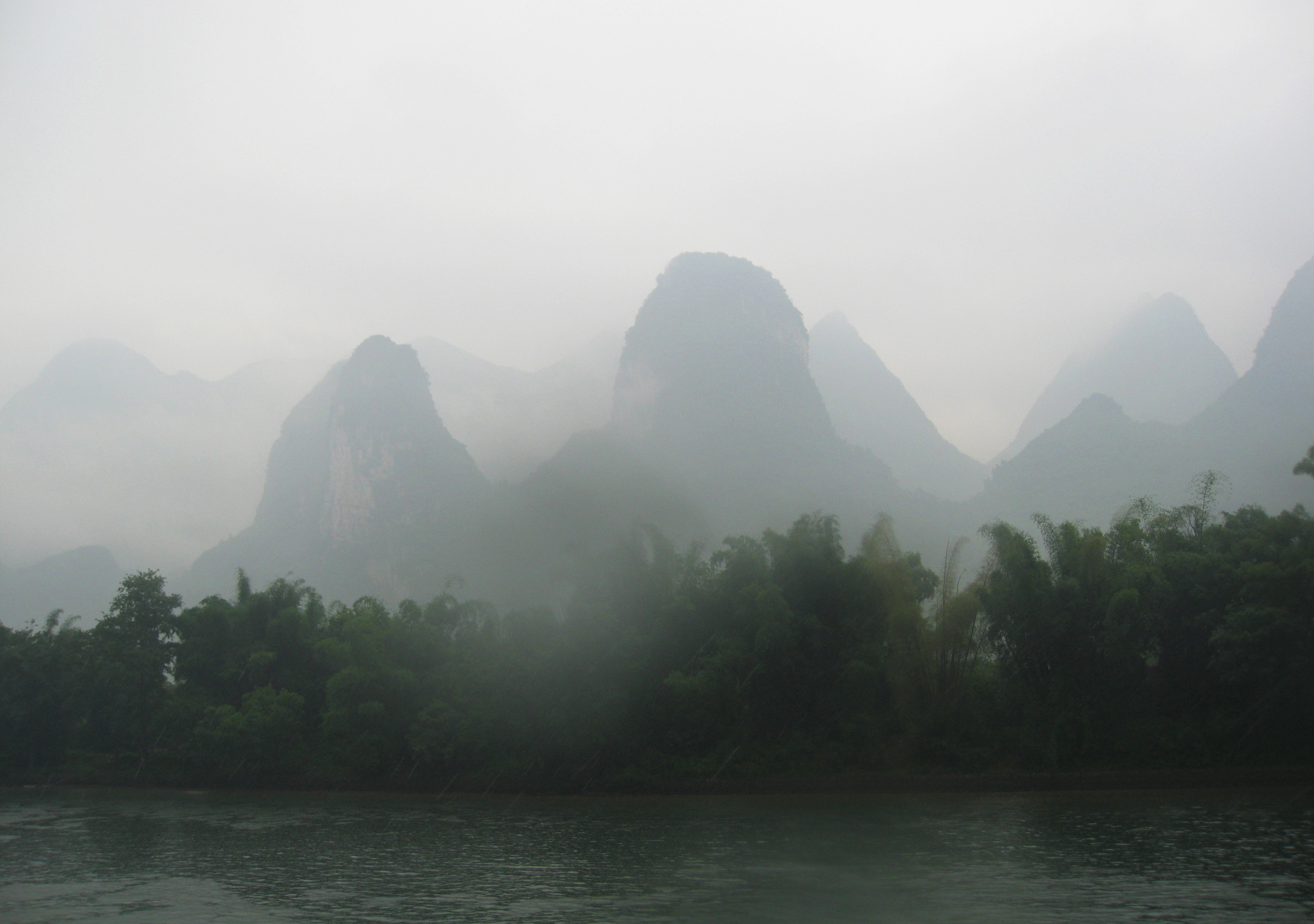
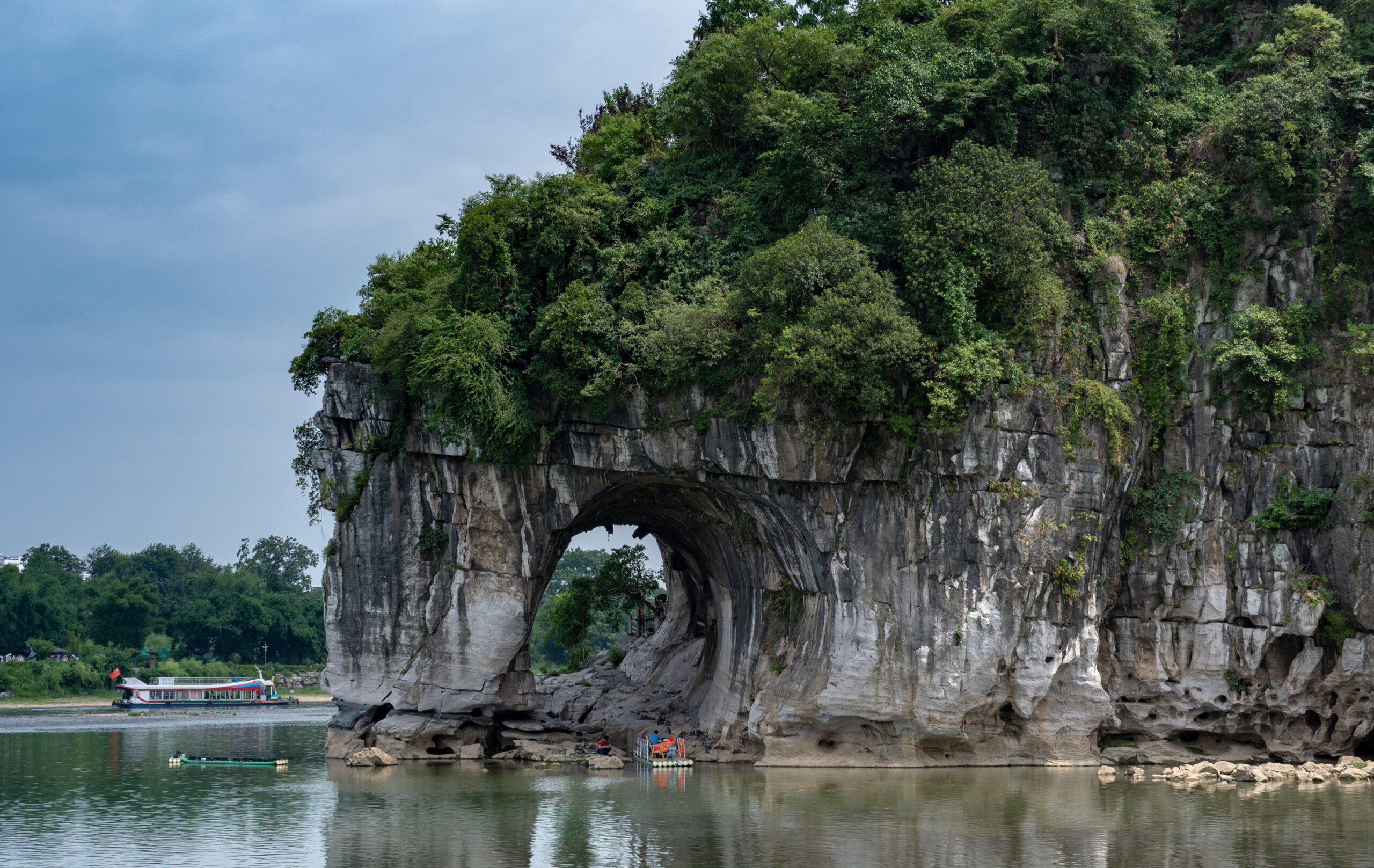
Guilin sits in northeastern Guangxi and anchors a broader travel region that includes the Li River corridor and Yangshuo. The city itself offers lakes, rivers, caves and urban viewpoints, but its strongest context comes from the surrounding karst basin, where limestone towers rise directly from cultivated lowlands and waterways.
The classic journey follows the Li River south. Official scenic-area information places the main cruise corridor between piers outside Guilin and Yangshuo, passing through the core Guilin Karst landscape. This makes Guilin useful as an arrival and orientation base before travelers continue into the more rural scenery farther downriver.
Expect a mix of river travel, limestone scenery and compact city sightseeing. A Li River cruise toward Yangshuo is the signature experience, while caves, lakes and hills around Guilin provide shorter outings. Beyond the city, cycling and walking through rural karst country add a slower perspective on the same landscape. The destination is accessible without demanding hiking, but weather and river conditions can shape how each day works.
We use Guilin as a gateway to one of China’s most recognizable karst landscapes. It combines practical transport and city services with easy access to the Li River and the wider Yangshuo corridor, so a journey can move naturally from urban arrival to river scenery and rural landscapes without treating each stop as a disconnected attraction.
Three to four days gives enough time for a Guilin city introduction, the Li River journey and at least one slower landscape day beyond the urban core.
Guilin’s climate is humid and rain is a real planning variable. April through June are especially wet, while July and August combine heat with frequent showers.
City sights are walkable, but the wider region is spread out and usually requires vehicles, boats or transfers between key areas.
Guilin works well as a transport base for the Li River and Yangshuo corridor, with cruise departures typically reached by road from the city.
Spring and autumn usually balance milder temperatures with workable outdoor conditions; late spring is wetter, while midsummer is hotter and more humid.
Popular river cruises and headline viewpoints can feel busy, while quieter cycling, village and countryside routes offer a more spacious experience.
Spring turns progressively warmer and wetter. Rain increases sharply from March into April and May, so river scenery can be lush but itineraries benefit from weather flexibility.
Summer is hot, humid and rainy. Mean daytime highs reach the low 30s Celsius in July and August, with frequent rain and a higher need for shade and hydration.
Autumn is warmer at first, then becomes milder and drier. September and October bring lower rainfall than late spring and summer, making outdoor days easier to plan.
Winter is cooler and comparatively drier. Daytime temperatures are mild by northern-China standards, but damp conditions and cooler mornings can still require layered clothing.
Less ideal for travelers wanting a purely urban break or a tightly scheduled trip with little weather flexibility, because the strongest experiences depend on moving beyond the city and spending time outdoors.
Karst, water and changing weather can create strong landscape conditions, but haze, rain and flat light are common enough that no specific photographic result should be expected.
Comfort is generally high for mainstream sightseeing, though heat, humidity and frequent rain in warmer months can make outdoor days feel more tiring.