
A river metropolis where historic streets, global architecture and everyday Shanghai meet in motion
March–May; October–November
Bund skyline, shikumen and city walks
Waterfront architecture and neighborhood walks
3–4 days
Shanghai matters because its modern identity is legible in the city itself. Along the Huangpu River, the historic Bund faces the high-rise skyline of Lujiazui, turning a short river crossing into a visible record of radically different urban eras. The story continues inland through shikumen lanes, former concession streets, markets, museums and everyday neighborhood life.
This is not only a city of icons. Shanghai’s value comes from moving between scales: global finance and local breakfast shops, restored waterfronts and residential lanes, Jiangnan traditions and international influences. That layering makes the city a useful place for understanding how modern China became urban, outward-facing and culturally hybrid.
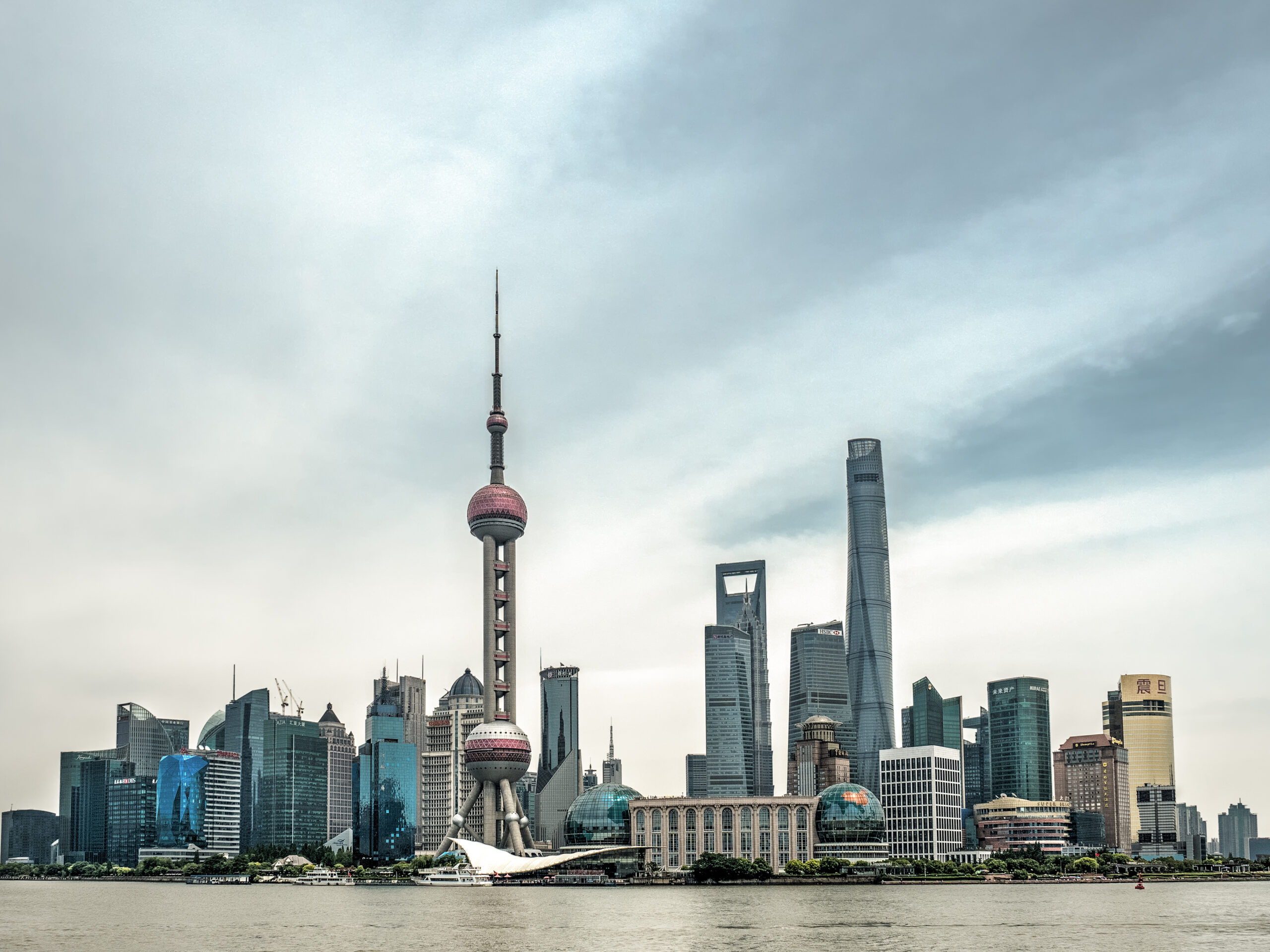
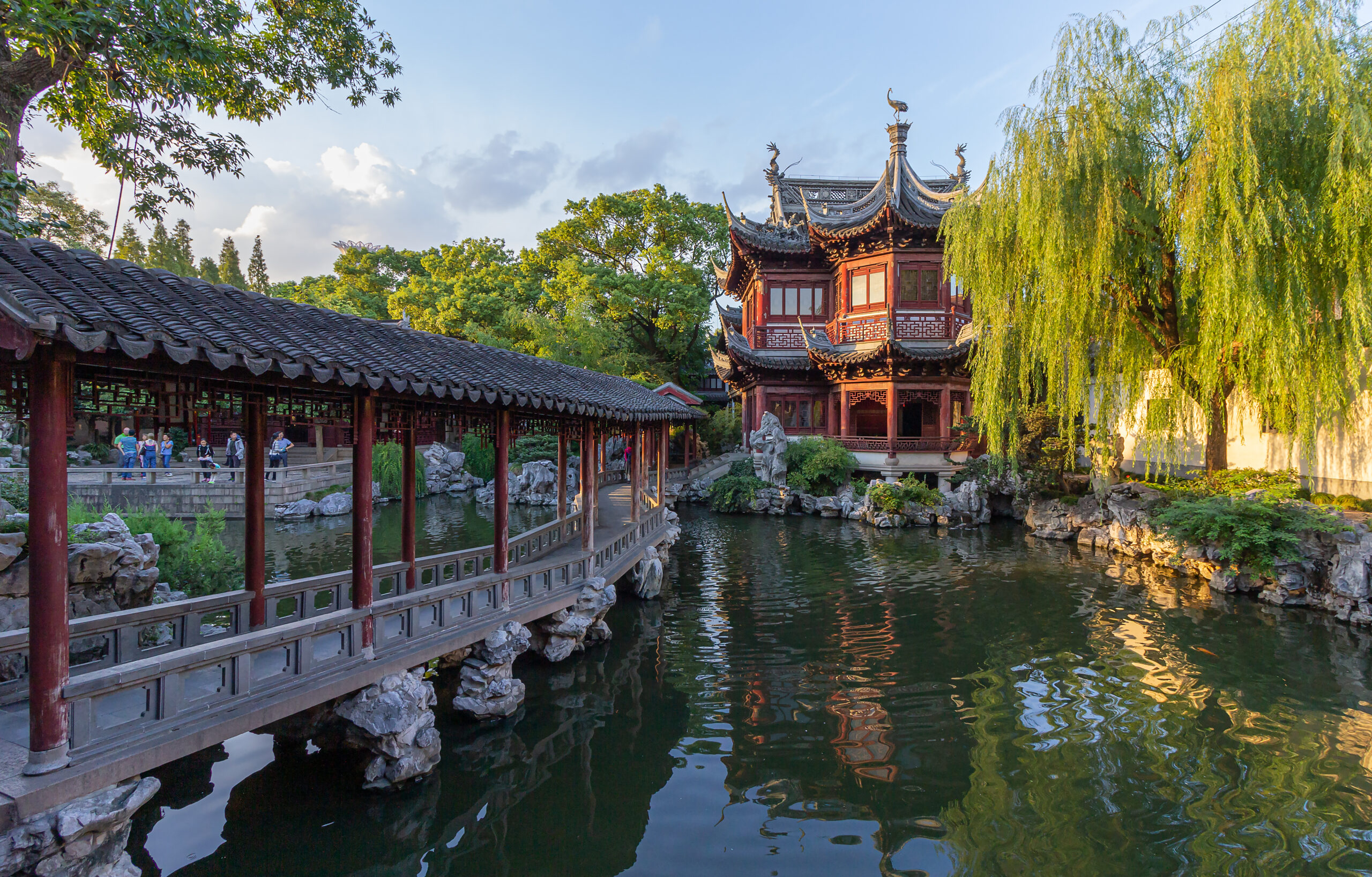
Shanghai is a municipality at the Yangtze River estuary, but a first visit is usually concentrated in the central districts around the Huangpu River. Puxi holds the Bund, many historic neighborhoods and much of the older street fabric; Pudong’s Lujiazui skyline represents the city’s dramatic post-1990 development.
Good planning works by neighborhoods rather than by collecting distant landmarks. Pair the Bund with nearby Huangpu streets, connect shikumen and former concession areas through walking, and treat Pudong as a deliberate contrast across the river. Yuyuan adds a Jiangnan architectural layer, while Suzhou Creek and newer waterfront spaces show how industrial and civic landscapes continue to be reused.
Expect a city experience built around walking, metro rides, museums, food and repeated shifts in architectural scale. The Bund and Lujiazui provide the clearest skyline contrast, while shikumen lanes, tree-lined streets, Yuyuan and Suzhou Creek bring the focus down to neighborhood texture. Shanghai rewards unhurried blocks of exploration more than constant cross-city transfers, especially when meals, galleries and waterfront time are used to connect the historic and contemporary city.
Shanghai works best when a journey needs a readable introduction to modern urban China without separating history from daily life. We would use the riverfront for the big visual contrast, then shift into shikumen lanes, food, museums and neighborhood walking. The destination becomes stronger when travelers notice how Jiangnan traditions, treaty-port history and contemporary global-city life overlap within a compact urban sequence.
Three days covers the major urban layers; four days gives better room for neighborhood walking, museums, food and one slower waterfront or cultural block.
Weather changes the rhythm more than the destination itself. Heat, plum-rain humidity, typhoon periods and damp winter conditions all reward flexible indoor-outdoor sequencing.
Central areas reward long walks overall; sidewalks are generally straightforward, but full days can become tiring when neighborhoods are linked on foot.
Two airports, national rail links and an extensive metro make Shanghai highly accessible; allow extra time for major stations and airport transfers.
Prioritize spring or later autumn for walking-heavy days. Summer needs heat and rain breaks; winter works when indoor culture is part of the plan.
This is a dense metropolis. Headline waterfronts and shopping streets can be busy, while residential lanes and creekside walks offer quieter moments.
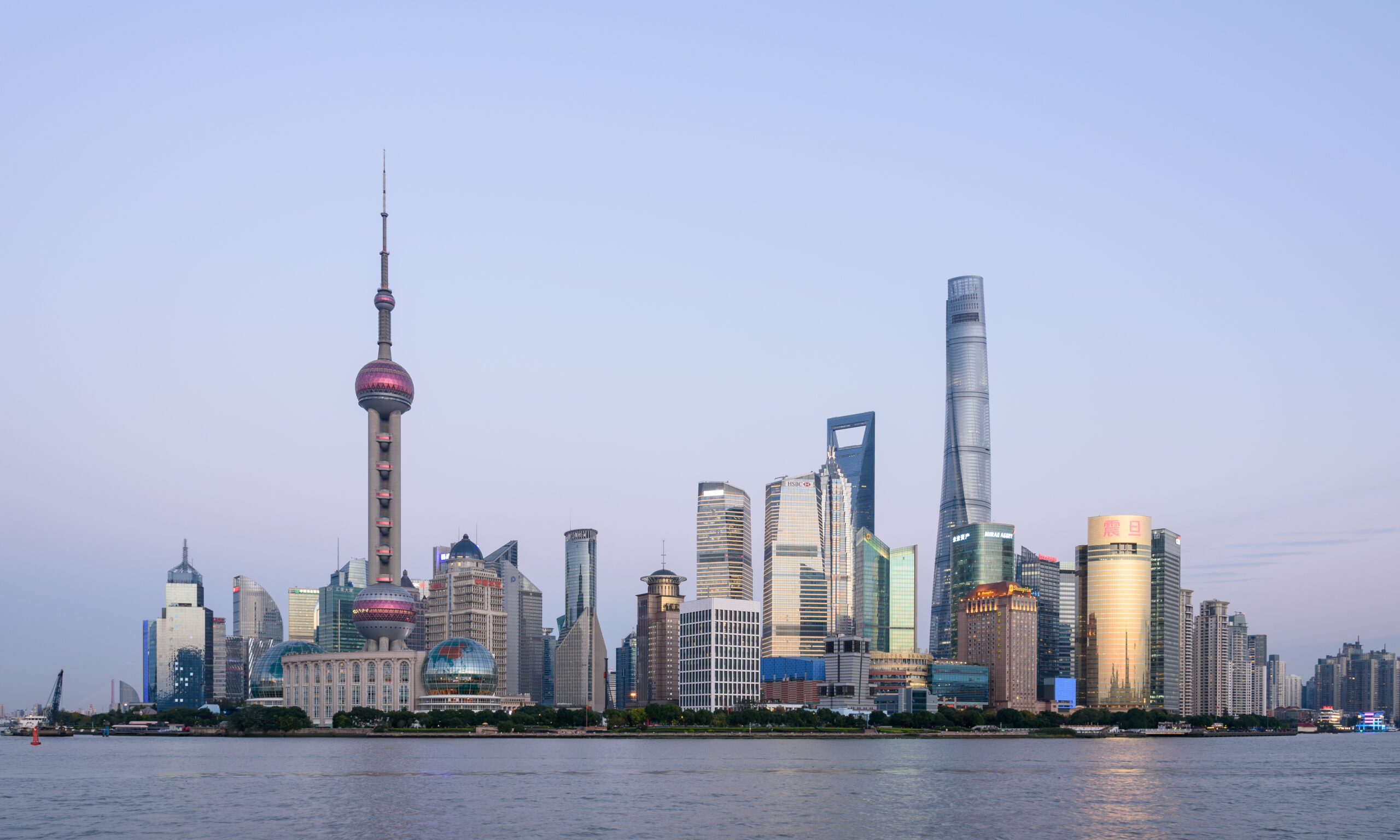
Spring and later autumn usually give the best balance for walking and outdoor city time. Early autumn can still bring typhoon risk, while summer heat and the plum-rain season require flexible pacing and indoor alternatives.
Spring is mild and changeable, with frequent drizzle and temperatures rising through March to May; it suits walking if plans remain flexible around rain.
Summer is hot and humid, with frequent days above 35 C, afternoon thunderstorms and the plum-rain period from mid-June into early July, so pacing matters.
Autumn cools gradually and is well suited to outdoor walking, though late-August to mid-September can bring typhoon-related wind, heavy rain and disrupted outdoor plans.
Winter is cold and damp rather than reliably snowy; temperatures are often cool enough for city walking, but humidity and north winds can feel sharper.
Travelers interested in architecture, modern history, design, food and street-level urban life; especially those who prefer understanding a city through neighborhoods, waterfronts and daily routines rather than only landmark checklists.
Travelers seeking quiet nature, low-density surroundings or a minimal-walking city break may find central Shanghai intense; very short stays can also reduce the experience to headline skyline stops instead of neighborhood texture.
Strong photographs often come from contrast: Bund stonework against Pudong towers, shikumen details against modern streets, or river reflections. Popular viewpoints can be crowded, and haze, rain or flat light can soften skyline views, so avoid depending on one panorama.
Compared with Beijing, Shanghai offers less imperial monumentality and more modern urban layering; compared with Hong Kong, it reads as a broader mainland metropolis with a different riverfront scale, shikumen heritage and Jiangnan context. These are useful planning contrasts rather than claims that one city is inherently better.
Urban infrastructure is strong, but summer heat, humidity, rain and winter dampness can reduce comfort during long outdoor sightseeing days, especially on exposed waterfronts.