
A high-altitude gateway to Qinghai where river-valley city life meets layered Tibetan, Hui and Han cultures.
May–September for milder days
Highland culture and Qinghai gateways
Museums, mosques, markets and plateau culture
1–2 days
Xining is more than a transit stop on the way to Qinghai Lake or the Tibetan Plateau. As Qinghai’s capital and a major transport hub, it concentrates the province’s museums, markets, religious architecture and everyday urban life in one accessible base. Its setting in the Huangshui River valley, around 2,275 metres above sea level, gives visitors an immediate sense of the plateau environment without the remoteness of more distant regions. The city also offers a useful introduction to the overlapping Hui, Tibetan and Han cultural traditions that shape eastern Qinghai, making it a practical first chapter for a wider journey.
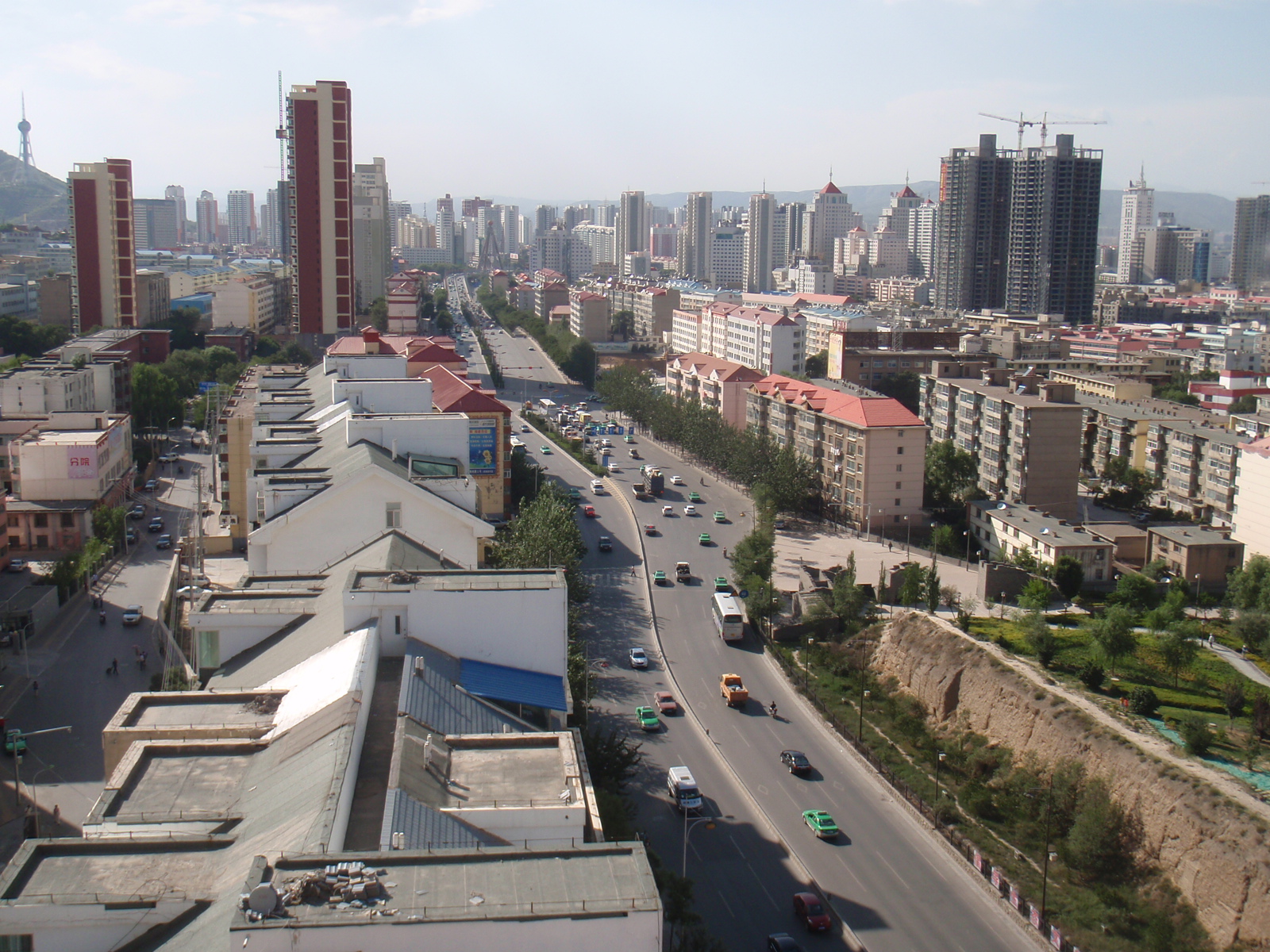
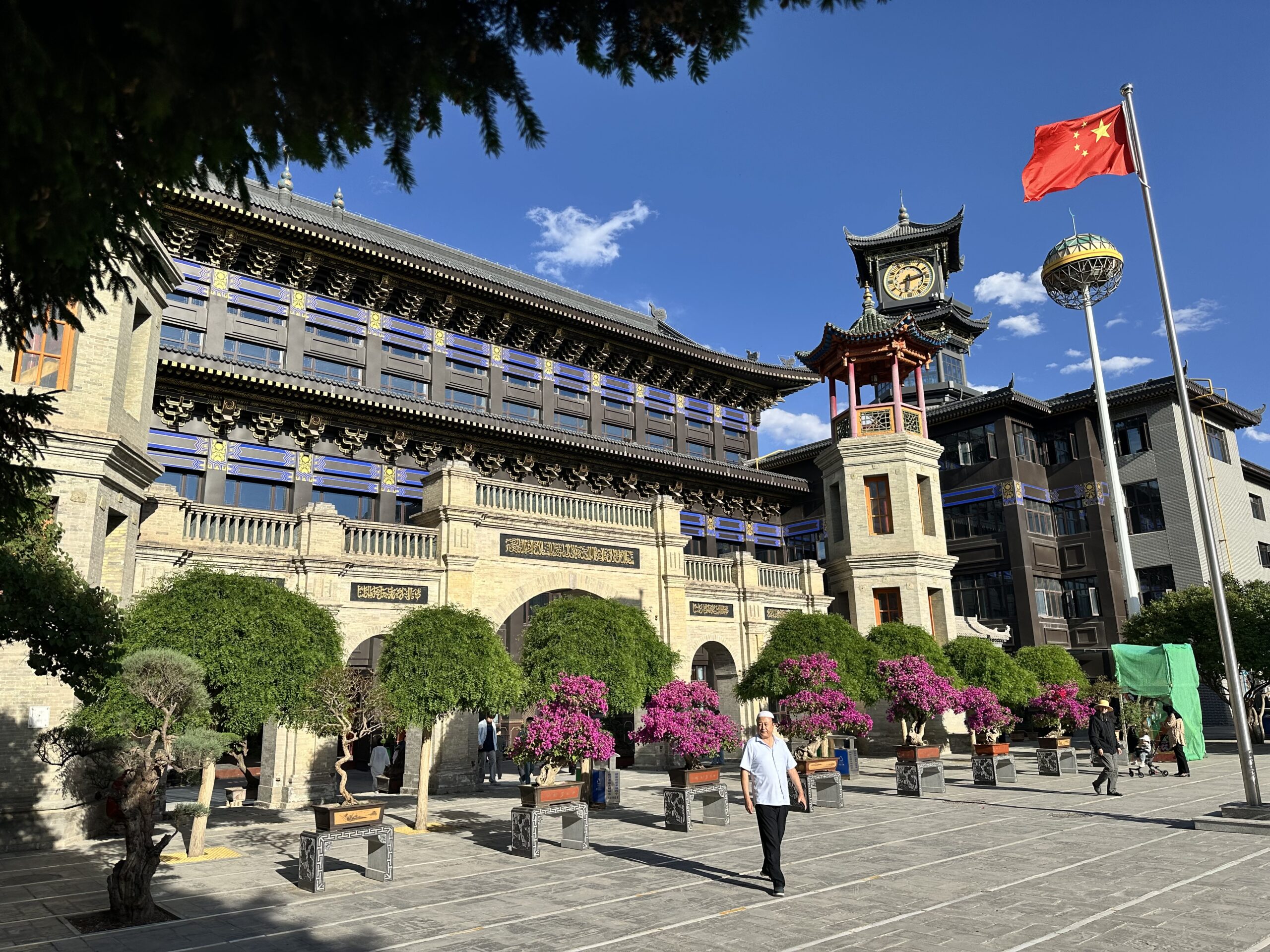
Xining sits in eastern Qinghai where the Huangshui River and tributary valleys create a lower, more settled corridor through high country. The city centre stands at roughly 2,275 metres, with strong sunshine, large day-night temperature swings and cool summers typical of its semi-arid plateau climate. Historically, this corridor linked routes across northwestern China and toward the Tibetan Plateau. Today the same geography supports Xining’s role as a regional transport and tourism hub. Visitors encounter modern commercial districts alongside historic religious sites, museums, food streets and neighborhoods shaped by Qinghai’s multi-ethnic population, while major plateau landscapes remain outside the urban core.
Xining works best as a compact cultural orientation stop before or after longer journeys through Qinghai. Time in the city can combine provincial museums, historic religious architecture, local food streets and contemporary neighborhoods, with a slower pace than China’s largest cities. The strongest experience comes from noticing how plateau geography and multiple cultural traditions coexist in daily life rather than treating Xining only as an airport or railway connection.
We use Xining as an orientation and transition point rather than a destination that needs many days. It lets travelers adjust to higher elevation, understand Qinghai’s cultural mix, and gain context in museums and neighborhoods before moving into more remote landscapes. It also reduces logistical strain because rail, air and road connections converge here, making the city useful for pacing a broader Qinghai itinerary.
One full day covers a focused city introduction; two days allow museums, religious sites, food streets and a slower adjustment to altitude.
Strong sun, dry air and large day-night temperature swings matter year-round; summer is mild but also carries most of Xining’s annual rainfall.
Central districts are walkable in sections, but sights are dispersed enough that taxis, ride-hailing or public transport save time and energy between major clusters.
Xining is Qinghai’s main transport gateway, with a major railway station, an airport serving many Chinese cities, and road links toward regional attractions.
May to September is the most practical window for mild daytime weather, longer touring hours and straightforward onward connections into wider Qinghai, though summer showers remain possible.
Xining feels urban and busy rather than wild; quieter parks and nearby valleys soften the city, while major wilderness experiences require travel beyond town.
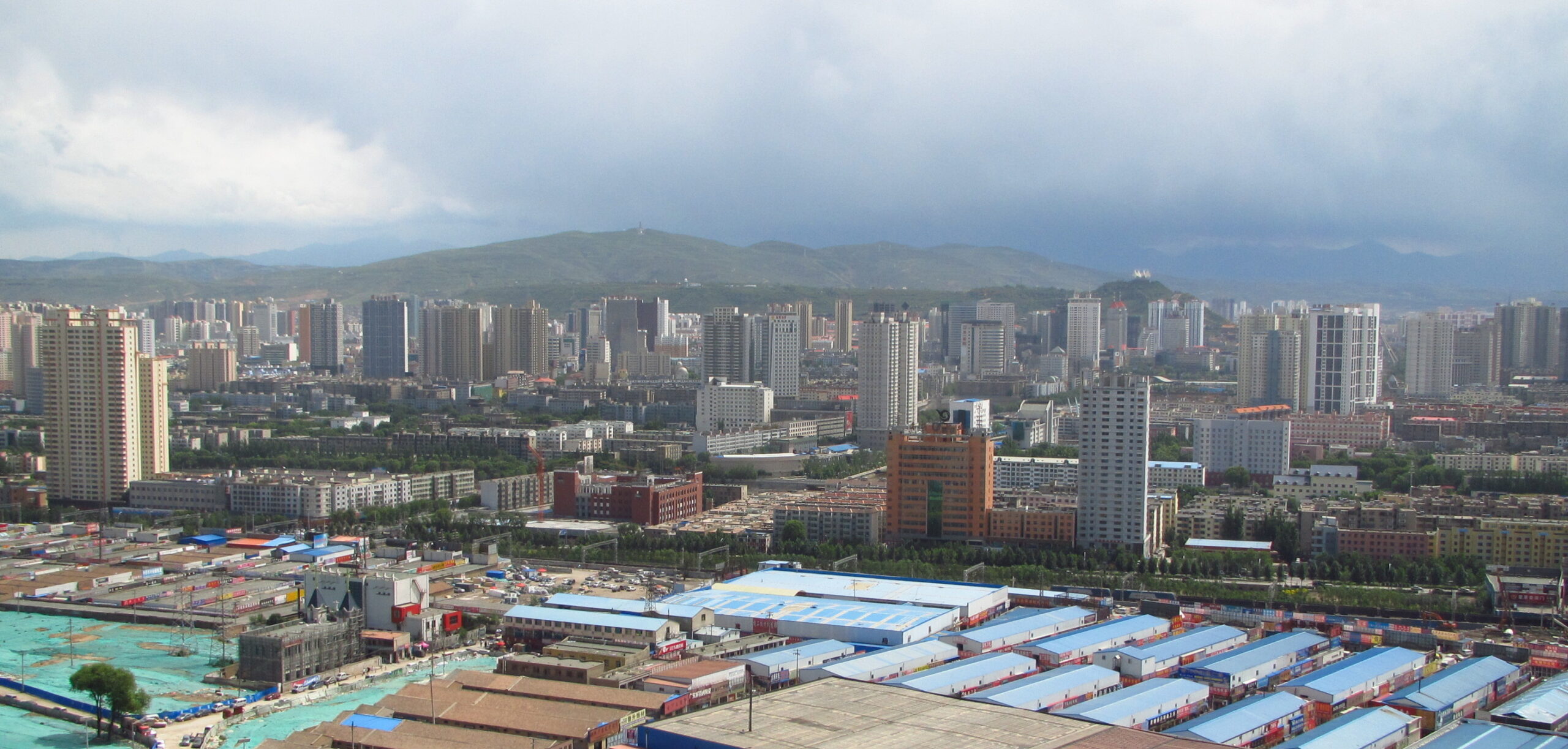
Late spring through early autumn offers the easiest balance of mild temperatures, longer sightseeing days and practical regional travel, while summer is especially attractive for travelers escaping heat elsewhere in China.
Spring is cool, dry and often windy, with strong sun and large temperature swings; conditions improve steadily toward May as daytime temperatures become more comfortable.
Summer brings Xining’s mildest daytime temperatures and busiest visitor season, but much of the annual rainfall also falls in these months, so showers remain possible.
Early autumn is crisp and often comfortable, with clear highland light; temperatures drop quickly later in the season, especially after sunset, so warm layers matter.
Winter is cold and dry with bright sunshine and fewer visitors; short days, freezing nights and low daytime temperatures make outdoor sightseeing less forgiving.
Travelers beginning a Qinghai journey, culture-focused visitors, and anyone who values a comfortable urban base, good transport connections and useful historical context before longer road or rail segments across the plateau.
Travelers seeking dramatic wilderness immediately, resort-style relaxation, or a self-contained city break packed with major headline monuments may prefer to keep the stay short and use Xining mainly as a gateway.
The strongest images usually come from layered city-and-mountain views, religious architecture, markets and evening street life; midday plateau light can be harsh and contrasty, so early or late light is often easier.
Compared with Qinghai Lake or remote plateau routes, Xining offers less dramatic scenery but much easier logistics, richer urban culture and better historical context. It is strongest as a gateway and orientation stop rather than the scenic climax of a Qinghai journey.
The city is generally straightforward for urban travel, but the elevation, strong sun and dry air can make the first day feel more tiring.