
China’s imperial capital, where monumental heritage meets hutong life and the scale of modern Beijing.
April–May and September–October
Imperial landmarks, hutongs and Peking duck
Imperial sites, hutongs and the Great Wall
4–5 days
Beijing brings several of China’s most consequential historic landscapes into one immense living capital. The Forbidden City preserves the ceremonial and architectural logic of the Ming and Qing imperial court, while the Temple of Heaven and the Beijing Central Axis show how ritual, planning and political order shaped the city. Beyond the monumental core, hutong neighborhoods and courtyard lanes give that history a human scale. The nearby Great Wall adds another layer, connecting a city stay with one of China’s defining defensive landscapes.
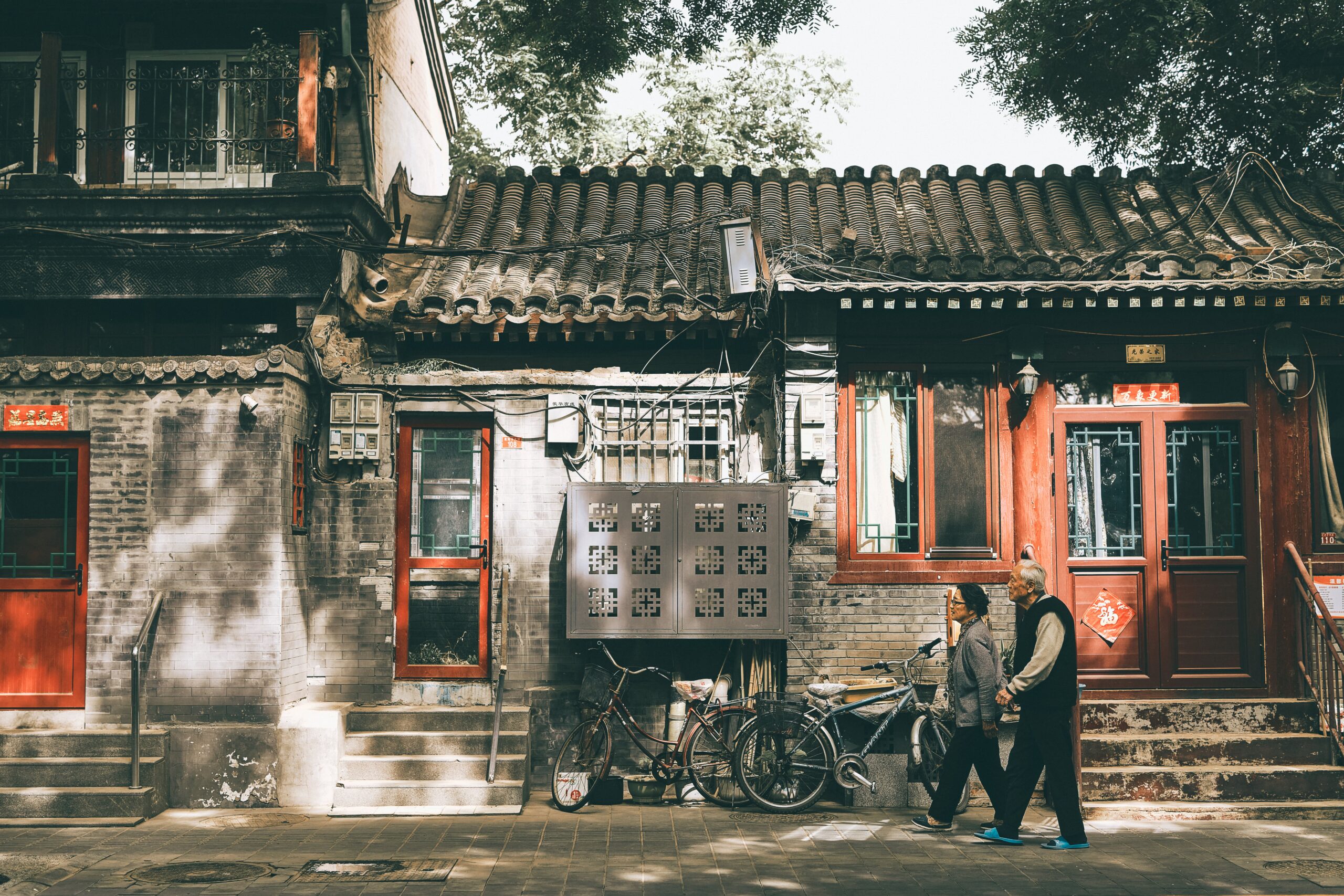
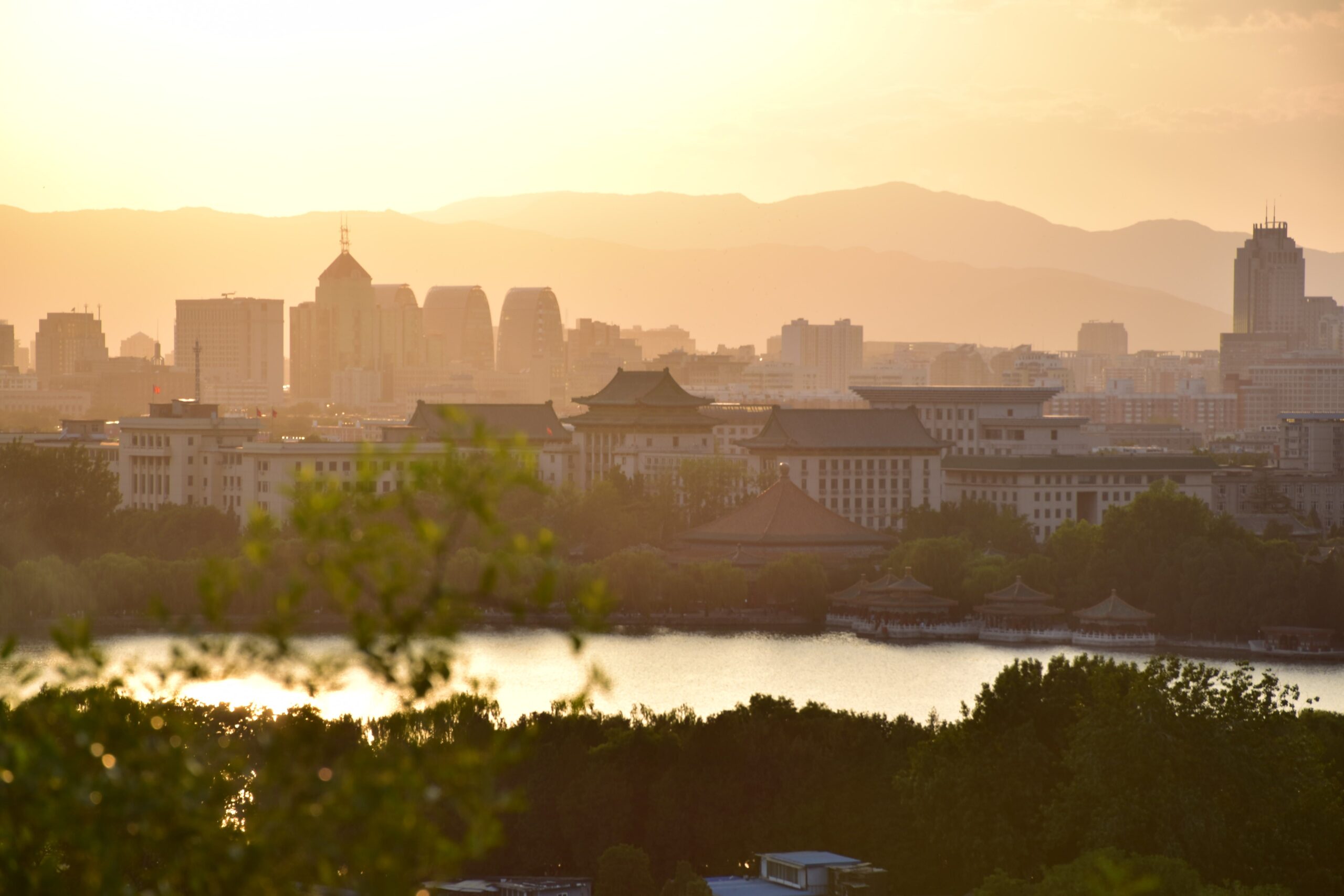
Beijing rewards travelers who move between scales. At the center, the Forbidden City, Temple of Heaven and historic north–south axis explain the ceremonial logic of the old capital. Around them, hutongs reveal narrower lanes, courtyard architecture, small businesses and neighborhood routines. Farther out, Great Wall sections turn the journey into a mountain excursion beyond the urban core. Modern museums, transit and commercial districts sit alongside these older layers, so the strongest visit usually alternates headline heritage sites with slower neighborhood time rather than treating the city as a monument checklist.
Expect a mix of monumental heritage, neighborhood walking and one longer excursion outside the center. The Forbidden City and Temple of Heaven provide the strongest imperial architecture, hutongs add intimate street-level texture, and a Great Wall day brings steeper terrain and broader landscapes. Food is part of the experience too, especially Peking duck and older Beijing snack traditions. Distances are large, so pacing and advance planning matter more than trying to cover every headline sight.
Beijing works best as a deliberate anchor rather than a rushed stop. It gives first-time visitors a strong framework for reading imperial China, then complicates that picture through hutong neighborhoods, food culture and the scale of the modern capital. We would build the stay around a small number of major sites, protect time for street-level wandering, and reserve a separate day for the Great Wall so the city does not collapse into one continuous queue.
Four to five days gives room for the imperial core, hutongs, a Great Wall day and one flexible museum or neighborhood block.
Expect large seasonal swings: hot, rainy summers; cold, dry winters; and shorter, changeable spring and autumn transition periods.
Plan for long museum days, large palace compounds and uneven hutong lanes; the Great Wall adds stairs and sustained climbs.
Beijing’s metro reaches many central sights, while Great Wall sections usually require a longer road or rail transfer.
April–May and September–October usually balance outdoor comfort with strong park and neighborhood walking conditions; exact weather varies.
Central landmarks can be intensely busy; quieter hutong walks and less central Wall sections provide more breathing room.
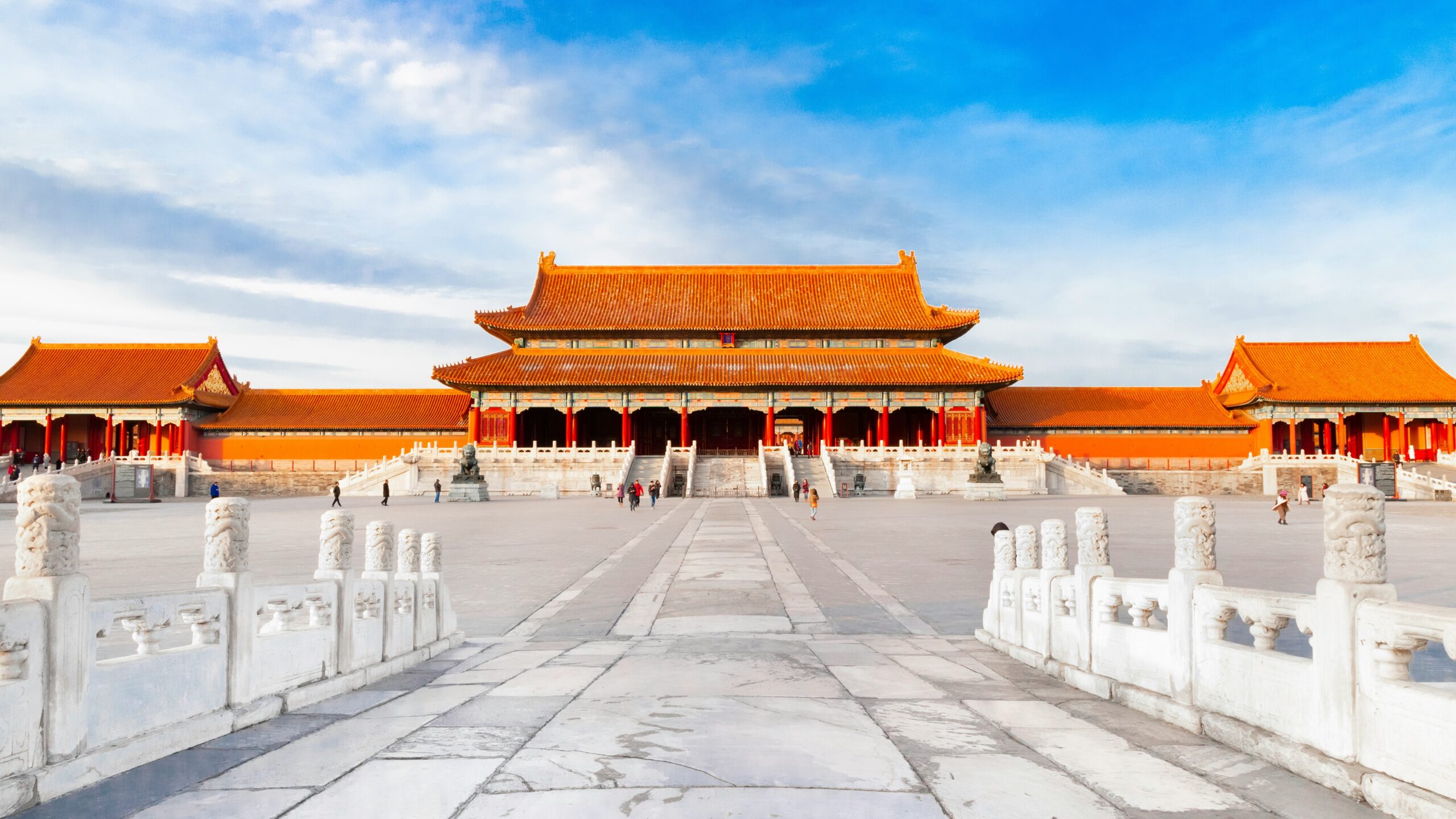
Spring brings warming days, flowering parks and strong walking conditions, though wind and quick temperature changes can occur.
Summer brings heat and frequent rain, so shade, water, storm awareness and flexible timing can matter on long outdoor days.
Autumn is one of Beijing’s strongest outdoor seasons, with cooler conditions and foliage that can peak from late September onward.
Winter is cold and dry, but clear sightlines and lower warm-season crowd pressure can suit travelers prepared for low temperatures.
Less ideal for travelers seeking a compact, low-walking city break; Beijing’s scale, security checks and headline-site crowds reward patience and planning.
Strong geometry, red walls, tiled roofs and hutong textures create rich visual options, but crowds, haze and harsh midday light can limit clean compositions.
Compared with Shanghai, Beijing offers a denser concentration of imperial monuments and political history; compared with Xi’an, it combines historic depth with a much larger contemporary capital and access to multiple Great Wall sections.
Spring and autumn are generally easier for outdoor sightseeing; summer can be hot and rainy, winter cold and dry.